 Aug 25, 2026
 Do You Need a Permit for a Pergola in New Orleans?
-
 By Admin
In most cases, yes, a pergola in New Orleans may require a building permit, e...
Read More
Talk to an Expert 504-596-8647

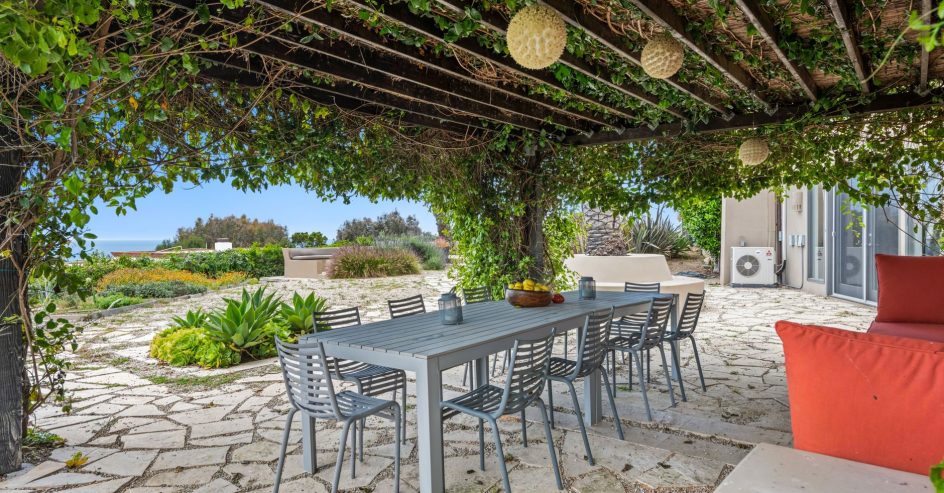
The best climbing plants for a pergola in New Orleans are evergreen or near-evergreen vines built for USDA zone 9b, including confederate jasmine, crossvine, coral honeysuckle, muscadine grape, evergreen wisteria, and bougainvillea in a protected spot. Each brings a different bloom season, growth habit, and maintenance level, so pairing two or three extends color and shade across the year.
New Orleans sits in USDA hardiness zone 9b, with humid summers, mild winters, and roughly 62 inches of rain a year. A vine that struggles with root rot or fungal leaf spot here looks ragged by August no matter how good it looked on the nursery tag. The plants that hold up share a few traits: tolerance for wet soil, resistance to leaf fungus, and a habit you can train rather than one that takes over.
At Big Easy Outdoor Design, we hear from homeowners who want a pergola that looks finished the day it’s built, then gets better as vines fill in over a season or two. The right choice depends on sun exposure, whether you want scent, color, fruit, or fast coverage, and how much pruning you want.
A pergola’s spaced rafters give vines something to grip and enough dappled light for flowering varieties, one reason we walk clients through our pergola vs. gazebo comparison before choosing a structure.
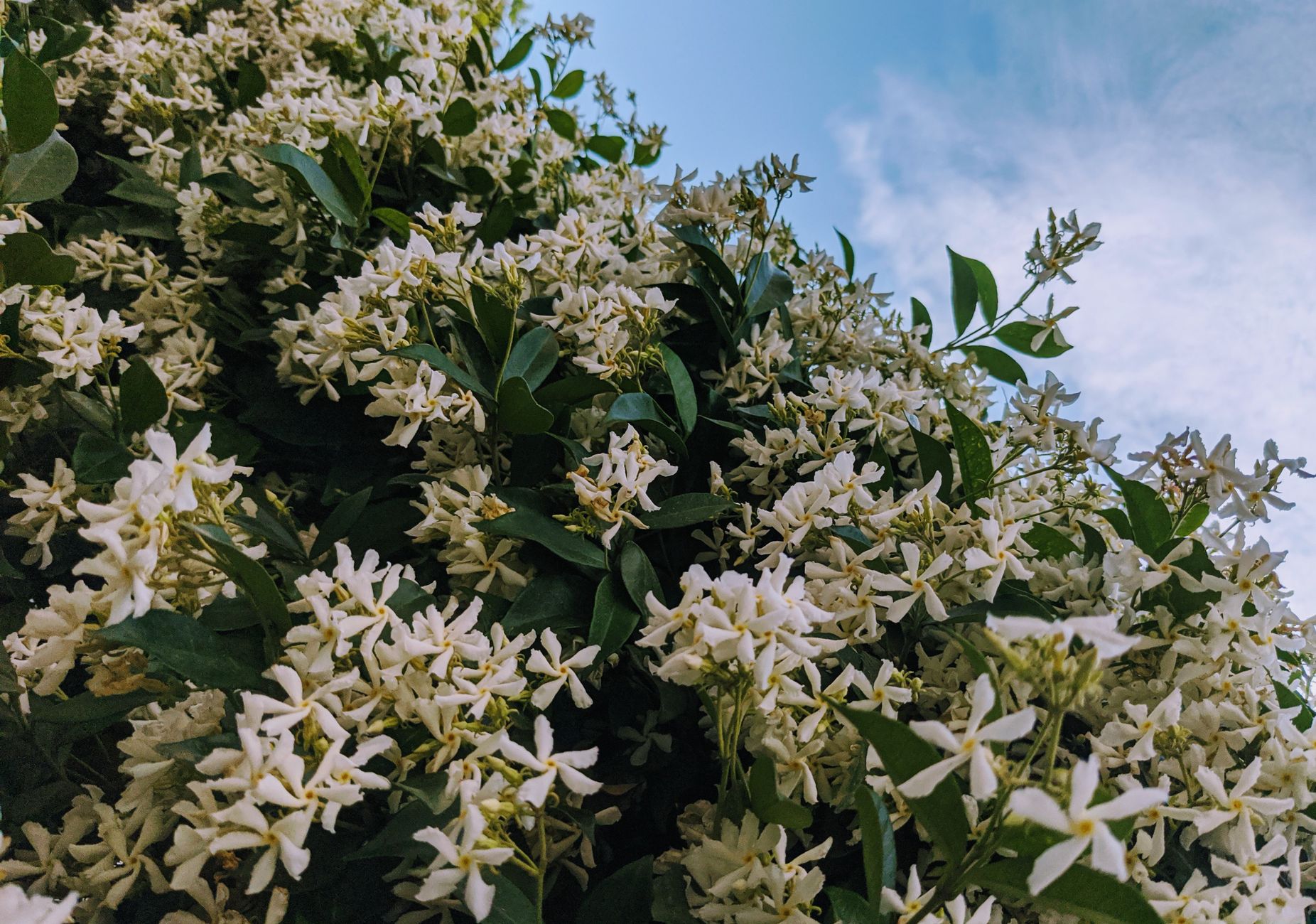
Confederate jasmine, also called star jasmine (Trachelospermum jasminoides), is a broadleaf evergreen vine hardy through zone 9b and into zone 8a. It stays evergreen most winters here, though leaves can bronze in a hard freeze before greening back up in spring.
Give it full sun to light shade and well-drained soil, and expect 12 to 24 inches of growth a year, eventually reaching 15 to 20 feet. Its small white flowers open in late spring and carry a sweet fragrance that settles into a courtyard on a still evening, worth weighing near an evening seating area, like the ones in our guide to designing a tranquil garden space.
Water deeply the first year, then let established plants ride out normal rainfall. Twining stems wrap posts on their own, though rafters usually need occasional tying until the vine catches hold.
Crossvine (Bignonia capreolata) is native to the Gulf South and rated for zones 6 through 9, putting New Orleans in its comfort range. It holds its leaves through most winters, turning bronze-purple in a cold snap rather than dropping bare.
It tolerates full sun or partial shade and adapts to moist or average soil, useful since New Orleans clay can go from dry to waterlogged after a downpour. Established vines climb fast, often 20 feet or more, with trumpet-shaped red-orange flowers in spring that draw hummingbirds.
Crossvine clings with adhesive tendrils, needing no wires or ties once started, one reason it shows up in our low-maintenance backyard ideas for New Orleans heat. Occasional thinning keeps it from building up woody growth at the base.
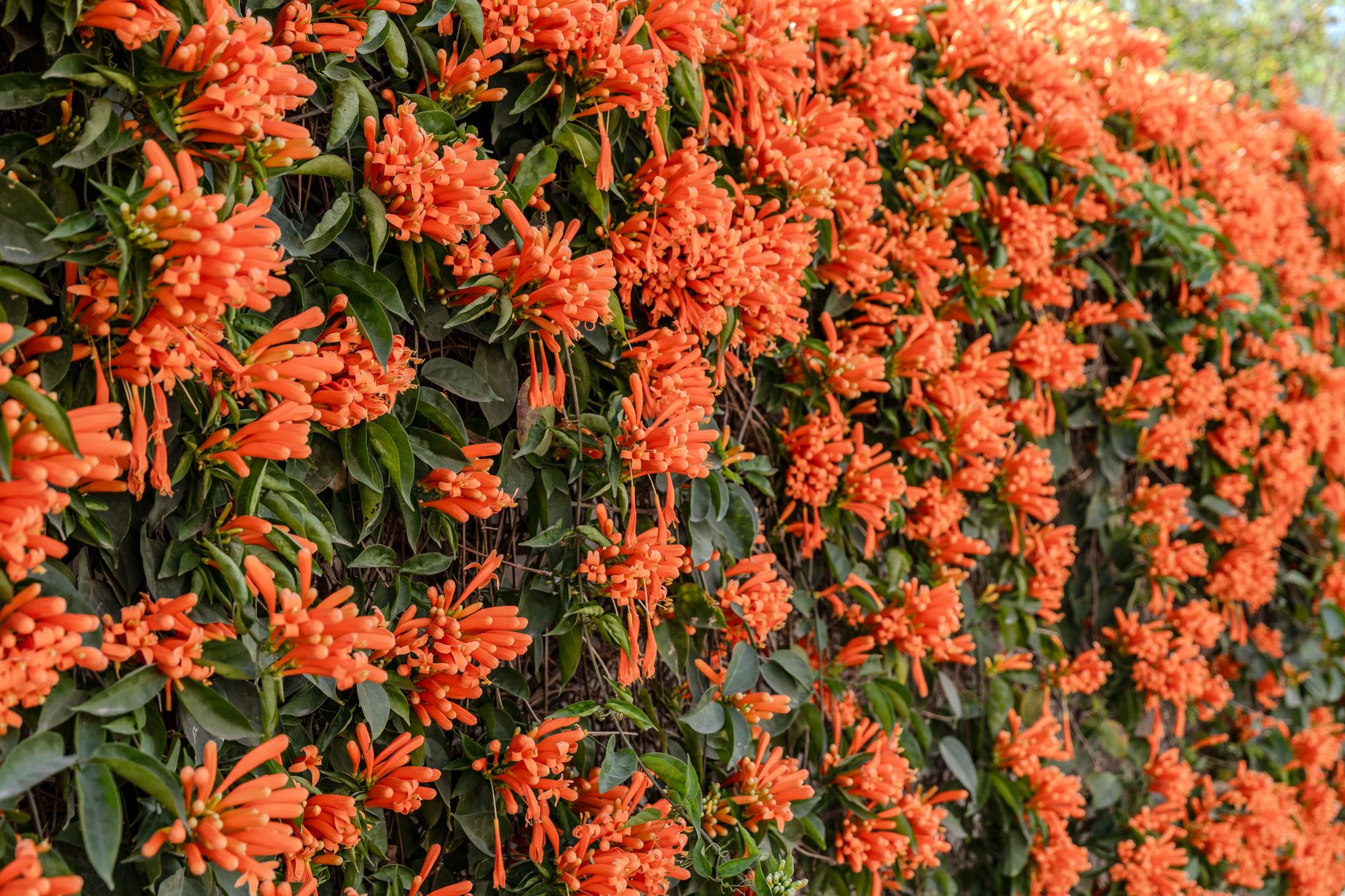
Coral honeysuckle (Lonicera sempervirens) is hardy from zone 4 through 9 and beyond, so New Orleans winters pose no real threat. Its species name means evergreen, and it stays semi-evergreen to fully evergreen in zone 8 and warmer, thinning only in an unusually cold winter.
It prefers full sun for the best bloom but tolerates part shade, and it’s less aggressive than invasive Japanese honeysuckle sold at some big-box stores. Tubular red-orange flowers appear in spring with repeat flushes into fall, feeding hummingbirds without the rampant spread of its cousin.
Because it stays restrained, coral honeysuckle works whether you land on a full-size pergola or a smaller garden arbor, a decision our pergola vs. arbor breakdown can help clarify. Light annual pruning after the first bloom flush keeps it tidy.
Muscadine grape (Vitis rotundifolia) is native to the Gulf states and thrives in zones 7 through 10, tolerating New Orleans winters without protection and handling humidity better than European wine grapes. The LSU AgCenter has long recommended muscadines for home gardeners because they resist fungal diseases common to other grapes in wet climates.
Give muscadines full sun, at least six to eight hours a day, and well-drained, slightly acidic soil. This heavy, woody, deciduous vine can reach 20 feet and keep producing fruit for two decades or more, so it needs a sturdy structure rather than a lightweight kit pergola.
If a fruiting vine is part of the plan, the pergola should be engineered for that extra weight from the start, a detail the Big Easy Outdoor Design pergola and gazebo team accounts for before construction begins. Expect to prune hard each winter to keep fruiting wood productive.
Many people picture a pergola vine as wisteria’s cascading purple blooms, but the two most commonly sold, Chinese wisteria (Wisteria sinensis) and Japanese wisteria (Wisteria floribunda), are listed as invasive in Louisiana. Both can girdle trees and strain weaker structures as they mature.
Evergreen wisteria (Millettia reticulata, sometimes sold as Callerya reticulata) is a better fit. Hardy in zones 8 through 10, it stays partly to fully evergreen in zone 9b, blooms with fragrant reddish-purple clusters in summer rather than spring, and lacks the aggressive spread of its invasive relatives. American wisteria (Wisteria frutescens), a native species, is another sound substitute for a more traditional look.
Either non-invasive option still needs sturdy attachment points and yearly shaping, but neither sends runners into the yard or squeezes the life out of a nearby oak the way Chinese and Japanese wisteria can.
Bougainvillea is rated for zones 9 through 11 and grows beautifully in New Orleans through most winters, but it’s worth knowing its limits. Zone 9b typically brings one to three brief freezes each winter, and bougainvillea suffers real damage once temperatures drop into the mid-20s or lower.
In a courtyard or against a south-facing wall where the structure blocks wind, established bougainvillea usually rebounds from a light freeze and keeps blooming through summer and fall. Full sun and lean, well-drained soil produce the best color, and the papery bracts, not true petals, run from magenta to orange.
Because it can freeze back hard some winters, many New Orleans homeowners grow bougainvillea in a large container moved close to the house rather than trained permanently into pergola rafters, especially near a patio where it can be repositioned as needed. Treat it as a bonus color plant, not the vine carrying the whole structure.
Whatever mix you choose, plan the support before the vines go in the ground. Twining vines like jasmine and wisteria need wire, twine, or a trellis panel on the posts, while self-clinging vines like crossvine attach directly to wood or masonry.
Heavier, long-lived vines such as muscadine grape and mature wisteria add real weight over time, part of why sizing matters before construction, along with any approval questions covered in our pergola permit guide for New Orleans.
Prune once a year, generally right after the main bloom flush, to control size and encourage new flowering wood. Our Big Easy Outdoor Design crew talks through vine choice before the first post goes in, since it changes how the structure gets sized. After the first two summers, most of these six plants tolerate New Orleans rainfall on their own, needing water only during extended dry spells.
Confederate jasmine and crossvine are among the fastest to fill in here, often adding a foot or more of new growth a year once established. Muscadine grape also grows quickly but needs a sturdier structure because of its weight. Full sun and consistent moisture during the first year help any of these establish faster.
Twining and woody vines can strain a lightweight or poorly built pergola as they mature and add weight, especially muscadine grape and wisteria. A pergola sized and anchored for the plant’s mature weight avoids this problem. Lighter vines like coral honeysuckle put much less strain on the structure.
Confederate jasmine and evergreen wisteria stay mostly to fully evergreen through typical New Orleans winters, with only minor leaf bronzing in a hard freeze. Crossvine and coral honeysuckle are semi-evergreen, holding most leaves except after an unusually cold snap. Bougainvillea and muscadine grape are the two most likely on this list to lose leaves seasonally.
Chinese wisteria and Japanese wisteria are both classified as invasive in Louisiana and can overwhelm trees and structures if left unmanaged. Evergreen wisteria (Millettia reticulata) and native American wisteria (Wisteria frutescens) offer similar flowering appeal without the invasive spread. Either is a better choice for a home pergola in New Orleans.
Bougainvillea generally survives New Orleans winters in a protected, sunny spot, though it can freeze back hard during a harder cold snap. Established plants in the ground near a wall or courtyard typically resprout and bloom again the following season. Many homeowners hedge their bets by growing it in a large container instead of training it permanently into the structure.
Twining vines like jasmine and wisteria need a wire, string, or trellis panel to grab onto near the base, then guidance along the posts until they reach the rafters. Self-clinging vines like crossvine attach on their own to wood or masonry. Either way, a little hand-tying in the first season keeps the vine from wandering off course.
Choosing the right vine starts with a pergola built to support it, from the footing to the rafter spacing. If you are ready to talk through plant choices, sun exposure, and structure design for your backyard, Contact Big Easy Outdoor Design or call (504) 596-8647 for a free consultation.
 By Admin
 In most cases, yes, a pergola in New Orleans may require a building permit, e...
Read More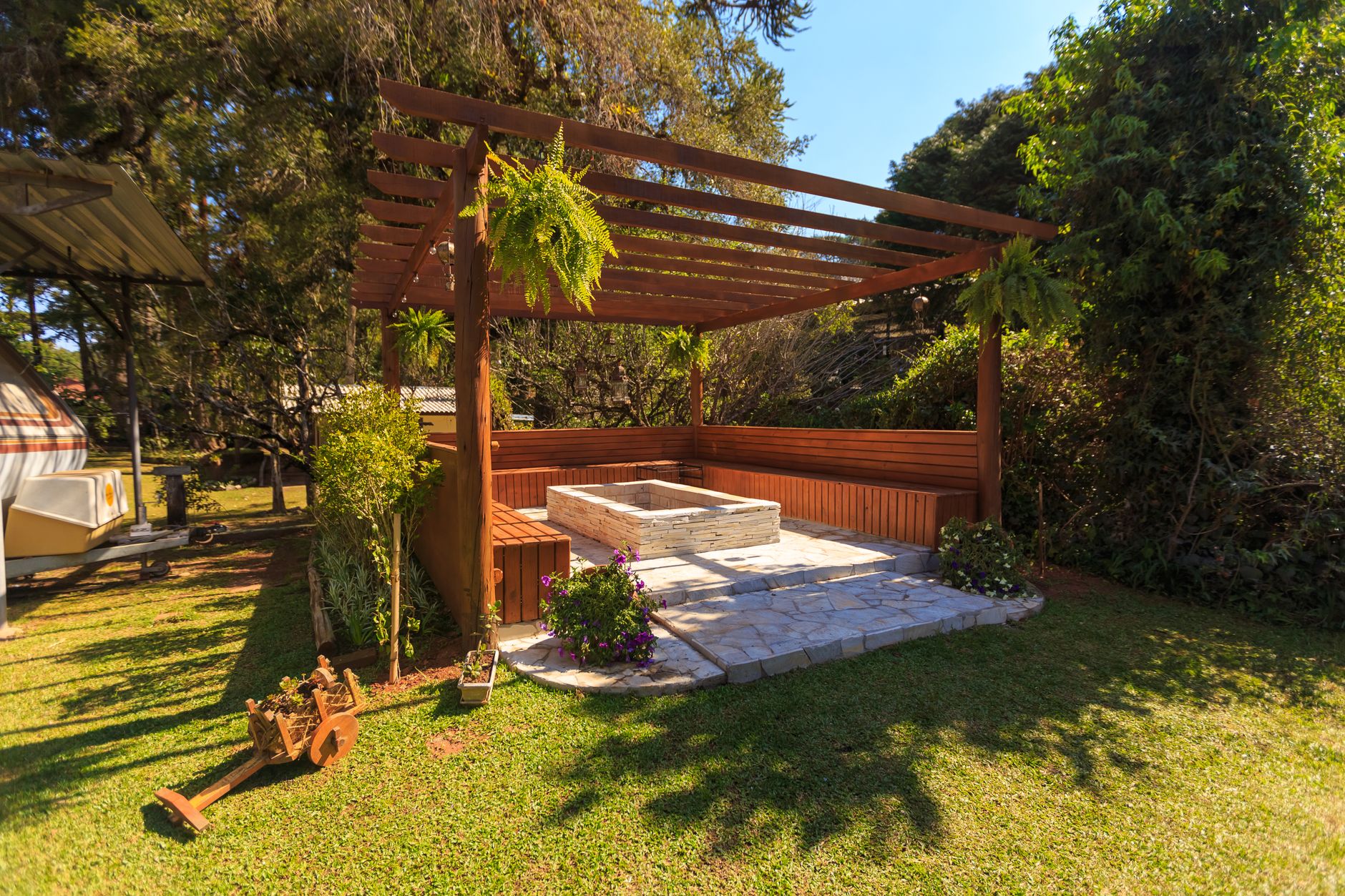
The main pergola vs arbor difference comes down to size and purpose: a pergol...
Read More
Creating a sunroom is about maximizing natural light while maintaining energy...
Read More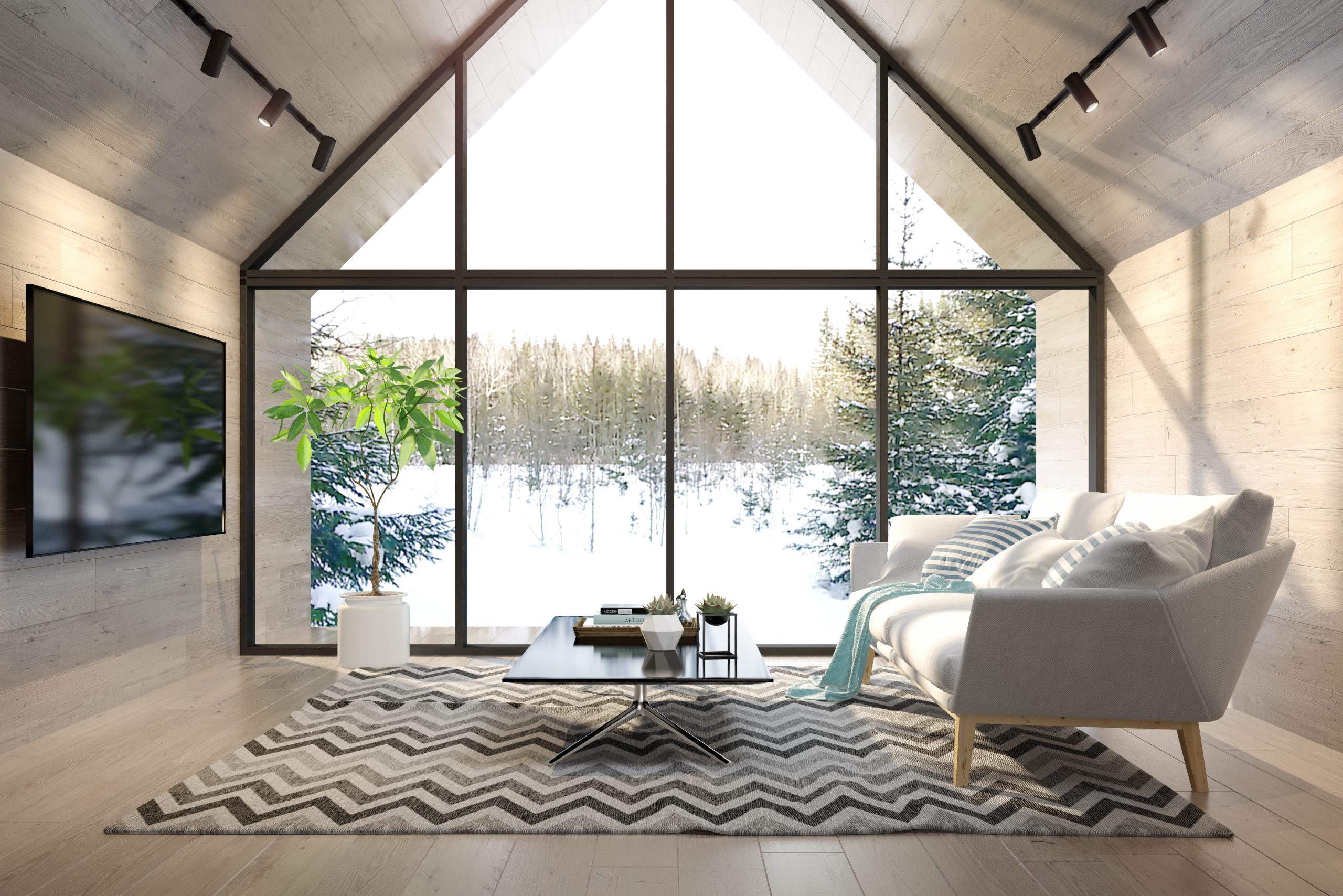
2025 sunroom design trends emphasize a smooth integration of indoor comfort w...
Read More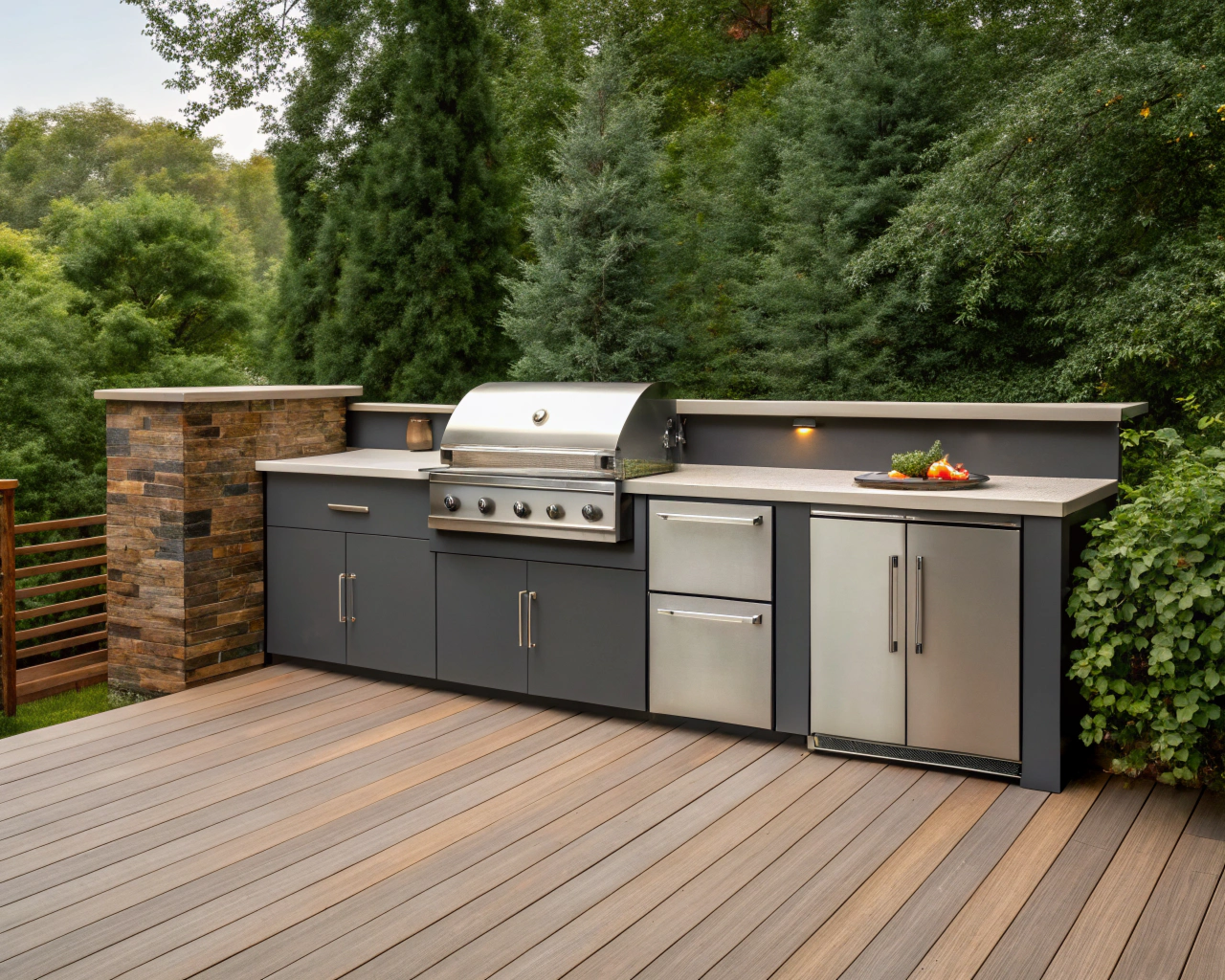
There's something about cooking outside in New Orleans that just makes sense....
Read More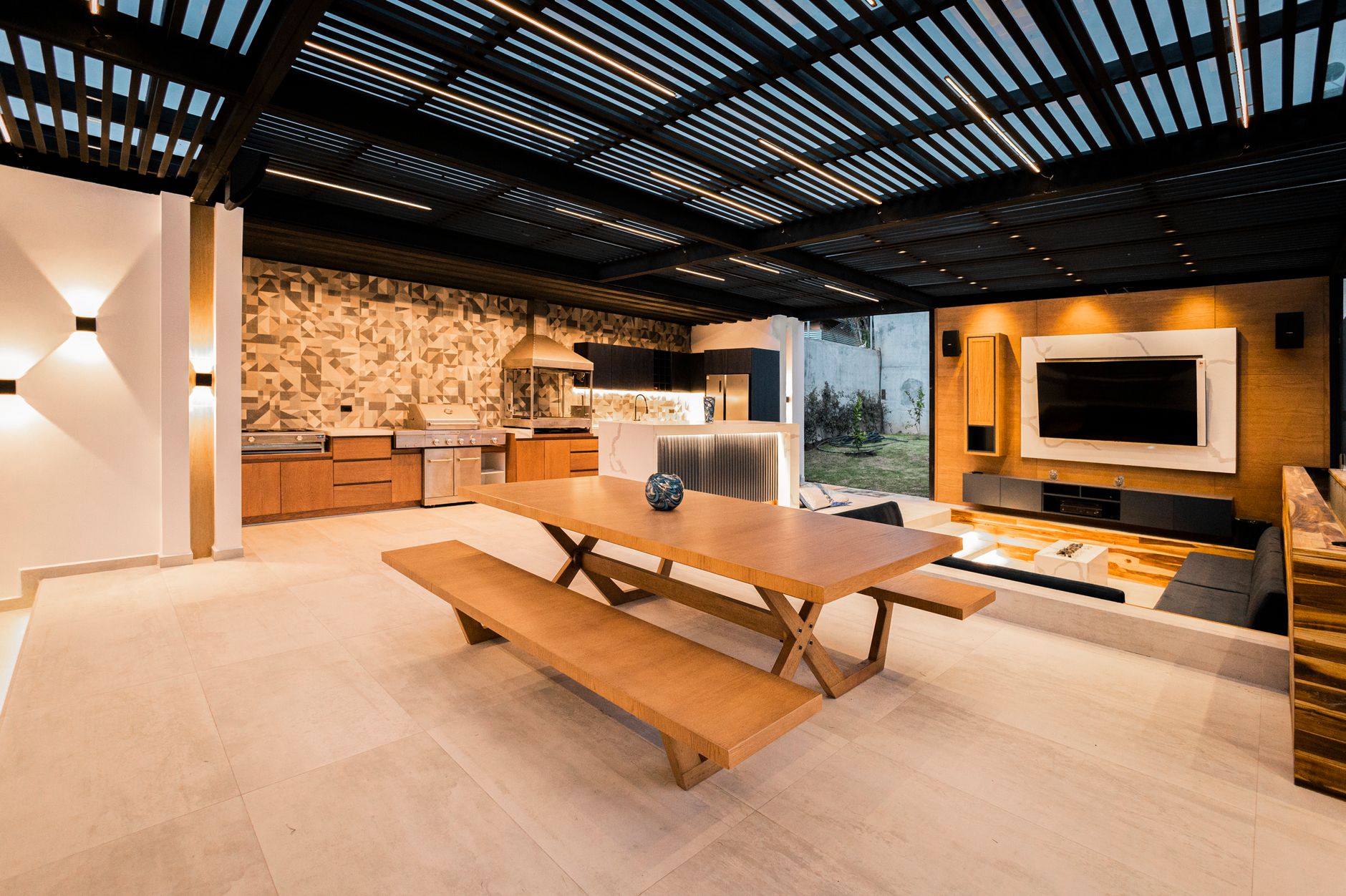
Yes, an outdoor kitchen adds real value to your home, and the features that p...
Read More