 Jul 8, 2026
 Guide to Choosing Materials for Patio Construction in New Orleans, LA
-
 By Admin
The best patio material for a New Orleans home depends on budget, structural ...
Read More
Talk to an Expert 504-596-8647

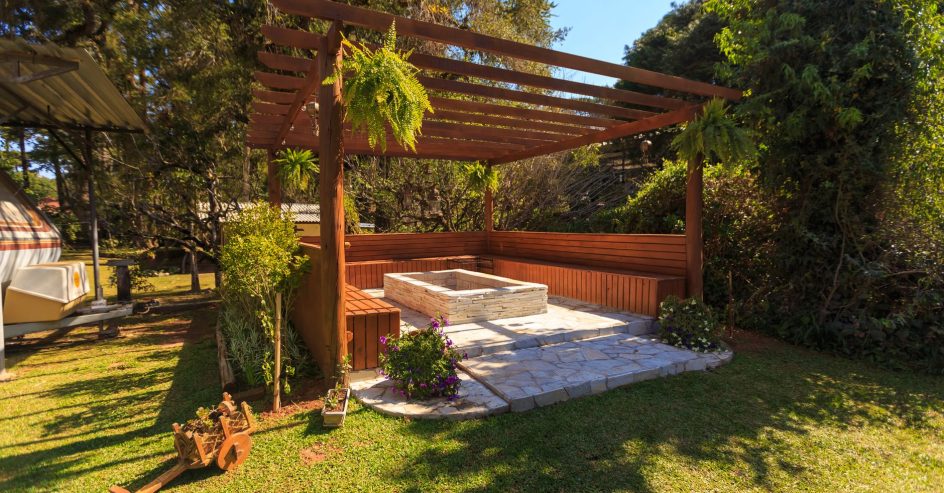
The main pergola vs arbor difference comes down to size and purpose: a pergola is a large overhead structure built to shade a patio or seating area, while an arbor is a small arched frame that marks an entrance or supports climbing plants. Choose a pergola when you want to cover a living space and an arbor when you want a garden accent or passageway.
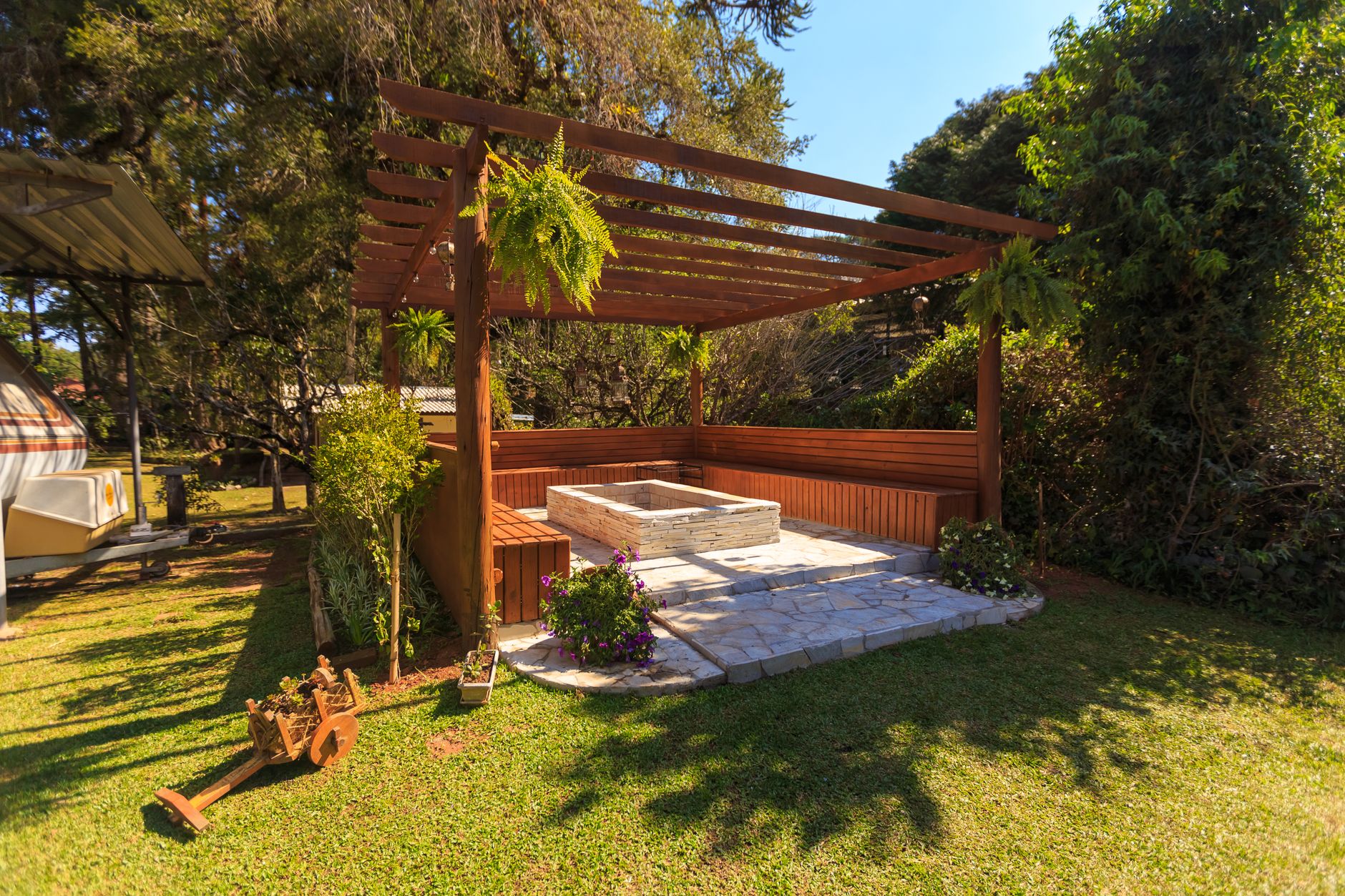
People often use the words pergola and arbor as if they mean the same thing, but they serve very different roles in your yard. A pergola is a substantial outdoor structure with vertical posts supporting an open lattice of crossbeams and rafters overhead. It is designed to define and partially shade a sizable area such as a patio, dining zone, or lounge space.
An arbor, by contrast, is a compact garden feature. It usually has two side panels connected by an arched or flat top, and it frames a walkway, gate, or garden bed. At Big Easy Outdoor Design, we help homeowners decide which structure fits their goals before a single post goes in the ground, because the right choice shapes how the whole yard feels.
Think of it this way: a pergola is a room without walls, while an arbor is a doorway without a house. Both are beautiful, but they answer different needs in your landscape.
The most obvious contrast between these two structures is footprint. A pergola typically spans anywhere from 10 by 10 feet up to 20 feet or more across, large enough to cover a full seating area, an outdoor sofa, or a dining table for six. Its posts are heavier and often set in concrete footings because they carry real weight and wind load.
An arbor is far more modest, usually only 3 to 5 feet wide and 7 to 8 feet tall, just enough for one or two people to walk through comfortably. If you are working with limited square footage, you may find our tips in clever outdoor design ideas for compact backyards especially useful when weighing arbor vs pergola size for your space.
A pergola is built for living. Homeowners use it to create shade over a patio, to anchor an outdoor kitchen, or to give an outdoor kitchen a sense of enclosure without closing it off. It becomes the gathering spot where you eat, relax, and entertain, which is why it is often the centerpiece of a backyard design.
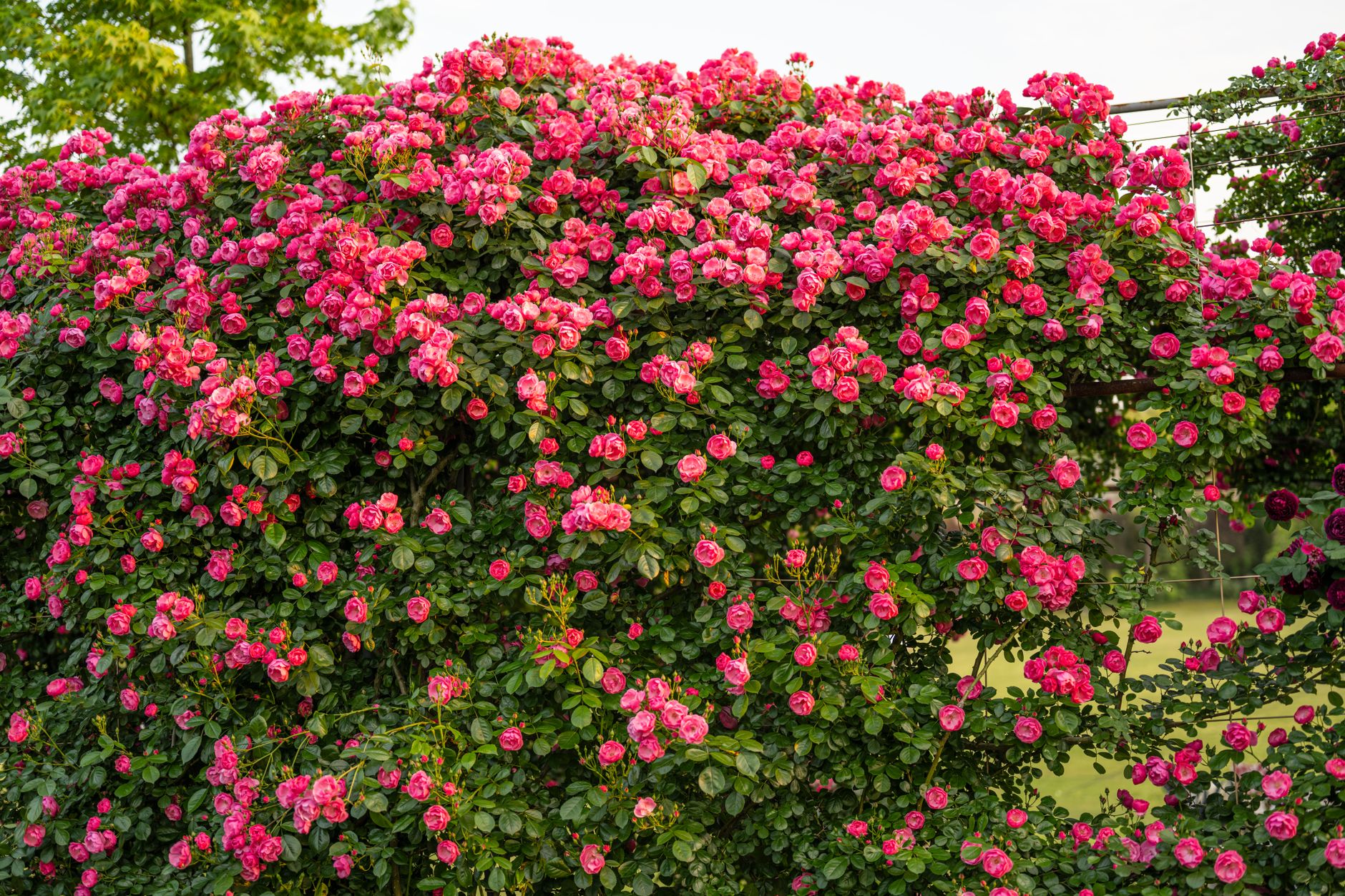
An arbor works differently. Its job is to mark a transition, the point where a lawn becomes a garden or where a path leads to a hidden seating nook. It is also a natural trellis for climbing roses, jasmine, or wisteria, letting greenery become part of the structure itself. If you enjoy planting, our guide on designing a tranquil garden space pairs well with arbor planning.
So when you ask what an arbor is used for in a garden, the answer is framing, guiding, and supporting plants rather than sheltering a whole area.
Shade is another point of separation. A pergola offers meaningful, adjustable shade because its rafters can be spaced closer together or topped with retractable canopies, shade cloth, or vines. An arbor provides very little shade on its own, since its top is small and open; any shade it casts comes almost entirely from the plants growing over it.
Attachment to the house is a common question too. A pergola can be freestanding or attached to your home as an extension of the roofline, similar in spirit to how a sunroom connects indoor and outdoor living. An arbor is almost always freestanding and placed away from the house, though a small one can be anchored beside an entry gate. Because a pergola carries more load and often ties into your structure, professional installation matters, and our team is happy to walk through the options when you contact us for a consultation.
Budget often settles the decision. An arbor is an affordable, quick addition, while a pergola is a larger investment that delivers a much bigger footprint of usable outdoor living. The table below lays out the core differences side by side so you can weigh pergola or arbor for backyard use at a glance.
| Feature | Pergola | Arbor |
|---|---|---|
| Size | Large, 10 to 20+ feet wide | Small, 3 to 5 feet wide |
| Purpose | Shade and define a living or dining area | Frame an entrance, path, or garden bed |
| Shade Level | Moderate to high, adjustable | Minimal, mostly from plants |
| Attachment to House | Freestanding or attached | Almost always freestanding |
| Cost Range | $3,000 to $10,000+ | $150 to $1,500 |
| Best Use Case | Covered patio, outdoor lounge, dining | Garden gateway, climbing plant support |
So which is better, a pergola or an arbor? Neither is universally superior; it depends on what you want your yard to do. If you dream of an outdoor room where you can host dinners under filtered light, a pergola is the answer, and it pairs naturally with a well-planned patio layout. If you simply want a charming accent and a home for climbing blooms, an arbor delivers big character for a small price. Our design team at Big Easy Outdoor Design regularly builds both, and many yards benefit from having each in its proper place. When you are ready to explore custom pergolas and gazebos, we offer a free consultation to help you match the structure to your space, your budget, and your New Orleans lifestyle. Call us at (504) 596-8647 to start planning.
A pergola is a large overhead structure with posts and crossbeams designed to shade and define a patio or seating area. An arbor is a small arched frame that marks an entrance or supports climbing plants. The core difference is scale and purpose.
Yes, an arbor is significantly smaller than a pergola. Arbors are typically 3 to 5 feet wide and just tall enough to walk through, while pergolas can span 10 to 20 feet or more to cover a full living area.
An arbor is almost always freestanding and placed within a garden or along a path. A small arbor can be anchored beside an entry gate or wall, but it is not designed to attach to a house the way a pergola can.
An arbor is used to frame an entrance, mark the transition between garden areas, and support climbing plants like roses, jasmine, or wisteria. It acts as both a decorative accent and a living trellis.
Neither is universally better; it depends on your goal. Choose a pergola if you want to shade and define an outdoor living space, and choose an arbor if you want a garden accent or a support for climbing plants.
A pergola typically ranges from $3,000 to $10,000 or more depending on size and materials, while an arbor usually costs between $150 and $1,500. The pergola costs more because it covers a much larger area and carries greater structural load.
 By Admin
 The best patio material for a New Orleans home depends on budget, structural ...
Read More
A sunroom expands living space while bringing in natural light, making it a c...
Read More
Composite decking usually wins for low maintenance and long-term value in hot...
Read More
Creating a sunroom is about maximizing natural light while maintaining energy...
Read More
As 2024 nears, outdoor spaces are getting a major makeover, ditching old styl...
Read More
Creating a beautiful patio layout requires thoughtful design and planning. A ...
Read More