 Aug 13, 2026
 Best Materials for Outdoor Kitchens in Louisiana’s Climate in New Orleans, LA
-
 By Admin
Building an outdoor kitchen in New Orleans isn't the same as building one in ...
Read More
Talk to an Expert 504-596-8647

A deck typically needs repair or full replacement once it shows soft or spongy boards, a separating ledger board, wobbly railings, rusted fasteners, termite damage, cupped or splintering boards, or footings that have sunk out of level. In New Orleans’ humid, termite-heavy climate these signs tend to show up sooner, and a professional inspection is the safest way to know which repairs are urgent.
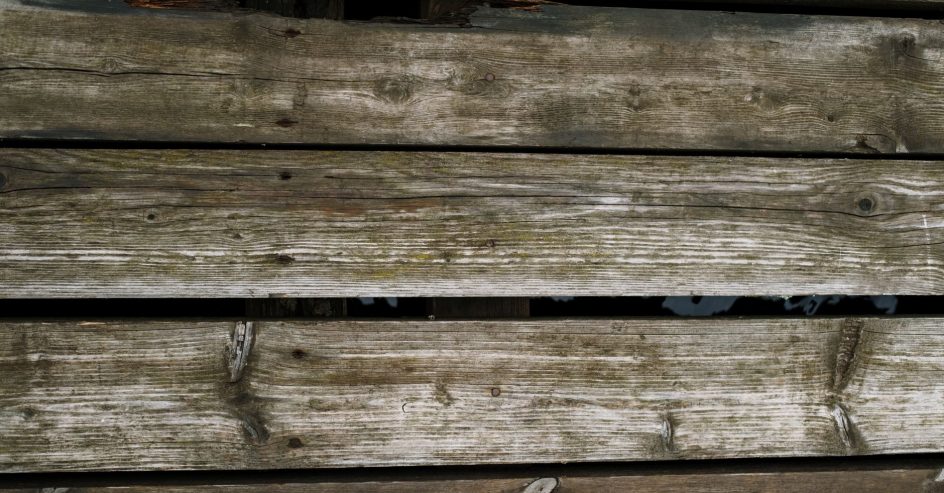
Press your foot into a few different spots on your deck boards, especially near planters, low corners, or anywhere leaves tend to collect. If a board flexes, feels spongy, or gives slightly underfoot, rot has likely already set into the wood fibers. A screwdriver pressed into the surface tells the rest of the story: sound wood resists, while rotted wood crumbles or lets the tool sink in easily.
New Orleans’ hot, humid subtropical climate and roughly 62 inches of annual rainfall keep aging wood damp longer than it dries, which speeds up decay. A single soft board can sometimes be swapped out on its own, but widespread softness across the joists underneath usually points to a bigger problem worth a full evaluation from a company like Big Easy Outdoor Design. Rot rarely stays contained to the board you can see, and once moisture reaches a joist or post, the damage spreads along the grain well past the visible stain.
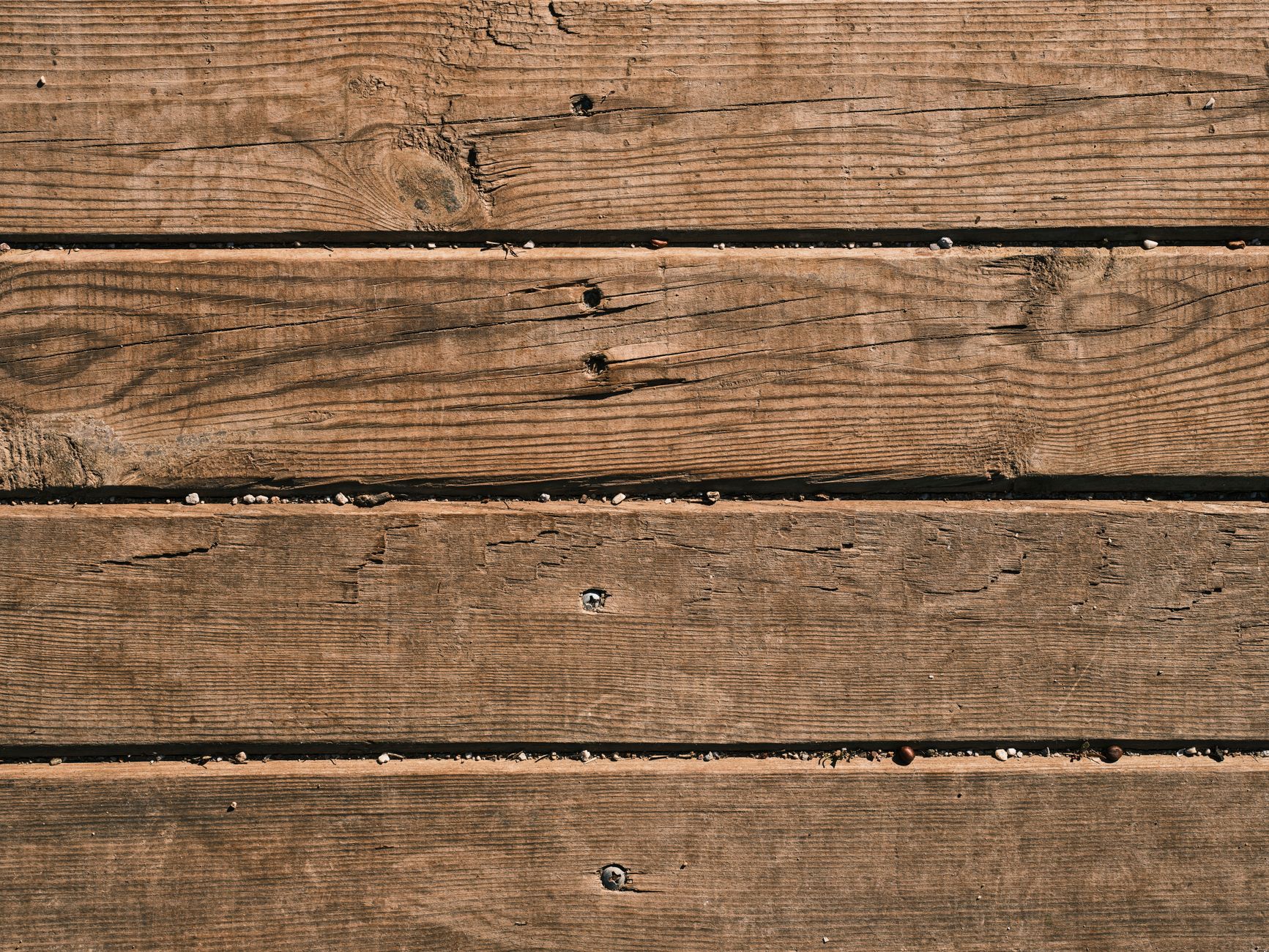
The ledger board is the horizontal beam that bolts your deck directly to the house, and it carries more structural weight than almost any other part of the frame. Look for a gap between the ledger and your home’s siding, water staining underneath it, or fasteners that have visibly backed out. Even a gap wide enough to slide a credit card into can mean the connection is failing.
Ledger problems often trace back to missing flashing, the metal strip that should sit above the board to shed water away from the house framing. Without it, rain works behind the ledger year after year, quietly rotting both the deck framing and the house’s rim joist. Homeowners who follow a seasonal routine, like the one in our guide to maintaining a wood deck in New Orleans, tend to catch ledger separation before it becomes dangerous. A failing ledger connection is one of the most common reasons decks pull away from the house entirely.
Grab the top rail and push firmly side to side. A railing that shifts, wobbles, or feels loose at the posts is a safety issue, not a minor annoyance, especially on a raised deck where a fall could cause real injury.
Loose railings usually mean the post connections have loosened, the wood around the anchor bolts has softened, or the original hardware was undersized for the load. Sometimes a railing can be re-secured with new structural screws and blocking. Other times the posts need to come out and be reset, which is the kind of structural work best handled by a team experienced in outdoor home deck construction and repair. Railings that flex noticeably or show daylight where a post meets the frame should be addressed before anyone leans on them.
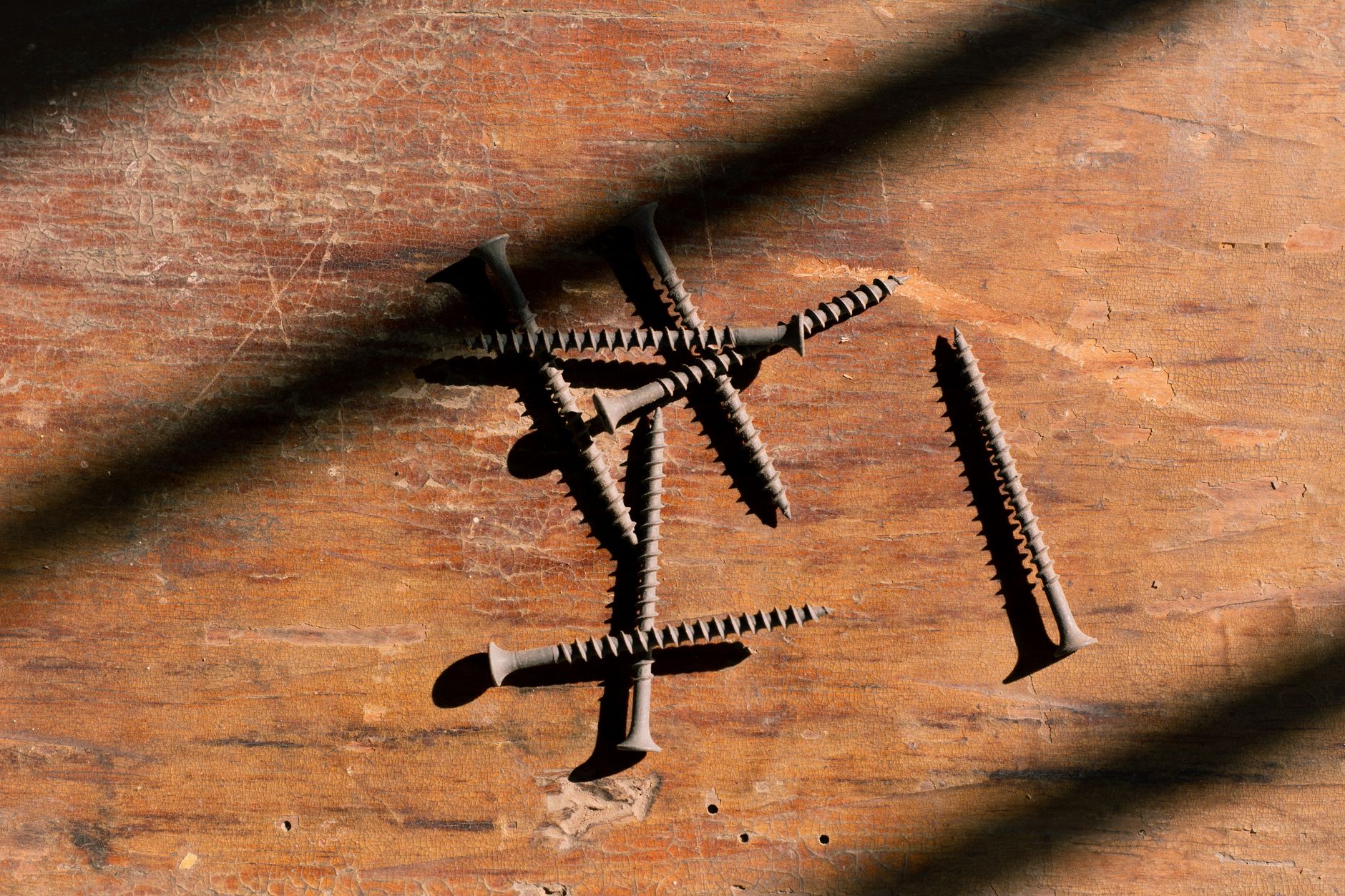
Walk the deck and look closely at the screws, nails, and structural connectors. Rust streaks bleeding down a board, snapped fastener heads, or visibly corroded hardware all signal that the metal holding your deck together is losing strength.
New Orleans’ humidity accelerates corrosion on standard fasteners faster than in drier climates, particularly on older decks built before galvanized or stainless hardware became standard practice. Homeowners comparing materials for a rebuild often look at how wood and manufactured decking hold up over time in our composite deck versus wood deck comparison. A handful of rusted screws can be replaced individually, but widespread corrosion across the joist hangers means the whole fastening system needs a closer look.
Tap along suspect boards and listen for a hollow sound, and look for small mud tubes running up posts or along the foundation near the deck. Both are classic signs of termite activity, and New Orleans has more of it than almost anywhere else in the country.
The city has the most severe Formosan termite infestation in the continental United States. Formosan termites arrived after World War II and were established in New Orleans by 1966, building colonies far larger and more aggressive than the native termites they displaced. Swarms typically peak in spring, often around Mother’s Day. Termite-damaged wood often looks fine on the surface while being hollowed out underneath, which is why soft spots paired with mud tubes deserve a professional inspection. Materials that resist this kind of damage are covered in our breakdown of the best decking materials for humid climates.
Cupping happens when a board’s edges curl upward while the center stays lower, usually from repeated wetting and drying cycles. Warping shows up as boards that no longer lie flat against the joists, and splintering is often the first visible sign that a board’s surface fibers are breaking down.
A few cupped or splintering boards scattered across an otherwise sound deck are a normal repair. Splintering across most of the surface usually means the boards have reached the end of their usable life, particularly if they were installed more than a decade ago without sealing. Homeowners rebuilding a worn deck often ask about materials that shrug off New Orleans’ wet-dry cycles with less upkeep, a topic covered in our guide to a low-maintenance backyard in New Orleans.
Stand back and look at your deck’s overall level. A deck that has started to lean, sag toward one corner, or pull away from level often has a problem at the footings, the concrete or post supports holding the structure up from below.
Much of New Orleans sits on soft, moisture-rich soil with a naturally high water table, and ground movement here is a documented, ongoing issue rather than a rare occurrence. Footings that were not set deep enough, or posts rotted at the base where they meet the soil, can shift over time and throw the frame out of level. This is one of the few problems on this list that almost never has a simple fix, and it is worth discussing whether a raised deck still fits that part of the yard or whether a patio at grade level would solve the underlying issue for good.
Not every sign on this list means a full teardown. A single rotted board, a handful of rusted screws, or one loose railing post are typically straightforward repairs a qualified contractor can handle in a day or two.
Replacement becomes the sensible choice once problems reach the structural frame: the ledger board, the main posts, or the footings. Repairing surface symptoms while the frame keeps failing usually means paying for the same repair again within a year or two. Many New Orleans homeowners report that once repair costs approach what a rebuild would run, replacing the deck outright makes more sense, especially past the 15 to 20 year mark. Some also weigh whether the footprint would serve them better as a different outdoor space, and our breakdown of patio cost in New Orleans is a useful comparison point. Big Easy Outdoor Design can walk an existing deck in person and lay out honest options instead of one answer for every situation.
A deck is generally unsafe if it wobbles noticeably, has soft or spongy boards, or shows a gap where the ledger board meets the house. If you notice any of these signs, avoid heavy use until a contractor inspects the frame, footings, and connections underneath.
Most wood decks in New Orleans last 15 to 20 years with regular sealing and maintenance, though the humid climate and termite pressure can shorten that timeline without upkeep. Decks built with rot resistant materials or maintained closely tend to last toward the higher end of that range.
Yes, issues like a few rotted boards, loose railings, or rusted screws can usually be repaired without rebuilding the whole deck. Replacement becomes the better option once the problem reaches structural elements like the ledger board, main posts, or footings.
Yes, New Orleans has the most severe Formosan termite infestation in the continental United States, with the species established in the city since 1966. These termites build large, aggressive colonies and can hollow out deck framing and posts from the inside before any damage shows on the surface.
A failing ledger board often shows a visible gap between the beam and the house siding, water staining, or fasteners that have pulled loose. Because the ledger carries much of the deck’s structural load, any separation should be inspected and repaired promptly.
Footings usually fail when they were not set deep enough, when the post base has rotted where it meets the soil, or when ground movement shifts the support over time. New Orleans’ soft, moisture-rich soil makes this more common than in areas with firmer ground.
A trained eye can spot the difference between a quick fix and a structural problem in minutes. Schedule a free consultation and get a straight answer about what your deck actually needs. Contact Big Easy Outdoor Design or call (504) 596-8647.
 By Admin
 Building an outdoor kitchen in New Orleans isn't the same as building one in ...
Read More
The right patio design for a New Orleans home comes down to six decisions: ra...
Read More
Small backyards in New Orleans can be transformed into functional, stylish ou...
Read More
2025 sunroom design trends emphasize a smooth integration of indoor comfort w...
Read More
The best outdoor kitchen layout depends on your yard's shape, how many people...
Read More
As 2024 nears, outdoor spaces are getting a major makeover, ditching old styl...
Read More