
Creating a beautiful patio layout requires thoughtful design and planning. A well-designed patio not only enhances the aesthetic appeal of a home but also serves various functional purposes such as entertainment, relaxation, or dining.
Whether it’s a simple concrete slab or an elaborate outdoor living space, the key to a successful patio lies in the details. It’s essential to consider the intended purpose of the patio and the existing landscape to achieve a harmonious balance between form and function.
Careful preparation is the foundation of any patio project. Homeowners need to select appropriate materials, identify the most suitable location, and determine the size of the patio to meet their needs.
From choosing low-voltage lighting and planters to considering the inclusion of fountains or fireplaces, each element plays a crucial role in the overall design. The process of adding a patio can be both rewarding and transformative, offering a special retreat to enjoy one’s outdoor space.
Attention to detail is paramount in bringing a patio design to life. Whether laying out paving slabs or creating a comfortable seating area, each step should be executed with care.
Providing guidance on the types of materials that harmonize with the natural surroundings and tips on creating a lasting and durable outdoor space, this article is an invaluable resource for those embarking on the patio planning journey.
With an eye for design and a commitment to quality, any do-it-yourself enthusiast can enhance their backyard with a patio that’s both functional and stylish.
#1. Assessing Your Outdoor Space
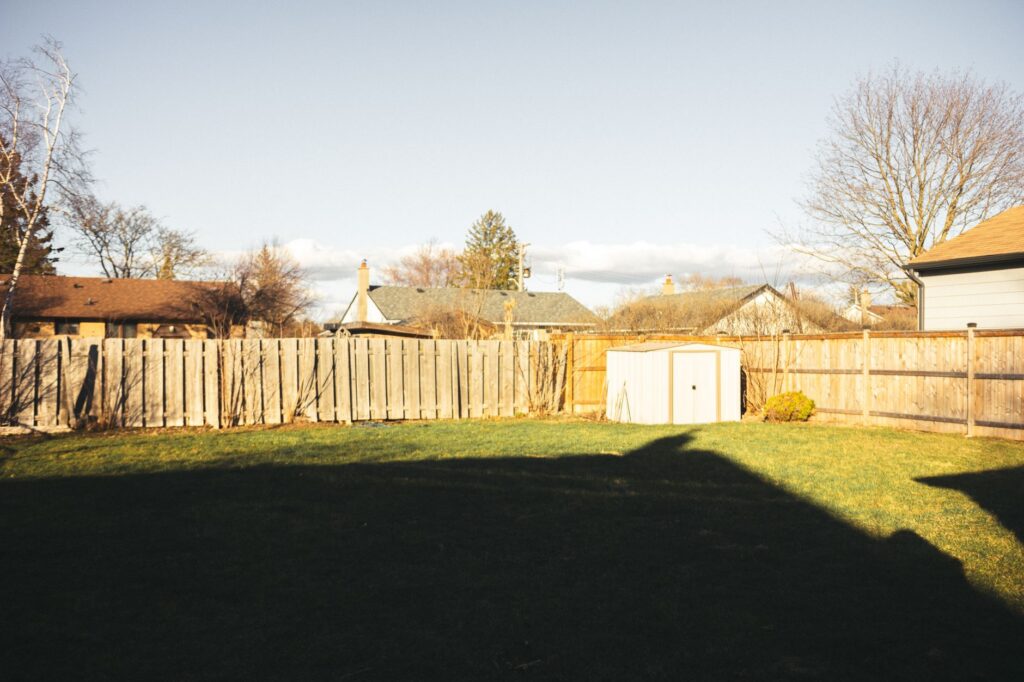
Before diving into the creation of a patio, assessing the space where it will go is essential. Considerations such as the size of your lawn, the proximity to your house, and legal restrictions are all fundamental to planning a functional outdoor living space.
Evaluating Size and Location
The size of your backyard and its shape are pivotal in determining the layout of your future patio. Measure the area to determine how much space you have to work with, keeping in mind that you’ll want to balance patio space with greenery for aesthetic appeal.
Location is equally important; proximity to the house often dictates convenience for activities such as outdoor dining, while a patio further away might provide a private retreat with a more pleasant view.
Understanding Zoning and Permits
Before finalizing your patio’s design, it’s crucial to understand zoning laws and acquire the necessary permits from your local government. Zoning regulations might dictate the placement, size, and type of structures permitted on your property.
Skipping this step could lead to fines or being required to alter or remove your patio after it’s built. Ensure compliance to avoid any issues that could disrupt your enjoyment of your outdoor living space.
#2. Conceptualizing the Design
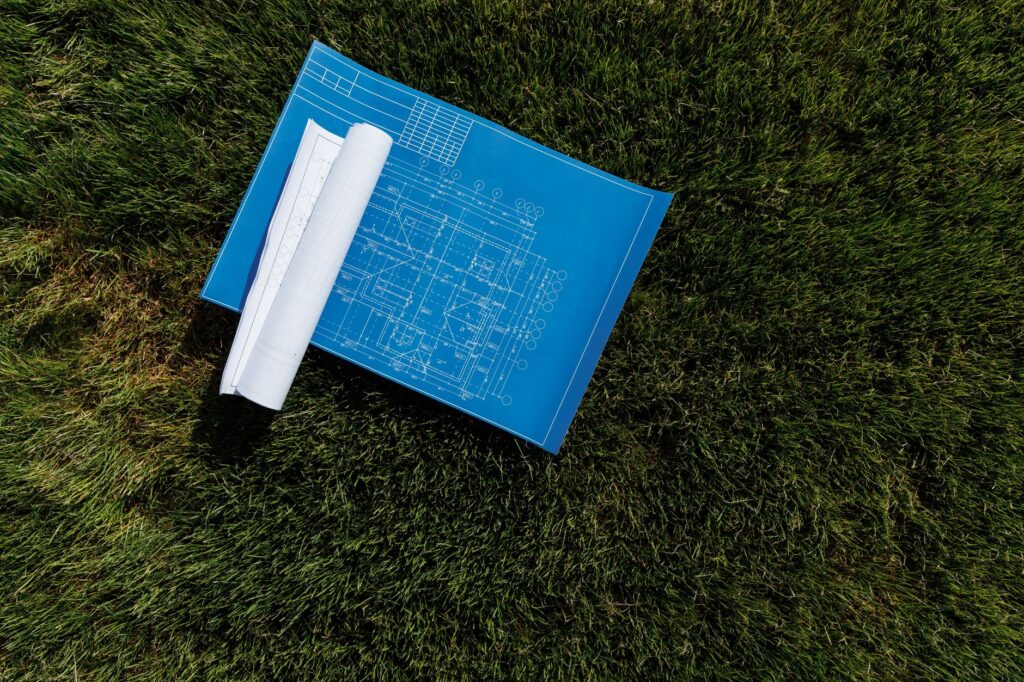
Creating a simple patio layout begins with conceptualizing its design, focusing on the selection of a coherent style, integration with the natural surroundings, and the desired functionality for outdoor living and entertaining. This early planning stage lays the groundwork for a cohesive and inviting outdoor space.
Choosing a Style
When selecting a style for the patio, individuals should consider the existing architecture of their home and their personal aesthetic preferences. Whether it is a traditional, modern, or rustic patio design, the style should reflect the overall design theme of the property for visual harmony.
Additionally, popular patterns such as herringbone or basketweave can be incorporated into the patio design to add visual interest and character.
Incorporating Nature and Landscape
A successful patio design respects and enhances the existing landscape and nature. Choosing the right location within a garden can provide a scenic backdrop and harmonious link to the outdoors.
For example, using native plants and materials can help blend the patio with its surroundings, while strategic placement of trees and shrubs can offer privacy and shade. The landscape should complement the style without overwhelming the space.
Planning for Functionality
The functionality of the patio should cater to the intended use, whether for quiet relaxation or for entertaining guests. It’s essential to plan for the size and arrangement of furniture, ensuring comfortable outdoor living spaces. Additionally, elements such as lighting, heating options, and weather protection are practical considerations that enhance the overall utility of the space. Proper planning allows for a layout that is both functional and accommodating for various activities.
#3. Preparing the Base and Layout

Before laying the decorative stones or pavers for your new patio, it’s imperative to carefully prepare the base and layout. These foundational tasks are critical as they ensure stability, prevent weed growth, and aid in proper drainage.
Excavation and Measuring
The initial step in constructing a patio is to excavate the chosen area. Begin by measuring the space to be transformed into your patio using strings and stakes to mark out the precise boundaries.
Excavation involves removing the top layer of grass and soil to achieve a depth proportional to the height of your pavers plus the base material—typically around 6 to 8 inches. For an efficient process use a shovel and wheelbarrow for smaller areas or consider renting machinery for larger spaces.
Laying the Foundation
After the site is excavated, next is laying the foundation which involves adding layers of base materials. Begin by spreading 4 to 6 inches of crushed gravel and using a plate compactor to create a firm base. Over the gravel, lay approximately 1 inch of coarse sand, which will help to achieve a smooth surface.
Be sure both layers are level; this is crucial for the longevity and appearance of the patio. The sand also allows for minor adjustments while laying the pavers. Remember, meticulous preparation here will result in a lasting and visually appealing patio.
#4. Selecting Materials and Textures
Selecting the right materials and textures for your patio is crucial for its appearance and longevity. The choices vary widely and can have a significant impact on both aesthetics and functionality.
Understanding Different Patio Materials
When it comes to patio materials, one must consider both the look and the practicality they offer. Brick provides a traditional aesthetic, while pavers and tiles offer more variety in patterns and colors.
Flagstone and natural stone create a more rustic and natural look but can vary in texture and size, making them more challenging to install. Concrete pavers are a durable and cost-effective choice, often used for their uniformity and ease of maintenance.
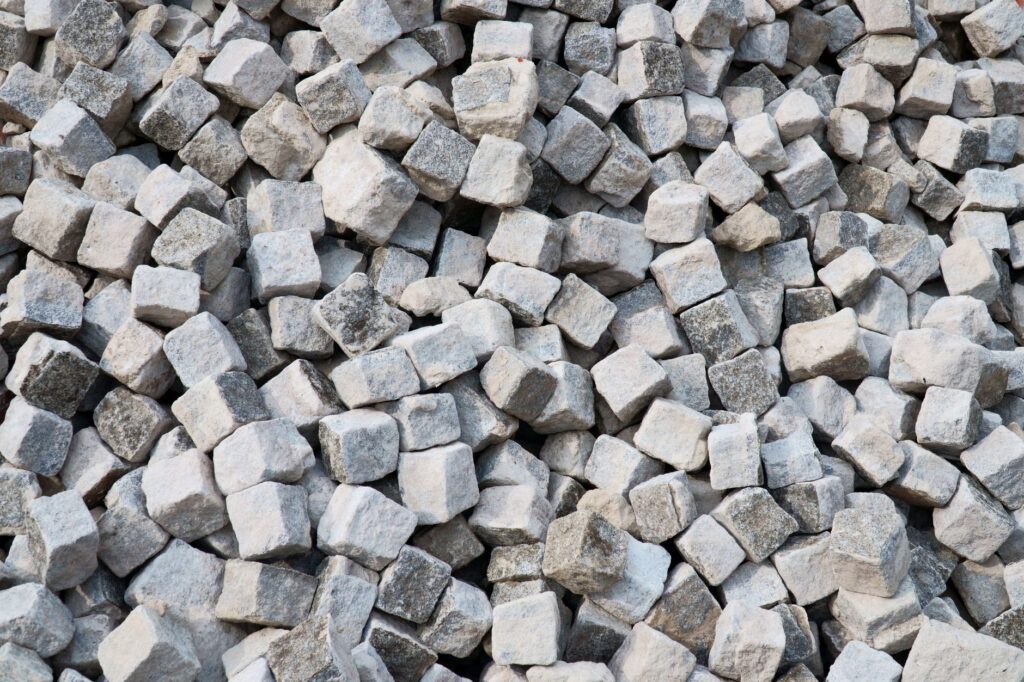
- Brick: Classic and timeless, available in various hues
- Pavers: Versatile in shape, size, and color
- Tile: Offers intricate designs, well-suited for a unique patio
- Flagstone: Natural appearance with irregular shapes
- Natural Stone: Durable, but variable in texture
- Concrete Pavers: Uniform and easy to work with
Materials like brick and concrete pavers are good options for those who prefer less upkeep, while natural stone and flagstone will require more maintenance to preserve their integrity.
Considering Durability and Maintenance
Every patio material brings its own set of maintenance needs, affecting how it will fare over time under the strain of the elements and foot traffic.
Natural stone, while robust, may need sealing to prevent stains and water damage. Materials such as concrete pavers are known for their longevity and minimal maintenance; however, color may fade over time and require resealing.
- Natural Stone: High durability, seal to protect from stains
- Concrete Pavers: Low maintenance; may need resealing for color longevity
- Brick: Stands up well to the elements with proper installation
- Tiles: Vulnerable to cracking in freezing temperatures
- Pavers: Easier to replace individual pieces if damaged
Considering the textures of patio materials is also important as it contributes to the visual interest and tactile experience. Materials like flagstone offer a naturally slip-resistant surface due to their rough texture, while pavers can provide a smoother feel underfoot. Balancing the desired look with these practical considerations will ensure a pleasing and lasting patio design.
#4. Detailing the Patio
When it comes to detailing a patio, selecting the right colors and patterns plays a pivotal role in the overall appearance, while adding edging and borders can define and accentuate the space.
Choosing Colors and Patterns
The choice of colors for a patio should complement the exterior of the home and landscaping. Homeowners often choose natural tones for a harmonious feel or opt for bold color contrasts to make a statement. When selecting pavers, one should consider not only color but also pattern.
Brick can offer a traditional look with its classic red hue and herringbone patterns, while concrete pavers provide a range of styles from the simplicity of a stacked bond to the intricate designs of a basketweave or fan pattern.
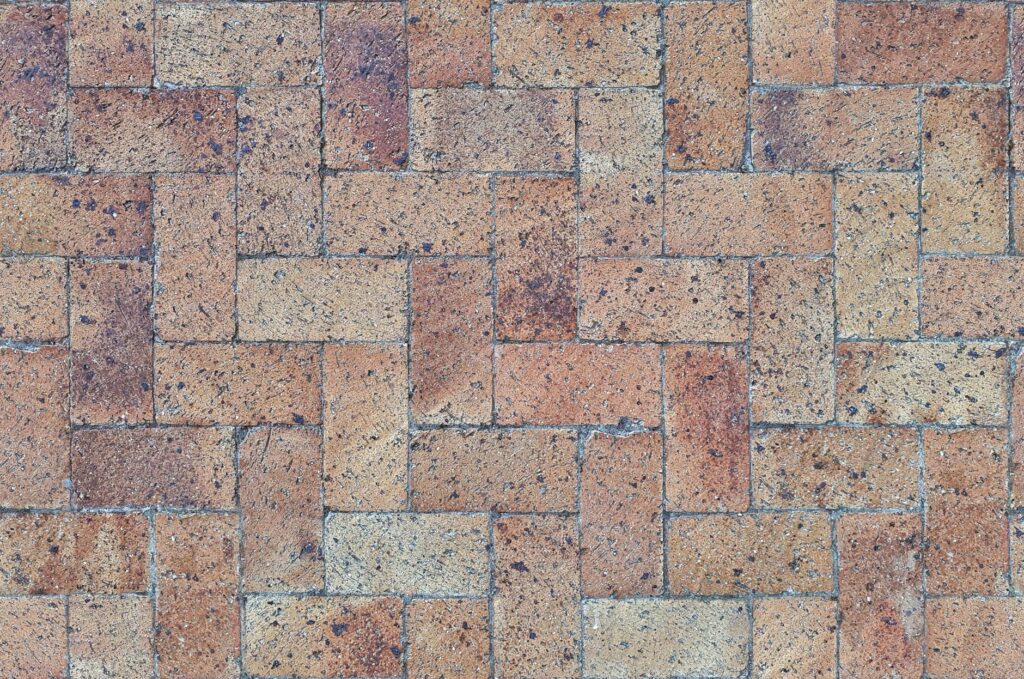
- Color Inspiration:
- Natural tones (beige, sand, grey)
- Bold contrasts (terra cotta, charcoal)
- Pattern Ideas:
- Herringbone
- Basketweave
- Stacked bond
- Fan
Adding Edging and Borders
Edging serves both a practical and aesthetic function. It can keep pavers in place and prevent the spread of gravel or sand. Borders offer an opportunity to introduce an additional color or style, highlighting the patio and framing it distinctly from the surrounding landscape.
Materials like stone or brick can match or contrast the primary patio pavers, depending on the desired effect.
- Edging Materials:
- Stone
- Brick
- Plastic
- Metal
- Style Considerations:
- Matching or contrasting color
- Complementary patterns
- Formal or informal styles
#5. Furnishing and Decorating
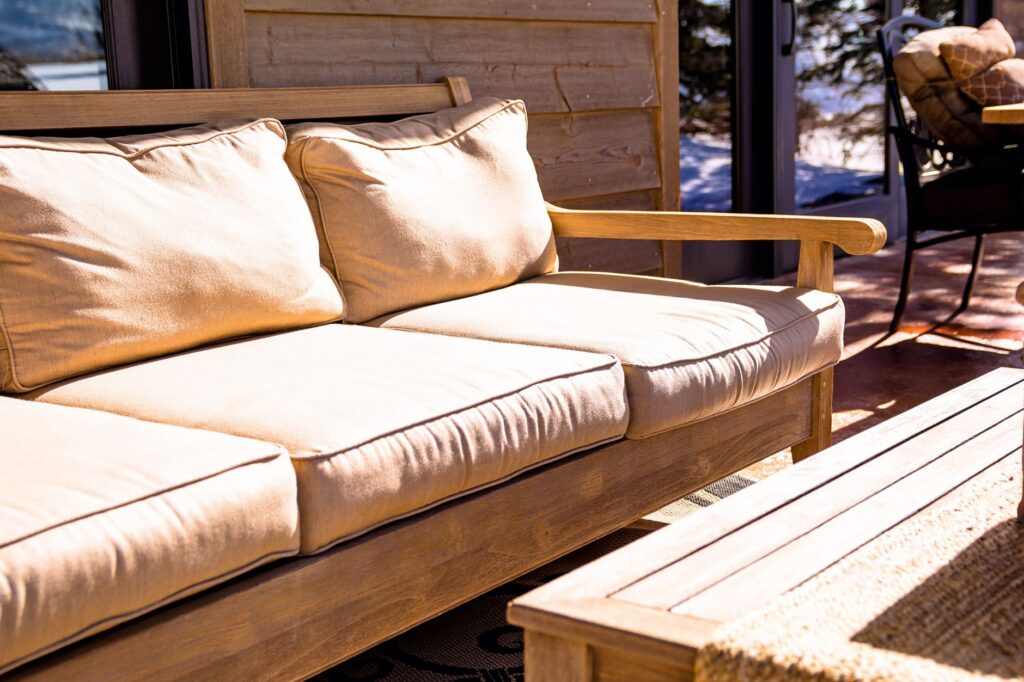
Creating the perfect patio ambiance involves selecting the right furniture and lighting elements to match your lifestyle needs. Whether it’s for outdoor dining or a cozy reading nook, the choices you make will define the functionality and mood of your outdoor space.
Selecting Patio Furniture
When choosing patio furniture, prioritize durability and comfort. Tables and chairs designed for outdoor use often feature weather-resistant materials like teak, aluminum, and all-weather wicker.
For a dining area, ensure the tables and chairs are proportionate to your space and offer enough seating for your typical number of guests. For lounging, consider sofas or chairs with outdoor cushions that provide comfortable seating options for relaxation.
- Dining Sets: Ideal for outdoor meals and gatherings.
- Seating Options: Sofas, sectional sets, and benches that cater to relaxation and conversation.
- Accent Pieces: Side tables, ottomans, and chaise lounges that add functionality and comfort.
Incorporating Lighting and Shade
Lighting is essential for extending patio use into the evening. String lights offer a soft glow that creates a warm atmosphere, while solar-powered or LED options provide a more energy-efficient choice. For shade during the day, consider a pergola or umbrellas that not only provide relief from the sun but also add visual interest to your outdoor space.
- Rope and String Lights: Cast a festive or intimate mood, depending on their brightness and color.
- Shade Structures: Pergolas, umbrellas, and retractable awnings that offer refuge from the sun.
#6. Enhancing with Planting
Proper selection and placement of plants can transform a simple patio into a vibrant outdoor retreat. This includes choosing varieties that suit your climate and designing layouts that complement your space while maintaining functionality.
Plant Selection and Arrangement
When selecting plants for a patio, it’s essential to consider both the aesthetic impact and the functional benefits they provide. Annuals and perennials offer a range of colors and textures, allowing one to change the scenery with the seasons.
For structure, incorporating shrubs and small trees can add height and depth. It’s recommended to arrange plants in planters or garden beds to add layers to the landscape. Using containers of varying sizes and materials creates an interesting visual dynamic.
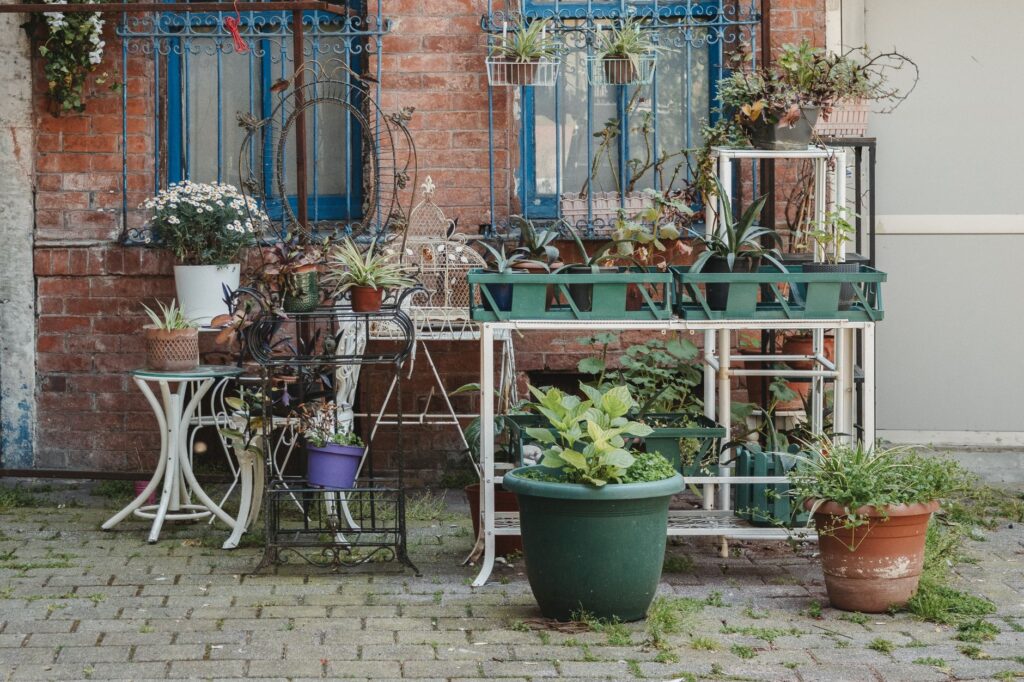
Make sure to address weeds regularly to keep plantings looking their best.
- Annuals: Offer vibrant colors; require annual replanting.
- Perennials: Provide consistency; return year after year.
- Shrubs/Trees: Create structure; offer shade and height.
- Containers: Allow for flexibility; can be rearranged as needed.
Creating Privacy with Plants
Plants not only enhance the beauty of a patio but also can create a sense of privacy. Tall trees and dense shrubs can serve as a natural screen, separating the patio from the surrounding environment. Strategic placement of plantings can shield against winds and provide a tranquil nook.
For a quick privacy fix, fast-growing species or tall ornamental grasses in large planters can provide an immediate solution. This approach ensures the patio remains an intimate space for relaxation and enjoyment.
- Tall Trees: Evergreens like cypress or arborvitae are optimal for year-round seclusion.
- Dense Shrubs: Ideal for creating living walls that enhance privacy without fencing.
- Ornamental Grasses: Fast-growing; provide movement and screening.
#7. Building Additional Structures
When designing a simple patio layout, incorporating additional structures can transform your outdoor space into a multifunctional area tailored for cooking, dining, and relaxation. These structures not only enhance functionality but also contribute to the aesthetic appeal of your patio.
Integrating Outdoor Cooking Features
Outdoor kitchens are a stellar addition for those who enjoy outdoor dining and entertaining guests. When planning an outdoor kitchen, one should consider durable materials that withstand the elements and integrate appliances that cater to their culinary needs.
Constructing a built-in barbecue or pizza oven invites the family to gather and participate in the cooking process, making meal preparation a communal experience.
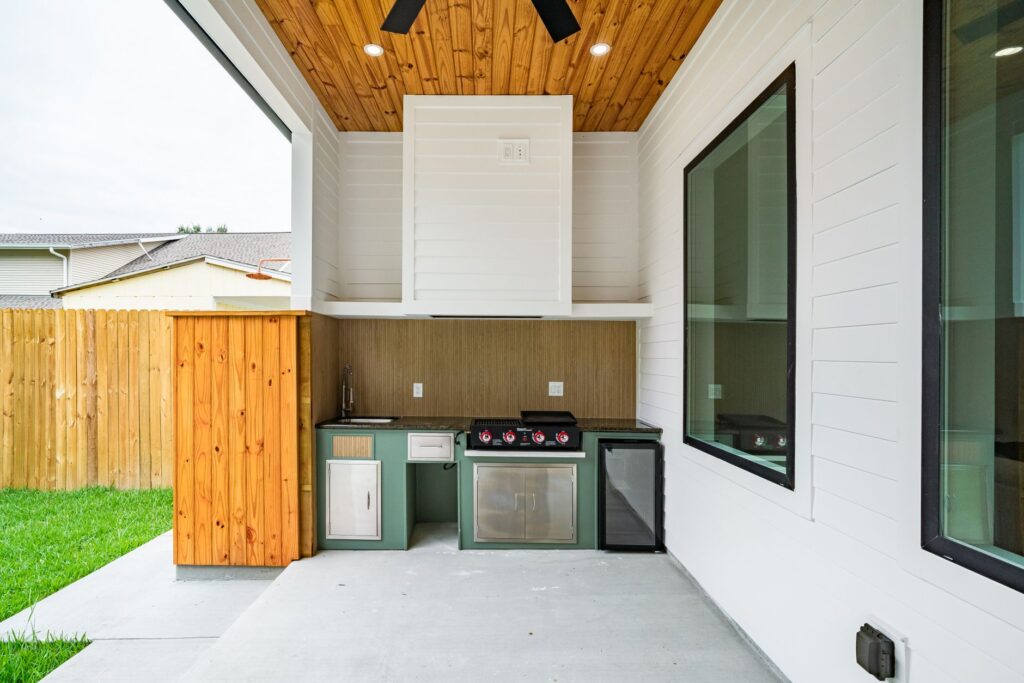
- Essentials for Outdoor Kitchens:
- Grill or Cooktop
- Prep Surface
- Storage
- Refrigeration
- Sink
Adding a bar area with seating can further turn the patio into a hub for entertainment, allowing guests to socialize while meals are being prepared.
Additions for Entertainment and Relaxation
For those looking to create a cozy atmosphere, incorporating a fireplace or fire pit can serve as the patio’s focal point, offering warmth and a serene environment for relaxation. It’s important to position these elements safely, ensuring that they comply with local regulations and are placed away from any flammable structures.
- Recreational Features:
- Fire pits (permanent or portable)
- Outdoor fireplaces
Integrating trellises or screens can provide privacy and shade, while adding vertical interest to the patio. These additions can also support climbing plants, which bring greenery and fragrant blooms to the outdoor living area.
For a touch of tranquility, a water feature such as a fountain or small pond can be a delightful element that adds soothing sounds and motion to the patio, making it an inviting retreat.
- Structures for Privacy and Shade:
- Trellis with Climbing Plants
- Privacy Screens
In conclusion, thoughtfully chosen structures can elevate the patio’s comfort and usability, making it an extension of one’s home where family and friends can congregate and enjoy the outdoors.
#8. Finishing Touches and Maintenance
Once the patio is built, the final step is to transform it from a simple layout to a personalized retreat. Incorporating decorative elements and establishing a maintenance routine will ensure the patio remains both beautiful and functional for years.
Adorning with Decorative Elements

Lighting:
To ensure evenings are as enjoyable as days, installing low-voltage lighting can create a practical yet ambient atmosphere. From solar-powered lanterns to strategically placed LED spotlights, lighting options are versatile and can make the patio a fun and comfortable space after sunset.
Decor:
Adding a splash of color with weather-resistant cushions and a variety of potted plants can make the patio appear more inviting. The inclusion of a water feature or fire pit, depending on a builder’s guidelines, can elevate the tranquility and aesthetic appeal of the patio.
Routine Cleaning and Repairs
Cleaning:
Regular sweeping to remove debris and hosing down hard surfaces to prevent buildup of dirt and grime is vital. For surfaces with mortar joints, a gentle wash can prevent weed growth and preserve the integrity of the patio.
Repairs:
Inspecting for any loose stones or pavers and addressing them quickly ensures safety and keeps the patio looking well-maintained. They should periodically check for any cracks or damage within the patio and address these issues promptly to avoid more extensive repairs down the line.
Regular maintenance not only keeps a patio clean and safe but also extends its longevity, ensuring that this outdoor extension of the home remains a practical and beautiful haven for relaxation and entertainment.
Transform your outdoor space into a serene and stylish oasis with Big Easy Outdoor Design‘s professional patio services. Whether you’re looking to create a simple and elegant patio layout or a more elaborate outdoor living area, our team of experts is here to guide you every step of the way.
From the initial design to the final touches, we ensure a seamless and satisfying experience, delivering a patio that perfectly aligns with your vision and enhances your lifestyle. Contact Big Easy Outdoor Design today to start crafting your dream patio.
Frequently Asked Questions
What are the essential steps to building a patio by myself?
The essential steps include planning your layout, choosing materials, preparing the site by grading and compacting, laying a foundation such as gravel, and installing pavers or your chosen patio surface.
Can I build a patio without having to dig and how?
Yes, it is possible. One approach is to use interlocking pavers, which can be laid over a compacted bed of sand and gravel without extensive digging.
What tools and materials do I need for a DIY paver patio project?
You’ll need tools like a shovel, a tamper, leveling sand, a carpenter’s level, and landscaping fabric. Materials include pavers, gravel, and edging.
What are cost-effective strategies for DIY patio construction?
Select simple designs and local materials. Opt for a modest size and consider doing the preparation work yourself. Perform cost comparisons and look for discounts or second-hand materials. Learn about various cost-saving methods in a guide for building a patio on a budget.
How do I use patio layout design tools effectively?
To use design tools effectively, start by measuring your space and then use online patio planners to create a visual representation of your layout. These tools can help you experiment with different designs and planters, lighting options, or furnishings before making any permanent decisions.
What are some tips for designing the perfect patio for my home?
Consider your home’s architecture, your personal style, and how you plan to use the space. Include features that enhance comfort and utility, such as shade structures or outdoor heating. Integrate your patio with your landscape for a cohesive look and feel.
Understanding the basics of patio design is essential for anyone looking to create a functional and aesthetically pleasing outdoor living space. A patio serves as a bridge between the indoors and the natural world, offering a place for relaxation, dining, and entertaining.
Planning a well-designed patio requires careful consideration of its purpose, the available space, and the overall style of the home.
Whether the aim is to create a symmetrical extension of the house or an asymmetrical space that offers a modern appeal, each design decision will contribute to the functionality and charm of the outdoor area.
Designing a patio involves selecting materials, determining shapes and sizes, and incorporating landscaping to complement the home’s architecture. A patio plan should account for the movement of the sun throughout the day, prevailing winds, and any views that can be enhanced or obscured.
For those seeking to create visual interest and a flow with the surrounding environment, curved lines are a trendy option. Material choices, too, play a significant role, impacting not just the look but also the maintenance and longevity of the patio.
The process of creating a patio plan should be as meticulous as it is creative, ensuring that the end result is both beautiful and practical. Homeowners might opt for a step-by-step approach to patio planning, which could involve everything from initial sketches to choosing the right furnishings.
By adhering to design principles and considering the space’s intended use, it’s possible to construct a patio that enhances outdoor living and adds value to the property.
Fundamentals of Patio Design
When designing a patio, one must consider both the intended purpose and the ideal location within the landscape to ensure that the outdoor space aligns with the homeowner’s lifestyle and entertainment needs.
Understanding Patio Purposes
A patio serves as a versatile outdoor living space that caters to various functions, from entertaining guests to providing a quiet retreat. Recognizing the patio’s purpose is crucial in guiding the design process.
Whether one envisions hosting large gatherings or seeks a tranquil spot for relaxation, the patio’s design should reflect its role in the homeowner’s life.
Selecting the Right Location
The location of a patio is integral to its functionality and integration with the overall landscape.
- Proximity to Home: A patio intended for dining should be located near the kitchen for ease of food preparation and transport. On the contrary, a secluded spot might be preferred for a peaceful reading nook.
- Environmental Factors: Consideration of sunlight patterns, prevailing winds, and natural shading plays a pivotal role in location selection. These factors determine comfort levels for outdoor living spaces throughout the changing seasons.
- Views and Privacy: The orientation of a patio should maximize desirable views and enhance privacy, especially in densely populated areas. Strategic placement can create a sense of seclusion and highlight the best features of the surrounding environment.
Materials and Foundations
When designing a patio, the choice of materials and the quality of the foundation are crucial for both aesthetics and longevity. The right selection can enhance the property’s value and the wrong one can lead to costly repairs.
Choosing Patio Materials
Patios can be constructed using various materials such as natural stone, brick, concrete, flagstone, pavers, and gravel. Each material offers a distinct look and level of durability. For instance, brick lends a classic, timeless appeal, while concrete is highly versatile and can be formed into different patterns and shapes.
Stone options like flagstone provide a natural, organic look but may require more maintenance than man-made pavers or concrete slabs. Gravel is another option that offers a more rustic, permeable surface, which can be beneficial for drainage purposes.
- Natural Stone: Durable, unique patterns, higher cost
- Brick: Classic look, requires proper sealing
- Concrete: Versatile, cost-effective, customizable
- Flagstone: Natural look, variable thicknesses
- Pavers: Easy to install, wide variety of designs
- Gravel: Affordable, good drainage, more upkeep
Preparing the Foundation
A sturdy foundation is essential for a long-lasting patio, as it supports the weight of the patio and withstands weather variations. Preparing the foundation involves digging to the appropriate depth and ensuring the subsoil is properly compacted.
The exact process may vary depending on the soil type and the material used for the patio. Installing a concrete slab may require a different approach compared to laying pavers.
For areas with poorly draining soils, such as clay, it’s important to incorporate a slope in the subgrade to facilitate water drainage, often using a perforated collector pipe.
Sand can serve as a leveling layer, ensuring pavers or stones are stable and make up a part of the footing structure, whereas a concrete slab may require more complex formwork and reinforcement before pouring the concrete.
- Excavation: Dig beyond patio edges; remove sod and vegetation.
- Compaction: Compact subsoil; ensures evenness and stability.
- Drainage: Slope the subgrade for water runoff; use drainage pipes if needed.
- Sand Layer: Lay and level sand for paver or stone foundation.
- Concrete Foundation: Build forms, add reinforcement, and pour concrete for a solid slab.
Patio Layout and Size
When designing a patio, two crucial aspects to consider are the patio’s layout and its size. These factors determine the functionality and aesthetic appeal of outdoor living spaces.
Determining the Size
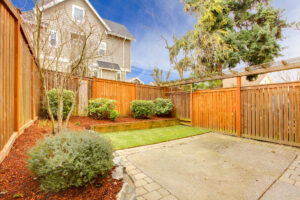
To determine the appropriate patio size, assess the intended use of the space. For small patios, a few chairs and a table might suffice, requiring a minimal area. However, for those envisioning large patios that host gatherings or include multiple zones, a significant dimension is necessary.
Patio design plans should accommodate the activities you wish to enjoy—whether it’s dining, lounging, or entertaining. A common recommendation is to allow about 25 square feet per person for comfortable seating and movement.
For specific furniture and features, refer to their individual measurements to assess how they will fit into your patio. This scale ensures a proportionate flow and avoids overcrowding.
Understanding needs such as these can inform one’s decisions: Design ideas for backyard spaces provide insights into choosing a size that aligns with both desire and practicality.
Layout Considerations
With the size established, the focus shifts to the patio layout. A thoughtfully laid-out patio enhances outdoor living experiences by creating a natural flow between different areas of the space.
It’s important to consider not only the physical structure but also how users will move through the space. Plan for walkways and decide if areas will be segmented or open.
- Zones: Separate areas for dining, cooking, and relaxation.
- Access: Ensure easy access to the home and garden.
- Privacy: Position seating areas away from prying eyes.
- Views: Orient the layout to make the most of the scenery.
For those looking to create a patio layout that meets their specific needs, guidelines can be found here: Average Patio Size, Diagram of Dimensions. These insights into the design process emphasize the practical considerations that ensure a patio is both beautiful and functional.
Decoration and Functionality
When designing a patio, harmony between decoration and functionality is paramount. Each choice should enhance the patio’s aesthetics while also serving a practical purpose.
The selection of furniture and amenities, as well as lighting and shade options, plays a significant role in achieving a comfortable and inviting outdoor space.
Furniture and Amenities
Patio Furniture Ideas
When choosing furniture for a patio, it’s essential to consider both style and comfort. A well-designed patio often includes comfortable tables and chairs that complement the overall aesthetic.
For instance, planters and fountains can double as decorative pieces while contributing to a serene atmosphere. Fireplaces or fire pits serve as focal points that also provide warmth on cooler evenings.
- Tables and Chairs: Opt for durable, weather-resistant materials. The size should match the patio’s scale.
- Additional Comfort: Incorporate outdoor sofas and loungers for relaxation.
- Decorative Functional Pieces: Add planters, and consider a water feature or a fireplace for ambiance.
Lighting and Shade Options
Shade Solutions
A pergola can offer a stylish form of shade, as can a variety of patio cover ideas. These structures not only help to cool the area but also define the space and enhance privacy.
The addition of shade is not just a comfort factor but also extends the usability of the patio during sunny days.
- Pergola: Provides customizable shade levels and can support climbing plants.
- Patio Covers: Options vary from retractable awnings to permanent roof structures.
Lighting Choices
Proper lighting is essential for enjoying the patio after sunset and can be tailored to the patio’s design. String lights create a festive and cozy atmosphere, while strategically placed LED lights can highlight architectural features or landscaping.
- Ambient Lighting: Use string lights or lanterns for a soft glow.
- Task Lighting: Ensure areas like cooking zones have brighter, focused lights.
Landscaping and Aesthetics
When designing a patio, the inclusion of landscaping and aesthetic elements like plants, flowers, water features, and sculptures can transform a simple outdoor space into a vibrant and tranquil oasis.
Integrating Plants and Flowers
Choosing the right plants and flowers is essential for creating a visually appealing patio. Incorporating a variety of shrubbery, trees, and flowering plants can add depth and color.
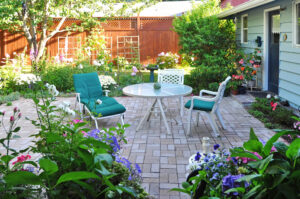
For example, creeping thyme can serve as an aromatic and low-maintenance ground cover, while taller trees can create natural privacy screens. Grouping plants with similar water and sunlight needs together ensures more efficient maintenance and creates a more cohesive look.
A well-considered arrangement of plants can be both functional and attractive, serving as important design elements in the overall landscape design.
- Flowers: Add pops of color with annuals or perennials in surrounding garden beds.
- Shrubs/Trees: Use these for privacy, shade, or as windbreaks.
- Turf: Consider a patch of well-maintained turf for softness underfoot.
Adding Water Features and Sculptures
Adding a water feature can significantly enhance the ambiance of a patio area, offering soothing sounds and an attractive focal point. A simple fountain or a small pond can be an elegant addition that also attracts wildlife, creating a more dynamic environment.
When integrating sculptures or other art pieces, they should complement the patio’s theme and not overwhelm the space. Strategically placed sculptures can draw the eye and invite visitors to explore the garden further.
Whether choosing a classic birdbath or a modern art installation, these design elements should harmonize with both the softscape and hardscape of the patio.
- Water Features: Fountains, ponds, or water walls can serve as calming and central elements.
- Sculptures: Select pieces that reflect personal style and enhance the natural surroundings.
Cost Estimation and Maintenance
In designing a patio, understanding the financial outlay for construction and the ongoing care required is crucial. This includes the initial patio cost estimates and the subsequent maintenance to sustain the deck’s appearance and durability.
Calculating Your Budget
One must consider both material selections and labor costs when estimating the budget for a patio.
Material costs can range significantly, from affordable concrete at roughly $6-$12 per square foot to high-end options like bluestone or travertine, which may exceed other material prices.
Labor expenses will vary based on the complexity of the design and the rates of professionals in one’s region. On average, building a patio can cost between $1,957 and $5,759.
- Concrete (Basic): $6-$12 per square foot
- Concrete (Colored/Customized): Up to $20 per square foot
- Stone Pavers (High-End): Varies, often higher than concrete
Ongoing Care and Maintenance
Once the patio is constructed, longevity and aesthetics depend on regular care and maintenance. Cleaning is necessary to prevent stains and mold, while sealing may be required for certain materials to retain their finish and prevent degradation.
Depending on the material, maintenance can be minimal like sweeping and occasional washing, or it could involve periodic sealing or staining, particularly for wood decks. The effort and cost of maintaining a patio should align with the owner’s willingness and ability to perform these tasks.
Final Thoughts
Understanding the essentials of patio design is the first step toward creating a captivating and practical outdoor space. With Big Easy Outdoor Design, you’re not just designing a patio; you’re crafting an extension of your living space that embraces the beauty and versatility of the outdoors.
Your patio is a canvas where functionality meets artistry, and every choice you make from layout to materials, from landscaping to furnishings, contributes to this unique creation.
As you begin the process, remember that a patio is more than just a structure; it’s a lifestyle enhancement. It’s the mornings spent sipping coffee as the sun rises, the afternoons of leisurely lounging, and the evenings of lively gatherings under the stars.
Your patio becomes a personal retreat, a hub for entertainment, and a serene sanctuary all in one. Don’t wait to create your perfect outdoor haven. Contact Big Easy Outdoor Design today to get started on your project.
FAQs
What are the key factors to consider when designing a patio?
Patio design include understanding its intended purpose, selecting the right location based on environmental factors like sunlight and wind, choosing materials that match the style and durability needs, and ensuring the patio’s layout and size align with the homeowner’s lifestyle and entertainment needs.
How do I choose the right materials for my patio?
Choose materials based on aesthetics, durability, maintenance, and cost. Options include natural stone for a unique look, brick for classic appeal, concrete for versatility, flagstone for a natural touch, pavers for ease of installation, and gravel for a rustic feel. Consider the climate and usage to determine the best fit for your patio.
What should I consider for patio layout and size?
Consider the intended use of the space to determine the size. Ensure the layout facilitates a natural flow between areas, with thoughtful placement of zones for dining, cooking, and relaxation. Factor in walkways, access to the home and garden, privacy, and views when planning the layout.
How can I enhance my patio’s design?
Integrate landscaping elements like plants, flowers, and trees to add depth, color, and privacy. Consider water features and sculptures for an enhanced ambiance. Choose furniture and amenities that balance style and comfort, and incorporate lighting and shade solutions for extended usability and aesthetic appeal.
What exactly is patio maintenance, and how does it affect costs?
Maintenance depends on the materials used and can range from simple sweeping and washing to periodic sealing or staining. Understand the initial cost of materials and labor for construction, and factor in ongoing maintenance expenses to sustain the appearance and durability of your patio.