 Aug 22, 2026
 How to Create a Low-Maintenance Backyard in the New Orleans Heat
-
 By Admin
The easiest way to build a low maintenance backyard in New Orleans is to redu...
Read More
Talk to an Expert 504-596-8647

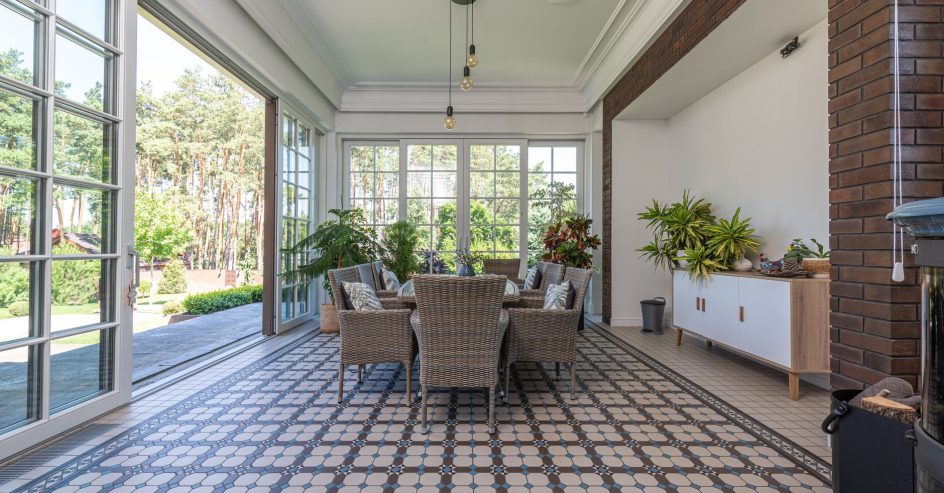
Porcelain tile and luxury vinyl plank generally handle sunroom humidity and sun exposure best for the money, natural stone resists fading the longest, and engineered hardwood or polished concrete work well with the right precautions. The best pick depends on how much moisture, direct sun, and foot traffic your sunroom sees.
A sunroom floor works harder than almost any other surface in the house. It sits under glass that traps heat and light for hours, and it often borders an exterior door that lets in humidity every time someone steps through. The right choice comes down to four things: how the material handles moisture, whether sunlight fades or damages it, how comfortable it feels underfoot, and how much upkeep it demands over the years.
A floor that photographs beautifully but buckles after one humid summer, or fades within a few seasons of direct sun, costs more in the long run than a sturdier option would have from the start. That is the lens Big Easy Outdoor Design uses when homeowners ask which material actually holds up in a light filled room.
It also helps to think about how the room is used day to day, since keeping a sunroom comfortable year round depends on more than windows and HVAC. The floor either supports that comfort or works against it.
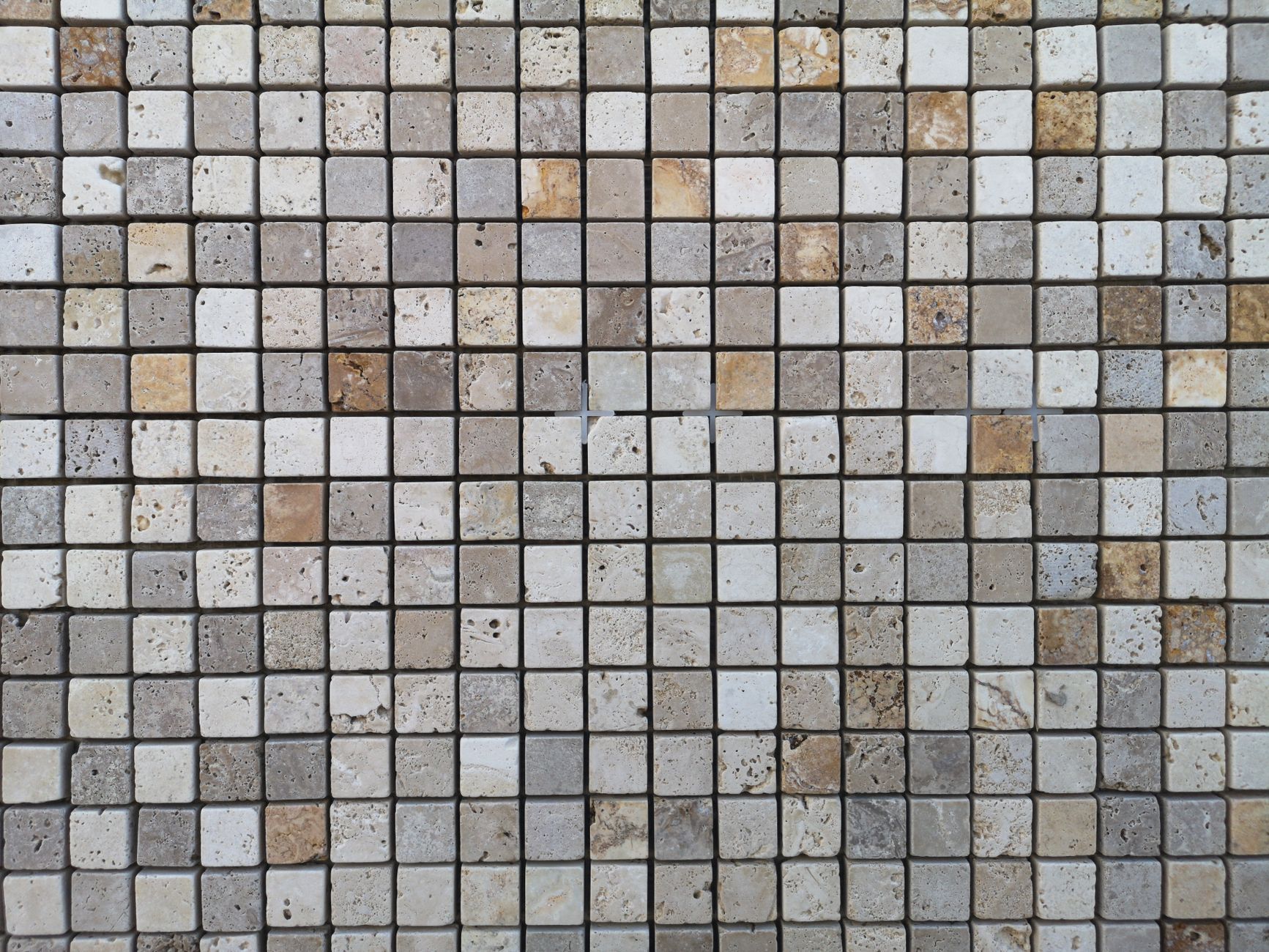
Porcelain tile is one of the most dependable sunroom floors because of how little water it absorbs, typically less than half a percent by weight, which makes standing humidity and window condensation a non issue. It also resists ultraviolet fading, so a sun drenched sunroom will not bleach or discolor the surface the way wood or vinyl eventually might.
Large glass walls intensify heat and glare, and if the glazing is not finalized yet, it is worth reading about choosing the best windows for a sunroom before committing to a floor, since low-E glass reduces the temperature swings tile has to absorb.
The tradeoff is comfort and installation. Porcelain feels cold and hard underfoot without supplemental heat, and it requires a professional installer because of its weight and precise cutting needs. Maintenance stays minimal: regular sweeping and occasional mopping keep it looking new for decades.
Humidity verdict: porcelain tile is one of the most humidity resistant sunroom floors available and needs no sealing to stay that way.
Luxury vinyl plank appeals to homeowners who want a wood or stone look without the price or the fragility. The planks themselves are essentially waterproof, and many now include a UV resistant wear layer meant to slow fading from long afternoons in direct sun.
That protection is not permanent. Manufacturers blend UV absorbing compounds into the wear layer, but years of unfiltered sun will still dull the color, just more slowly than an unprotected surface would fade. Trapped moisture underneath the planks is the bigger sunroom risk, since poor subfloor drainage can invite mildew even when the vinyl itself does not swell.
Cost is a genuine advantage here. Flooring retailers commonly price luxury vinyl plank between two and seven dollars per square foot, with premium lines reaching into the low teens, which makes it one of the more affordable options on this list.
Humidity verdict: LVP resists surface moisture well, but it performs best over a properly sealed, well drained subfloor rather than a damp one.
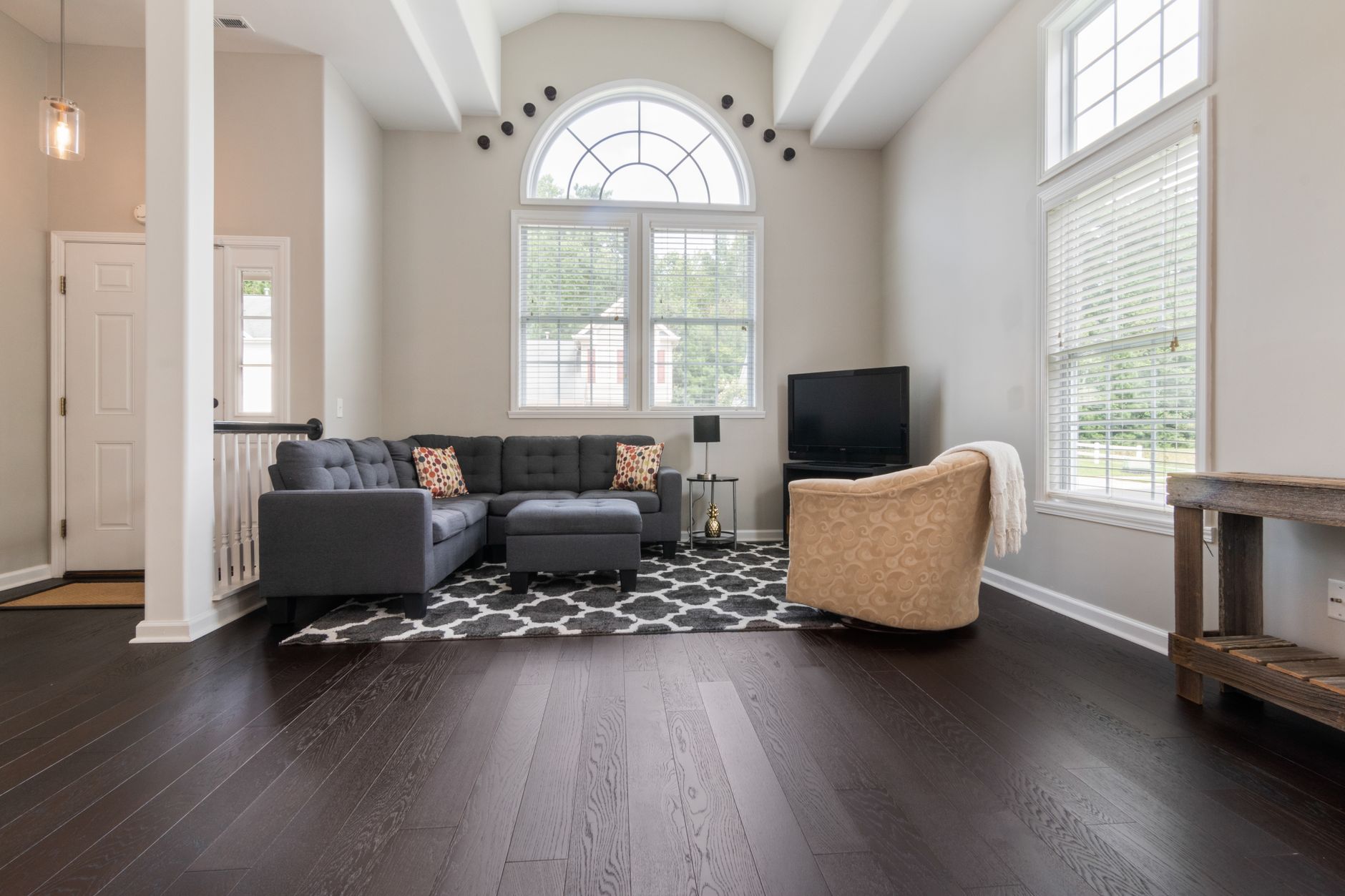
Engineered hardwood brings genuine wood warmth to a sunroom, something none of the other materials fully replicate. Its cross layered plywood core makes it noticeably more dimensionally stable than solid hardwood, which helps it resist the expansion and contraction that humidity swings cause.
That stability has limits. Large humidity swings, standing moisture, or a sunroom left without climate control can still cause an engineered floor to cup or gap, and unfiltered direct sun will shorten its lifespan without UV blocking glass. If a wood look matters to your vision, current sunroom design trends show ways to pair engineered wood with finishes that hide seasonal movement.
Engineered hardwood also needs more routine care than tile or concrete. Rugs help protect high traffic paths, and refinishing is possible but limited compared to solid wood.
Humidity verdict: engineered hardwood works best in a fully climate-controlled sunroom and struggles in one with wide humidity or temperature swings.
If a sunroom already sits on a slab, polished or stained concrete uses what is already there instead of adding a new surface on top, which keeps both cost and long term maintenance down. Once properly sealed, concrete resists moisture well, so it holds up in a room where window condensation or foot traffic from outside is common.
Homeowners weighing the benefits of adding a sunroom sometimes overlook concrete because it sounds industrial, but staining and scoring give it a warm, custom look that fits a wide range of styles.
The downsides are comfort related. Concrete feels cool and firm underfoot, and without proper sealing, moisture can work into its pores and invite mildew. Many homeowners pair it with area rugs or radiant heating to soften the temperature, since hard surfaces also tend to echo.
Humidity verdict: sealed concrete handles humidity about as well as tile does, but an unsealed or poorly maintained slab stays vulnerable to moisture damage.
Natural stone, including slate, travertine, and granite, is essentially immune to sun fading because its color comes from the mineral itself rather than a surface coating. For a sunroom that gets strong, consistent sun for most of the day, that is a real advantage over wood and vinyl.
Stone also carries substantial thermal mass, which helps moderate the swing between a hot afternoon and a cool evening. That quality is part of why it shows up so often on outdoor home decks and patios, and homeowners wanting a sunroom floor to feel continuous with an adjoining deck often choose stone.
Stone is not maintenance free. It needs regular sealing to resist staining and moisture absorption, and installation is more complex than tile because of irregular shapes and heavier material. It also tends to sit at the higher end of this price range.
Humidity verdict: natural stone resists sun fade better than any other option here, and handles humidity well as long as it stays properly sealed.
Start with how the sunroom is used and how exposed it is. A three season room with heavy door traffic to the yard should prioritize moisture resistance over comfort, which points toward tile, sealed concrete, or stone. A fully enclosed, climate controlled room used as a den or office has more room for vinyl or engineered wood.
Sun exposure matters just as much as humidity. A west facing sunroom with hours of unfiltered afternoon light will fade wood and vinyl faster than a north facing one, so weigh window orientation before ruling anything out. If the room itself is still being finalized, Big Easy Outdoor Design’s sunroom team can help match flooring to layout and glazing.
It also helps to think beyond the sunroom itself. If the room connects to a patio, the flow between the two spaces matters, and the same reasoning behind basic patio design, durability, drainage, and how a surface reads in natural light, applies indoors too.
There is no single best answer for every home. Weigh humidity exposure, sun orientation, and how much upkeep feels realistic, and the right material becomes clear.
Porcelain tile and luxury vinyl plank are generally the safest choices because they resist both moisture and sun fade with minimal upkeep. Natural stone matches or beats their sun resistance but costs more and needs periodic sealing. The right pick still depends on your room’s humidity exposure, sun orientation, and budget.
Solid hardwood is not recommended for most sunrooms because direct sun and humidity swings cause it to fade, warp, or gap over time. Engineered hardwood is a more stable alternative, but it still performs best in a fully climate-controlled room. Without climate control, tile, vinyl, concrete, or stone hold up better.
It does not always need to be fully waterproof, but moisture resistance matters in any sunroom with exterior doors or large windows that generate condensation. Porcelain tile, sealed concrete, and sealed natural stone all handle this well. Materials with looser seams, like solid hardwood or laminate, are more vulnerable.
No, natural stone is essentially immune to sun fading because its color comes from the mineral itself rather than a surface coating. This makes it one of the most reliable options for a sunroom that gets strong afternoon sun. It still needs regular sealing to guard against moisture and staining.
Polished concrete is durable and moisture resistant, but it feels cool and hard underfoot compared to vinyl or wood. Many homeowners soften it with area rugs or add radiant heating beneath the slab. Comfort improves significantly with either approach.
Costs vary widely by material. Many retailers report luxury vinyl plank running about two to seven dollars per square foot, while polished concrete often falls between four and ten dollars per square foot, with porcelain tile, engineered hardwood, and natural stone generally running higher once labor and sealing are included. Getting a quote for your specific sunroom is the only way to know for sure.
The right flooring can help a New Orleans sunroom stay comfortable through every season instead of fighting the humidity and sun. Contact Big Easy Outdoor Design or call (504) 596-8647 for a free consultation on your sunroom project.
 By Admin
 The easiest way to build a low maintenance backyard in New Orleans is to redu...
Read More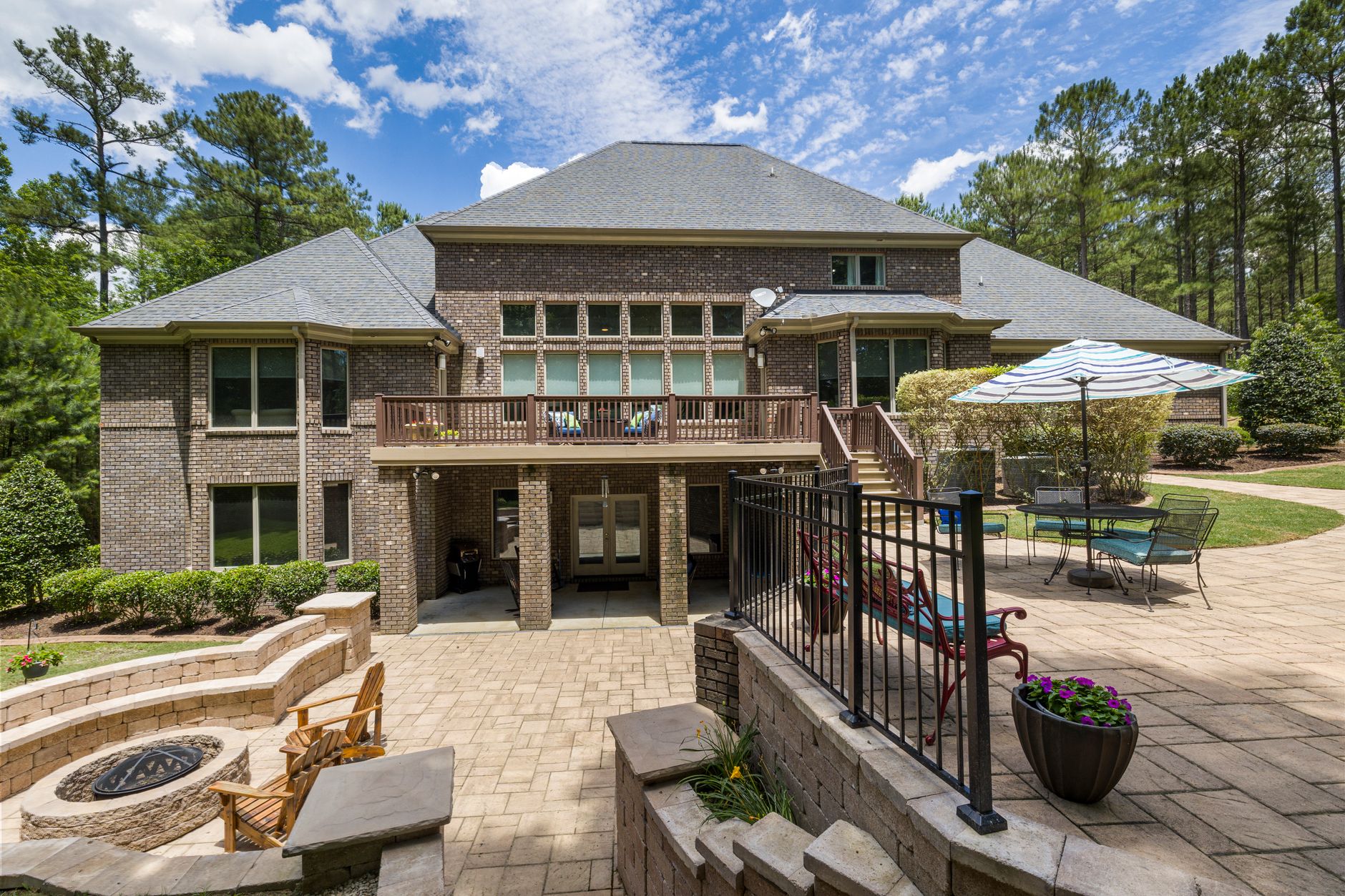
The right patio design for a New Orleans home comes down to six decisions: ra...
Read More
The best outdoor kitchen layout depends on your yard's shape, how many people...
Read More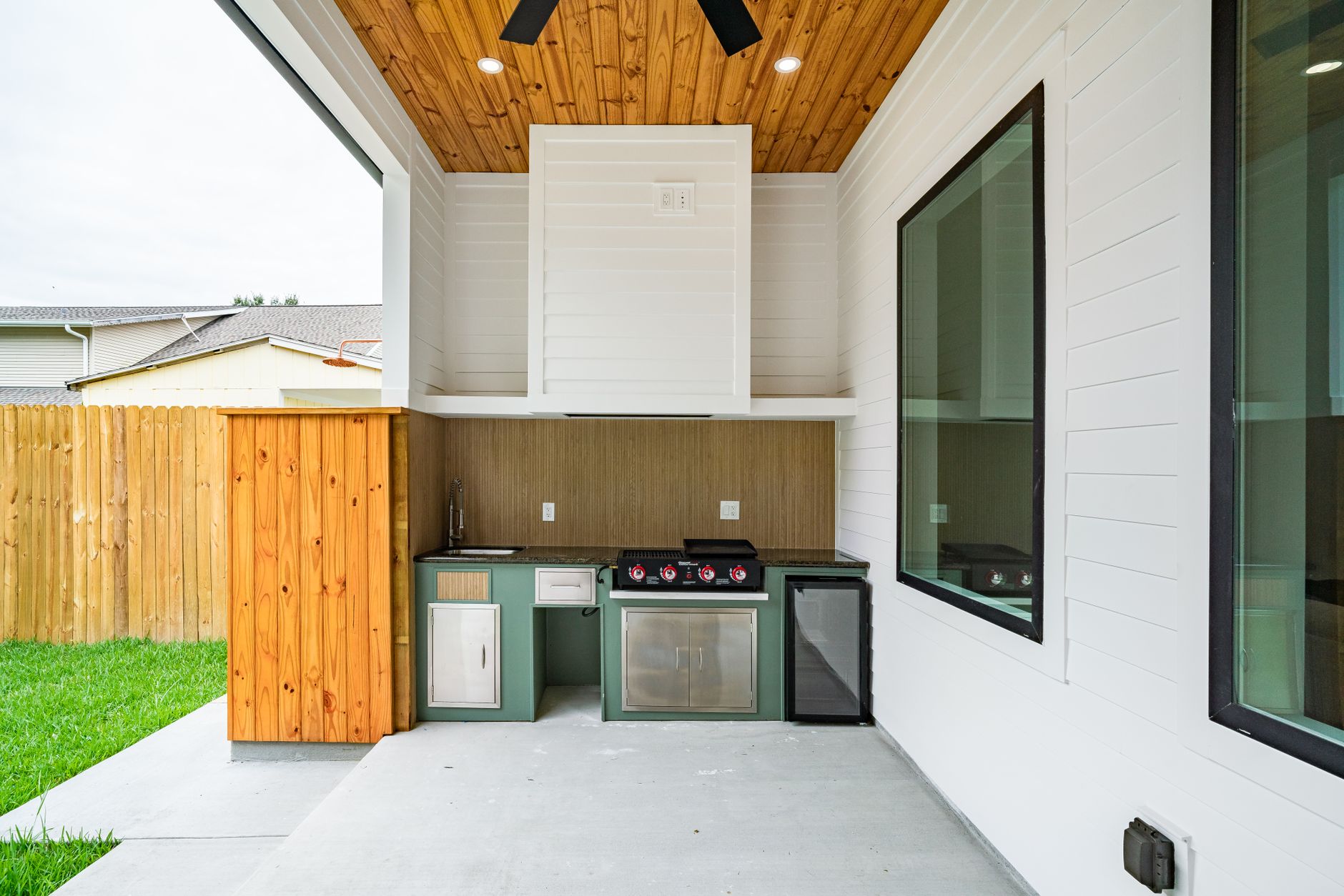
Most patios in New Orleans cost between $10 and $35 per square foot installed...
Read More
Wood deck maintenance in New Orleans requires cleaning twice a year, sealing ...
Read More
Preparing your patio for hurricane season in New Orleans means treating readi...
Read More