 Aug 19, 2026
 Incorporating Patio Design Basics Into Material Selection in New Orleans, LA
-
 By Admin
Choosing a patio material starts with matching your New Orleans home's color ...
Read More
Talk to an Expert 504-596-8647

A sunroom typically suits New Orleans homeowners who want an insulated, climate-controlled room they can use every month of the year, while a screened porch suits those who want a simpler, open-air space with reliable mosquito protection for three or four seasons. The right pick comes down to how many months a year you want to use the space and how much control you want over heat, humidity, and bugs.
New Orleans homeowners weighing an outdoor living upgrade often land on the same fork in the road: build a sunroom, or add a screened porch? Both stretch your living space toward the backyard and change how you experience the city’s weather. They solve different problems, though, and picking the wrong one can leave you with a room you only use three or four months a year instead of twelve.
At Big Easy Outdoor Design, homeowners bring us this exact question almost every spring, right as mosquito season and the first real heat wave show up together. Sunrooms and screened porches share a footprint and a general purpose, but they part ways on comfort, cost, and how much of the year you can actually use them.
This guide walks through the factors that matter most in our climate: hot, humid summers, mild but damp winters, and a mosquito population that Louisiana pest control experts regularly rank among the worst in the country. By the end, you should have a clear sense of which addition fits your home and your habits.
Sunrooms are typically framed, insulated, and glazed with energy-efficient windows. That construction means many sunrooms can be heated and cooled, some tied into the home’s existing HVAC system and others fitted with a standalone mini-split or supplemental unit. Built this way, a sunroom can function as genuine living space in July’s heat and in January’s damp chill alike.
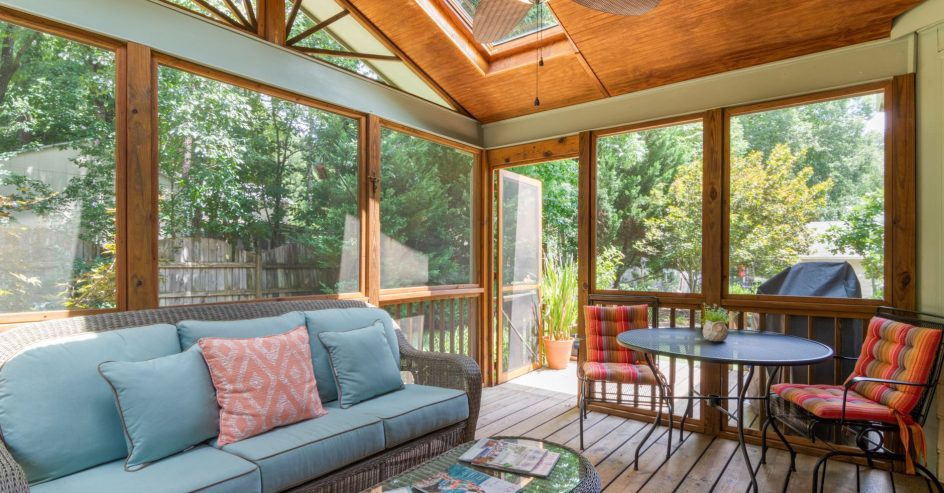
A screened porch works differently. Screens keep the space open to the outside air, so there is no solid barrier to hold in conditioned air. On a mild March evening, a screened porch is one of the best seats in the city. In August’s heat index or during a cold snap, it is far less comfortable, and most owners end up treating it as a three-season space rather than a year-round room.
Getting a sunroom to feel comfortable every season takes more than glass and a roof. Ventilation, glazing, and shade all play a part, covered in our guide on keeping a sunroom comfortable year-round.
For homeowners set on using their addition every month of the year, insulation and proper ventilation matter more than square footage. Our team at Big Easy Outdoor Design’s sunroom service starts every project with exactly this question: how many months a year do you actually want to sit in this room?

Louisiana is consistently ranked among the states with the worst mosquito problems in the country, and New Orleans deals with several species that bite at different times of day. The Asian tiger mosquito and the yellow fever mosquito are aggressive daytime biters, while the southern house mosquito, a primary local vector for West Nile virus, is most active at dusk and after dark. That combination means there is rarely a comfortable hour to sit outside unprotected between spring and fall.
A screened porch solves this directly. Fine mesh screening blocks mosquitoes and other insects while still allowing airflow, so you get the breeze without the bites. It is one of the strongest arguments for a screened porch over an open patio or deck.
A sunroom solves the same problem a different way. Solid glass and walls keep bugs out entirely, along with pollen, humidity, and rain. Neither option leaves you swatting mosquitoes on a summer evening, but a sunroom adds the benefit of also keeping out the heat and humidity that come with an open-air room. We cover this trade-off in more depth in our piece on the benefits of adding a sunroom.
Cost is usually the first question homeowners ask, and while every project differs, the general pattern holds across most contractors and regions. Many New Orleans homeowners report that a screened porch represents a more modest investment than a fully enclosed, insulated sunroom, since a screened porch skips the glazing, insulation, and HVAC work a true sunroom requires.
That gap exists for a reason. A sunroom is closer to a home addition than a covered outdoor structure. It typically needs a real foundation, wall framing, energy-efficient windows, and often ductwork or an electrical run for heating and cooling. A screened porch needs a roof, a floor, framing, and screen panels, a simpler scope of work.
Comparing a screened porch only to a sunroom also misses a third option many homeowners look at side by side: an open patio. If mosquito protection and climate control matter less to you than simply expanding your entertaining area, a patio may fit your budget better and still deliver much of the lifestyle upgrade.
For sunrooms specifically, windows make up a meaningful share of the total cost, and the glazing you choose affects both comfort and your budget. We break this down further in our guide to choosing sunroom windows.
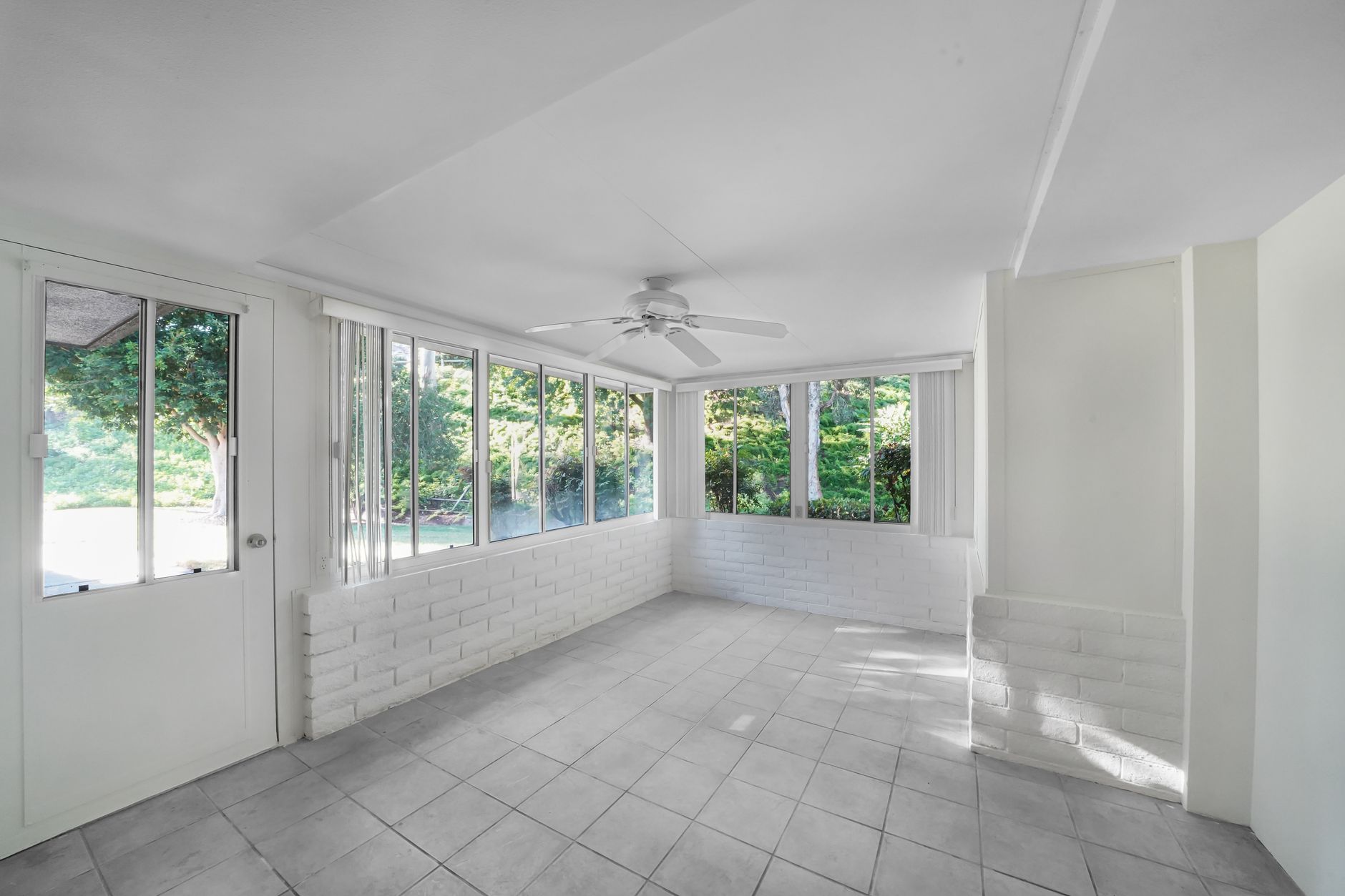
Resale value follows a similar logic to cost. National remodeling data suggests home additions that count as genuine livable square footage, meaning insulated and climate-controlled, tend to recoup more at resale than three-season or open-air additions. A four-season sunroom, appraised as part of a home’s finished square footage, often fits that category.
A screened porch, by contrast, is usually valued as an outdoor amenity rather than finished living space. That does not make it a poor investment. Buyers in New Orleans consistently respond well to well-built outdoor living space, whether it is fully enclosed or simply screened.
The bigger factor for resale tends to be quality of construction and how well the addition matches the style of the home, not just which category it falls into. Keeping a sunroom’s design in step with current preferences, covered in our look at sunroom design trends, helps it read as a natural extension of the house rather than a bolted-on addition, which matters to future buyers.
After weighing climate control, bug protection, cost, and resale, the decision usually comes down to how you picture yourself using the space.
Choose a sunroom if you want a room you can use in every month of the year, including the hottest days of August and the rare cold snap in January. Choose a sunroom if keeping out humidity, pollen, and mosquitoes entirely matters more to you than an open-air feel. Choose a sunroom if you plan to use the space as a home office, playroom, or everyday living room rather than an occasional retreat.
Choose a screened porch if you want the sound and smell of your backyard without the bugs, and you are comfortable using the space mainly in spring and fall. Choose a screened porch if a more modest project scope fits your budget. Choose a screened porch if you want to keep your options open for other shaded structures later, the way many homeowners pair a porch with a pergola or gazebo for additional shaded seating elsewhere in the yard.
Either way, a good next step is measuring your own habits: how many months you already spend outside, how much a mosquito-free room matters to you, and whether you want the addition to count as finished square footage.
A sunroom is a fully enclosed, insulated room with energy-efficient windows that can typically be heated and cooled for year-round use. A screened porch is an open-air space enclosed only by mesh screening, which blocks bugs but not heat, cold, or humidity.
Not effectively. Because a screened porch has no solid walls or windows, conditioned air escapes through the screening, so most homeowners treat it as a three-season space rather than adding HVAC to it.
Many New Orleans homeowners report that a sunroom costs more than a screened porch, since a sunroom requires a foundation, insulation, energy-efficient windows, and often HVAC work that a screened porch does not need. Exact costs vary by project size and finishes.
National remodeling data suggests four-season sunrooms, which count as finished living space, tend to recoup more of their cost at resale than open-air additions like screened porches. Both still appeal to buyers when well built.
Yes, properly installed mesh screening blocks mosquitoes and other insects while still allowing airflow through the space. It is one of the most effective ways to enjoy a New Orleans evening without getting bitten.
A sunroom handles both humidity and mosquitoes by fully enclosing the space with insulated glass. A screened porch handles bugs well but does not block heat or humidity, so its comfort depends heavily on the season.
Still weighing a sunroom against a screened porch for your New Orleans property? Our team can walk through both options with you, based on how you actually plan to use the space and your budget. Contact Big Easy Outdoor Design or call (504) 596-8647.
 By Admin
 Choosing a patio material starts with matching your New Orleans home's color ...
Read More
Yes, an outdoor kitchen adds real value to your home, and the features that p...
Read More
New Orleans is made for outdoor living. Long warm evenings, lush garden...
Read More
Small backyards in New Orleans can be transformed into functional, stylish ou...
Read More
The best outdoor kitchen layout depends on your yard's shape, how many people...
Read More
Understanding the basics of patio design is essential for anyone looking to c...
Read MoreA sunroom lets you enjoy the New Orleans outdoors without the humidity, heat, and mosquitoes, giving you a bright space to use all year. We build sunrooms for homes across the metro, from Lakeview to Metairie and the Northshore.
We use climate-rated glass and proper sealing built for our storm-prone, subtropical weather, so the space stays comfortable and protected. Whether you want a quiet reading room or a space to host, we design it for the way you live in New Orleans.