 Aug 16, 2026
 Incorporating Patio Design Basics Into Material Selection in New Orleans, LA
-
 By Admin
Choosing a patio material starts with matching your New Orleans home's color ...
Read More
Talk to an Expert 504-596-8647

The right deck railing for a New Orleans home balances style with the region’s humidity, salt air, and storm exposure. Aluminum and composite railings need the least upkeep, wood and cable offer more character but more maintenance, and every railing must meet International Residential Code guardrail height and spacing rules.
New Orleans decks face a tougher environment than most: thick summer humidity, salt-tinged air drifting up from the Gulf, and hurricane season stretching from June through November. A deck railing has to hold up to all of that while still looking like it belongs on your home. Picking the right style also affects how much time you spend maintaining it every year.
At Big Easy Outdoor Design, our design team walks New Orleans homeowners through these tradeoffs on nearly every deck project, because railing choice shapes both the finished look and the decade of upkeep that follows. This guide breaks down five popular railing styles, how each one holds up in a hot, humid coastal climate, and the safety basics your railing needs to meet no matter which material you choose.
Cable railing uses horizontal or vertical runs of thin steel cable stretched between posts, and it is a favorite for New Orleans homeowners who want an unobstructed view of a garden, pool, or the yard beyond. Because the cables are so thin, they disappear visually and let a deck feel more open than a solid railing would.
In a humid, salt-exposed climate, the cable material matters more than the look. Marine-grade 316 stainless steel resists corrosion far better than standard 304 stainless, though even 316 cable can develop a cosmetic haze called tea staining if it sits too long without rinsing. Cable systems also place real tension on the end posts, so the posts and the framing behind them need to be built stouter than a standard railing, which is one reason cable railing works best when it is planned into a new deck from the start rather than retrofitted later.
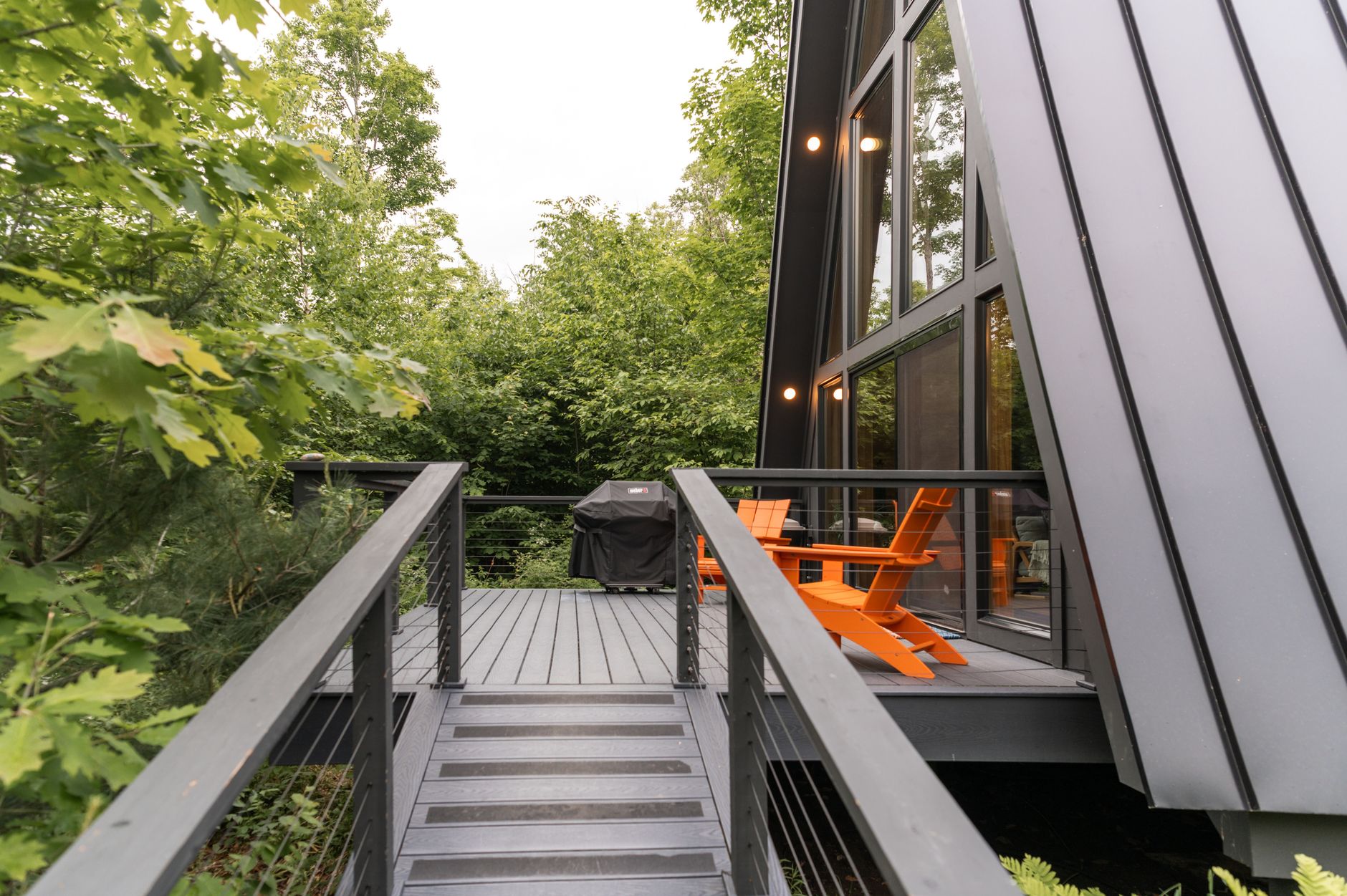
Aluminum railing is one of the most practical choices for New Orleans decks because it contains no iron, so it cannot rust the way steel or wrought iron can. A quality powder coating adds a layer of protection against salt air and UV exposure, and most aluminum systems only need an occasional rinse to stay looking new.
It also comes in styles that mimic wrought iron, which suits the ironwork look so common across New Orleans courtyards and gates, without the upkeep that real iron demands in this climate. For homeowners comparing materials for a full deck build, our breakdown of the best decking material for humid climates covers how decking and railing choices work together.
Wood railing still has a strong following in New Orleans, and it is one of the combinations our own Big Easy Outdoor Design crews build often, especially on homes where a wood deck sits alongside historic architecture like shotgun houses or camelback additions. Pressure-treated pine and cypress are the most common choices, and both can be shaped into classic baluster or picket patterns that match a home’s existing trim.
The tradeoff is upkeep. Humidity and heavy rainfall push wood to swell, gray, and eventually crack if it is not cleaned, sealed, and refinished on a regular schedule. Homeowners who already own a wood deck can find a full maintenance schedule in our guide on how to maintain a wood deck in New Orleans, and the same principles apply to a matching wood railing.
Composite railing is made from a blend of wood fibers and recycled plastic, and it is built specifically to resist the swelling, splintering, and fading that solid wood struggles with in this climate. It never needs sanding, staining, or sealing, which makes it appealing to homeowners who want a wood-like look without the annual maintenance.
Composite railing systems are also engineered to pair with composite decking, so the whole surface expands and contracts together during Louisiana’s temperature and humidity swings. If you are weighing composite against solid wood for an entire deck rebuild, our comparison of composite deck vs. wood deck walks through the cost and durability differences in more detail.
Glass railing uses tempered or laminated safety glass panels set into a metal or composite frame, and it gives a deck an almost invisible barrier that preserves views in every direction. It works especially well on elevated decks or decks overlooking a pool, which is part of why it’s a popular choice on the raised decks Big Easy Outdoor Design builds across New Orleans.
Glass also keeps evening light moving through a space instead of blocking it, which is part of why it pairs so well with string lighting or a nearby seating area. Our ideas for outdoor lighting for backyard entertaining lean on that same open feeling.
Salt film and pollen can build up on glass panels faster than on other railing types, so plan on wiping panels down more often than you would aluminum or composite.
Homeowners adding a glass-railed deck alongside a shaded structure often pair it with a pergola or gazebo nearby for a mix of open and covered space.
Style aside, every railing on a New Orleans deck has to meet baseline safety requirements. The International Residential Code, which forms the basis for most residential building codes in the United States, requires a guard whenever a deck’s walking surface sits more than 30 inches above the grade or floor below. Where a guard is required, it must stand at least 36 inches tall, measured from the deck surface to the top of the rail.
The code also limits how much space can exist between balusters, cables, or other infill. A 4-inch sphere cannot pass through any opening in the guard, a rule aimed at preventing young children from slipping through or getting stuck. On stairs, that allowance loosens slightly to 4 3/8 inches between balusters. These are baseline IRC numbers, and Orleans Parish permitting can add its own review on top of them, so it is worth confirming specifics with the local permit office before construction begins, the same way our article on the permit process for a pergola in New Orleans walks through for that type of structure.
Beyond the numbers, a few practical habits keep a railing safe for years. Check post connections annually, especially after a strong storm, and re-tension cable railing periodically since cables can stretch slightly over time. A railing that meets code on installation day still needs a periodic look to make sure it holds up as the years go by.
Aluminum and composite railings generally hold up best because neither one rusts, rots, or needs regular sealing in high humidity and salt air. Wood and cable can still work well, but they call for more consistent maintenance to look their best long term.
Under the International Residential Code, a guard is required once a deck’s walking surface is more than 30 inches above grade, and that guard must be at least 36 inches tall. Local permitting offices may add their own review, so it is worth confirming details before construction.
Cable railing can work well near the coast if it uses marine-grade 316 stainless steel cable, which resists corrosion better than standard stainless. It still needs occasional rinsing to prevent salt buildup and cosmetic staining over time.
Baluster or infill openings must be small enough that a 4-inch sphere cannot pass through them, which is the standard spacing rule under the IRC. On stairs, that spacing is allowed to open up slightly to 4 3/8 inches.
Glass railing does not rot, rust, or need refinishing, but panels do collect salt film, pollen, and water spots more visibly than other materials. Regular wiping keeps the glass clear and maintains the open view it is chosen for.
Yes, many homeowners combine materials, such as composite posts with cable infill or wood framing with aluminum balusters, to balance cost, style, and maintenance. A design-build team can confirm the combination still meets code before installation.
Choosing the right railing style shouldn’t feel like guesswork, and a free consultation is the easiest way to see your options side by side. Contact Big Easy Outdoor Design or call (504) 596-8647.
 By Admin
 Choosing a patio material starts with matching your New Orleans home's color ...
Read More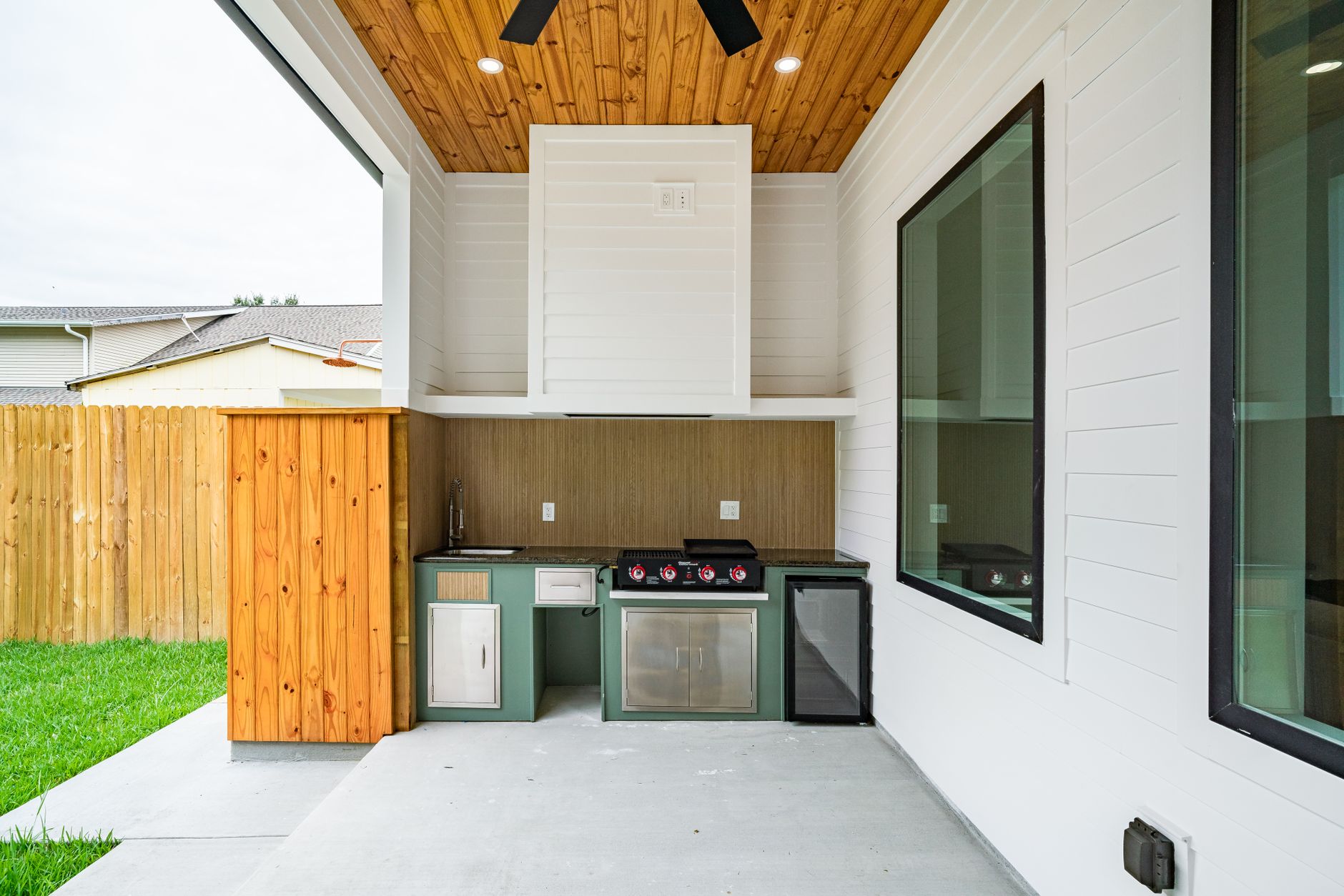
Most patios in New Orleans cost between $10 and $35 per square foot installed...
Read More
The best outdoor kitchen layout depends on your yard's shape, how many people...
Read More
A deck typically needs repair or full replacement once it shows soft or spong...
Read More
New Orleans is made for outdoor living. Long warm evenings, lush garden...
Read More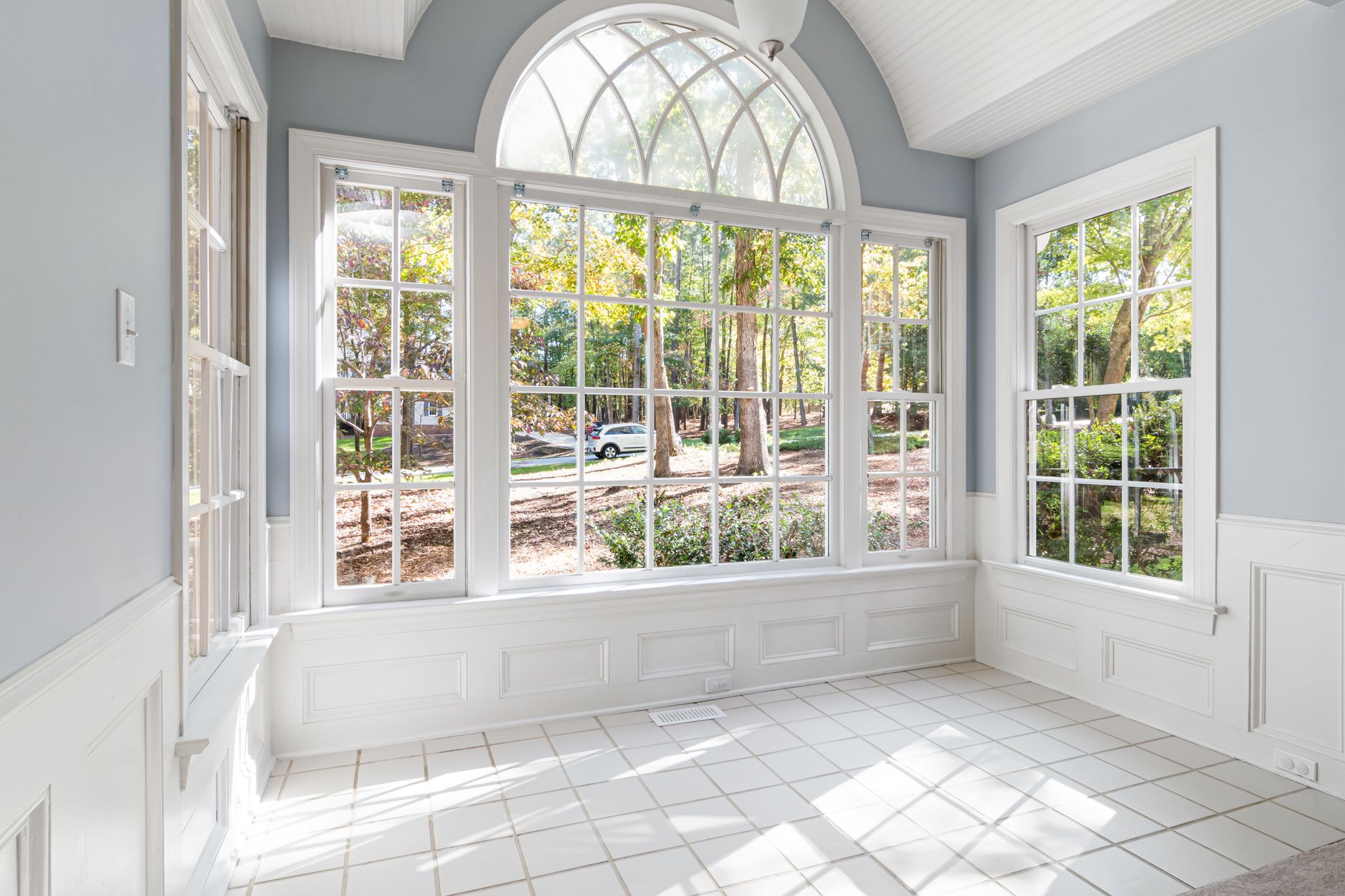
To keep your sunroom comfortable year round, pair a cooling system like a min...
Read More