Outdoor kitchen food safety comes down to time and temperature. The FDA says perishable food should not sit in the 40 to 140 degree danger zone for more than 2 hours, or more than 1 hour when it is above 90 degrees outside. In New Orleans, summer highs average 90 degrees or more, so cold storage, a hand-washing station, and a warming zone matter.
An outdoor kitchen makes it easy to cook and eat outside for hours. That is the appeal, and it is also where food safety slips. Platters sit out longer, coolers get opened over and over, and the afternoon heat speeds everything up.
Big Easy Outdoor Design plans outdoor kitchens around how people really cook and host. Below, we pair the FDA’s outdoor food guidance with local weather data, then show how the layout of your kitchen can make the safe choice the easy one.
What Is the Food Danger Zone?
The FDA calls the range between 40 and 140 degrees Fahrenheit the danger zone. In that range, bacteria in food can multiply rapidly and lead to foodborne illness. The goal outdoors is to keep cold food at 40 degrees or below and hot food at 140 degrees or above.
The FDA’s guide to handling food safely while eating outdoors sets two time limits. Perishable food should not stay in the danger zone for more than 2 hours. When outdoor temperatures are above 90 degrees, the limit drops to 1 hour.
After that, the FDA’s advice is simple: throw the food away to be safe. Planning the cooking and serving flow around those limits is easier than tracking platters during a party.
How Often Is It Above 90 Degrees in New Orleans?
Often enough to plan for it. NOAA’s 1991 to 2020 climate normals for the New Orleans International Airport station show an average of 85.2 days a year with a high of 90 degrees or warmer. June, July, and August all average highs of 90 or above.
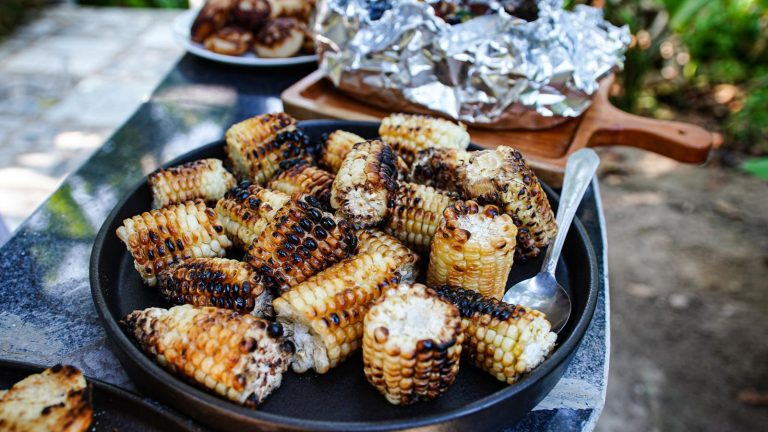
The monthly normals put the average high at 90.0 degrees in June, 91.4 in July, and 91.3 in August. September averages 88.1, so the stretch of very hot afternoons can run well past Labor Day.
On those days, the FDA’s 1-hour rule is the one that applies to food left out. That changes how you serve: smaller batches, food kept cold or hot until the moment it is eaten, and a plan for leftovers.
How Do You Keep Cold Food Cold Outside?
Keep it at 40 degrees or below until serving time. The FDA suggests coolers with ice or frozen gel packs, separate coolers for drinks and perishables, and opening the food cooler as little as possible. An outdoor refrigerator does the same job without the ice runs.
The FDA also recommends setting dishes such as chicken salad on ice, or in a shallow container placed in a deep pan of ice. Drain the melt water and replace the ice often.
In an outdoor kitchen, cold storage works well near the prep counter, out of direct sun. Our outdoor kitchen layout guide explains how island, L-shaped, and galley plans place each work zone.
How Do You Keep Hot Food Hot Without Overcooking It?
Use the edge of the grill. The FDA says grilled food can be kept hot until served by moving it to the side of the grill rack, just away from the coals. Hot food should stay at or above 140 degrees, wrapped well, in an insulated container if needed.
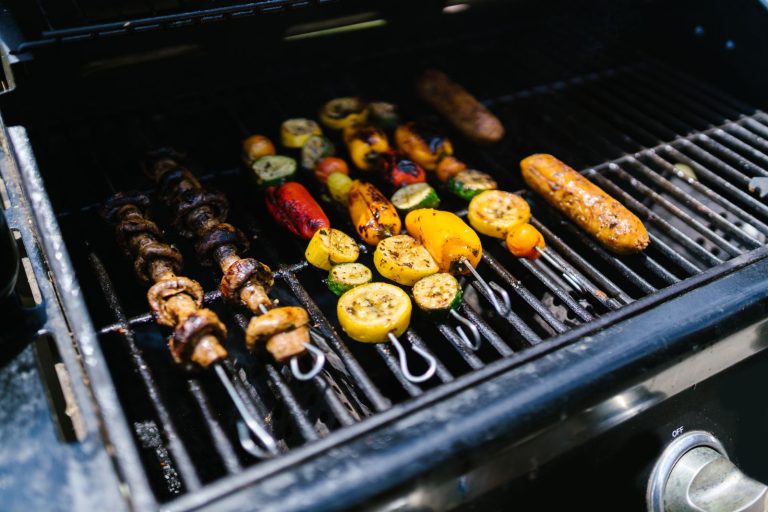
A food thermometer belongs in every outdoor kitchen drawer. The FDA says to always use one to be sure food is cooked thoroughly, rather than judging by color or time.
The FDA also flags a few grill-side habits worth building into the space:
- Have a clean platter and utensils ready at the grill, and never reuse ones that held raw meat, poultry, or seafood.
- Marinate food in the refrigerator, never on the counter or outdoors.
- If you clean the grill with a bristle brush, check that no loose bristles end up in the food.
Does an Outdoor Kitchen Need a Sink?
It helps a lot. The FDA’s outdoor guidance starts with clean hands and surfaces, and it suggests a water jug, soap, and paper towels when running water is not available. A built-in sink makes hand washing and cleanup part of the kitchen.
The FDA says to wash hands with warm water and soap for at least 20 seconds before and after handling food. It also says to wash cutting boards, dishes, utensils, and counters with hot soapy water after preparing each food item.
Plumbing takes planning, since a sink needs both a supply line and a drain.
The City of New Orleans permit guide says a plumbing permit is needed to remove or replace water piping or fixtures. The Sewerage and Water Board issues it, and a licensed master plumber must apply. Our post on outdoor kitchen gas and plumbing planning covers how to fit utility lines into the design.
How Can the Layout Make Food Safety Easier?
Give raw and cooked food their own space. Separate prep and serving areas, with cold storage near the prep counter and a sink between them, help keep raw juices away from cooked food. Shade over the work zone keeps food out of direct sun.
The FDA’s own advice points the same way. It says to keep raw meat, poultry, and seafood securely wrapped so their juices do not reach cooked food or produce. It also says to rinse fruits and vegetables under running tap water.
Counter space on both sides of the sink makes those steps easier.
Shade over the kitchen makes a real difference on long summer afternoons, both for the cook and the food. If you are weighing a roof or pergola, our comparison of covered and uncovered outdoor kitchens walks through the options.
Grill placement still matters too. Our guide on how far a grill should sit from your house covers clearance, and our outdoor kitchen design page shows how the pieces come together.
Frequently Asked Questions
How long can food sit out at an outdoor cookout?
The FDA says no more than 2 hours, or 1 hour when the outdoor temperature is above 90 degrees. After that, it advises throwing the food away to be safe.
What temperature should cold food stay at outdoors?
The FDA says cold perishable food should stay at 40 degrees Fahrenheit or below, kept in a cooler with ice or frozen gel packs until serving time.
How do I keep grilled food warm until it is served?
The FDA suggests moving grilled food to the side of the grill rack, just away from the coals. Hot food should stay at or above 140 degrees.
How many days a year is New Orleans above 90 degrees?
NOAA’s 1991 to 2020 climate normals show an average of 85.2 days a year with a high of 90 degrees or warmer at the New Orleans International Airport station.
Do I need a permit to add a sink to my outdoor kitchen in New Orleans?
The city’s permit guide says a plumbing permit is needed to remove or replace water piping or plumbing fixtures. Those permits come from the Sewerage and Water Board, and only a licensed master plumber may apply.
Planning an Outdoor Kitchen That Works in Summer?
Cold storage, a sink, shade, and smart work zones make cooking outside easier on hot days. Big Easy Outdoor Design designs outdoor kitchens for homes across New Orleans, Metairie, Kenner, Slidell, Jefferson Parish, and St. Tammany Parish.
Book a free design consultation through the contact page or call 504-596-8647.