
Patio surface temperature depends mostly on how much sunlight the material reflects. The EPA says conventional concrete and asphalt can reach 120 to 150 degrees on summer days, and that solar reflectance is the main factor in how hot a surface gets. Lighter, cleaner, shaded, and permeable surfaces generally stay cooler underfoot.
Anyone who has crossed a patio barefoot in July knows that some surfaces feel far hotter than others. The difference is not in your head. It comes down to color, finish, shade, and how the material handles heat and water.
At Big Easy Outdoor Design, comfort in the heat is part of every patio plan. This comparison uses the EPA’s research on cool pavements to explain why surfaces heat up and which choices keep a patio more usable on hot afternoons.
How Hot Can a Patio Surface Get?
Very hot. The EPA’s cool pavements chapter says conventional impervious concrete and asphalt can reach peak summer surface temperatures of 120 to 150 degrees Fahrenheit. A pilot study the EPA cites in Arizona measured asphalt up to 152 degrees at midday.
In that same study, cool pavements stayed 10 to 16 degrees cooler than conventional ones, according to the EPA’s page on using cool pavements to reduce heat islands. That is a big gap for a surface you walk on.
New Orleans gives those numbers plenty of chances to show up. NOAA’s 1991 to 2020 normals for the New Orleans International Airport station average 85.2 days a year at 90 degrees or warmer. July has the highest average high on that list, at 91.4 degrees, with August right behind at 91.3.
Why Do Dark Surfaces Get Hotter?
Dark surfaces absorb more of the sun’s energy. The EPA calls solar reflectance, or albedo, the main factor in a material’s maximum surface temperature. Conventional asphalt and concrete reflect only 5% to 40% of sunlight, so they absorb 60% to 95% of it.
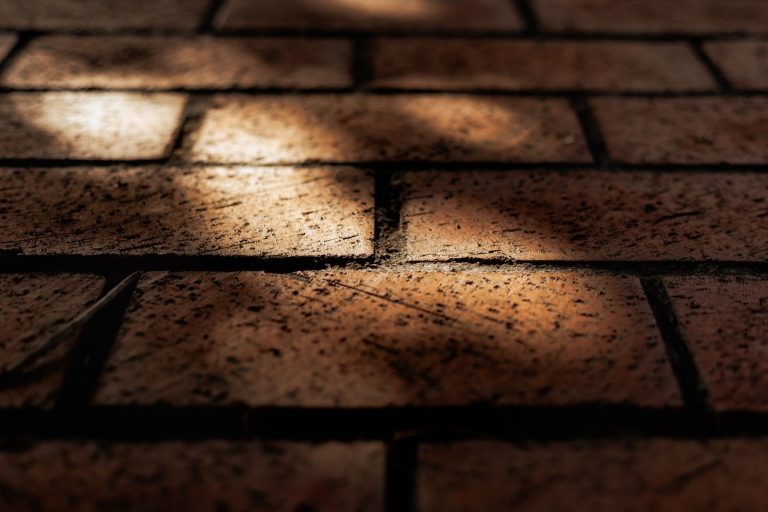
The EPA shows how much color alone matters. In one example from its chapter, a white stripe painted on a brick wall measured about 5 to 10 degrees cooler than the darker areas around it.
Visible light is only part of the story. The EPA notes that about 43% of solar energy is visible light and 52% is infrared, which is felt as heat. The remaining 5% is ultraviolet, the part that causes sunburn.
That split matters for future materials. Researchers are testing pavements that look dark but reflect more infrared energy.
How Do Common Surface Choices Compare?
Lighter and newer surfaces usually start cooler, dark and weathered ones run hotter, and shade helps all of them. The table below compares common choices using the EPA’s general findings, not lab tests of specific products.
| Surface Choice | How It Behaves in Sun | What the EPA Notes |
|---|---|---|
| Light-colored surface | Reflects more sunlight | Reflective pavements are light colored |
| Dark surface | Absorbs more sunlight | Low reflectance means higher peak temperature |
| New concrete | Starts fairly reflective | Darkens over time with dirt and wear |
| Permeable surface | Lets water soak in | Can stay cooler through evaporation |
| Shaded surface | Blocks direct sun | Shading with plants is a common approach |
No single label tells you a material is cool. The EPA says there is no official standard or labeling program for cool paving materials yet, so color, finish, and shade are the practical guides.