Most outdoor kitchen planning conversations start with countertops and grill brands, but the gas and plumbing decisions made early in the process end up shaping the whole layout. Moving a gas line or adding a sink after the concrete is poured costs far more than planning for it from the start.
Big Easy Outdoor Design builds covered outdoor kitchens across New Orleans, and utility planning is one of the first conversations the team has with homeowners before layout or material decisions get locked in. The homepage at bigeasyoutdoordesign.com covers the full outdoor kitchen service, and a free design consultation is the best way to map out gas and plumbing needs for your specific yard.
Should an Outdoor Kitchen Use Natural Gas or Propane?
Natural gas offers a permanent connection with no tanks to refill, while propane offers more installation flexibility since it does not require tying into the home’s existing gas line. Homes already connected to natural gas service often find it the more convenient long-term option, since there is no ongoing tank replacement to manage.
Propane makes more sense for outdoor kitchens set far from the house, where running a natural gas line would mean significant trenching across the yard. It also works well for homeowners not yet ready to commit to a fixed structure, since a propane tank can be relocated if the kitchen’s layout changes later.
Cost comparisons between the two fuel types shift depending on local utility rates and how often the kitchen gets used. A natural gas line costs more to install upfront but generally runs cheaper per use over time, while propane keeps installation simpler but adds the ongoing cost and hassle of tank refills or exchanges.
How Early Should Gas Line Planning Happen?
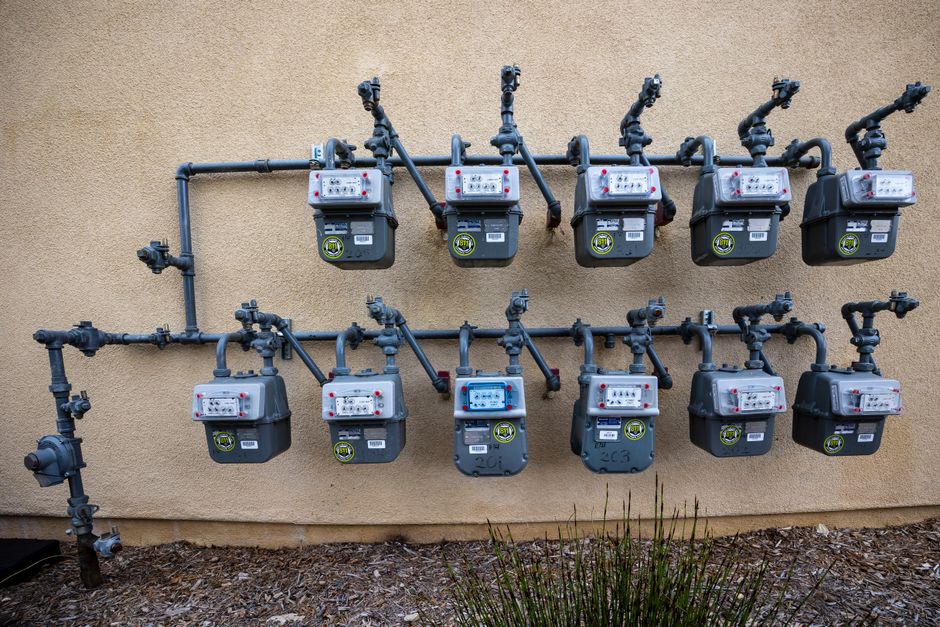
Gas line planning needs to happen before any hardscape or foundation work begins, since the line typically runs underground and needs to be in place before concrete or pavers are set. Retrofitting a gas line after the patio or kitchen base is finished usually means cutting into finished hardscape, which adds cost and disrupts the surface.
This is why an outdoor kitchen project should start with a full utility plan, not just a layout sketch. Knowing where the grill, side burner, and any other gas appliances will sit lets the gas line get run to the right spot the first time, avoiding a costly second trip to move it later.
Trenching depth and routing also need to account for anything already buried in the yard, including irrigation lines, existing electrical, or drainage pipe. A pre-construction utility check catches these conflicts before digging starts, which is a far cheaper problem to solve on paper than in an open trench.
Does an Outdoor Kitchen Need Running Water?
A sink is optional in an outdoor kitchen, but most homeowners who use their outdoor kitchen regularly find running water valuable for cleanup and food prep without constant trips back inside. Plumbing an outdoor sink means running both supply and drain lines, which adds complexity compared to a kitchen built around just a grill and counter space.
Freeze protection matters even in New Orleans, since occasional cold snaps can still damage exposed plumbing lines that are not properly insulated or set below the frost line. An outdoor kitchen with plumbing needs a plan for shutting off and draining the lines during rare hard freezes, which a design and build team should account for during installation.
A small bar sink with cold water only is a common middle ground for homeowners who want convenience without the full cost of hot and cold supply lines plus a water heater connection. It covers most cleanup needs during regular use while keeping the plumbing scope, and the freeze protection required, simpler than a full hot and cold setup.
What Permits Apply to Outdoor Kitchen Utilities?
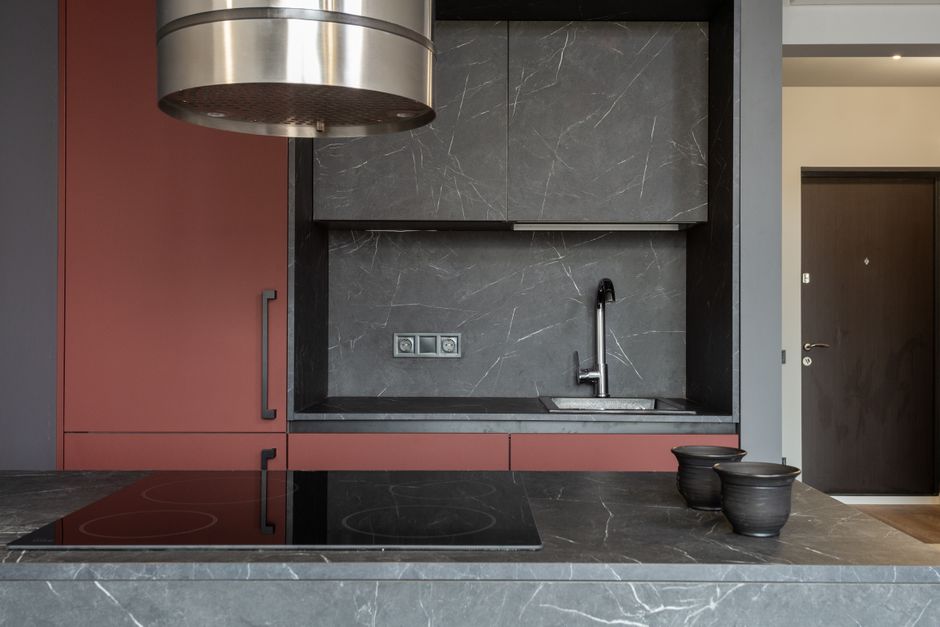
Gas line work and plumbing typically require permits separate from the general construction permit for the outdoor kitchen structure itself, and gas work usually needs to be performed or inspected by a licensed professional. Permit requirements vary by parish, and combining a gas or plumbing permit with a general contractor’s structural permit keeps the whole project on one inspection timeline.
Skipping permits on gas work is a real safety risk, not just a compliance issue. An improperly installed or uninspected gas line can leak, and insurance claims related to gas incidents are often denied when the work was not permitted or inspected. Working with a team that handles permitting as part of the project removes this risk from the homeowner’s plate.
Homeowners selling their house down the road also run into permit issues during inspection if gas or plumbing work was never documented. An unpermitted gas line can hold up a sale or force last-minute corrections, which is one more reason to handle permitting properly the first time rather than treating it as optional paperwork.
How Does Utility Planning Affect the Overall Layout?
Gas and plumbing lines should be planned around the final appliance layout, not the other way around, since moving a fixed line after installation is far more expensive than adjusting a countertop design. A grill placed a few feet from where the gas line was originally planned can mean an entirely new trench.
This is why Big Easy Outdoor Design maps utilities alongside layout during the design phase rather than treating them as a separate step. Getting the sequence right, layout first with utilities planned to match, then construction, saves homeowners from expensive changes mid-project.
Planning gas and plumbing before construction begins is one of the most overlooked steps in an outdoor kitchen project, but it is also one of the most important for avoiding costly changes later. Big Easy Outdoor Design handles this planning as part of every outdoor kitchen build.
If you are planning an outdoor kitchen, contact Big Easy Outdoor Design to schedule a free design consultation and get your gas and plumbing needs mapped out early.
Frequently Asked Questions
Is natural gas or propane better for a New Orleans outdoor kitchen?
Natural gas works well for kitchens close to the home’s existing gas line, offering a permanent connection with no tanks to refill. Propane offers more flexibility for kitchens set farther from the house or for homeowners who are not ready to commit to a fixed gas line.
Do I need a permit for a gas line in my outdoor kitchen?
Yes, gas line work typically requires a separate permit from the general construction permit, and the work usually needs inspection by a licensed professional. Requirements vary by parish, so confirming specifics with local permitting offices is part of a proper outdoor kitchen project.
Can plumbing be added to an outdoor kitchen after it is built?
It is possible, but adding plumbing after construction usually means cutting into finished hardscape or countertops, which adds cost and disruption. Planning for a sink and water lines before construction begins avoids this expense.
How do I protect outdoor kitchen plumbing during a cold snap?
Exposed lines need to be insulated or set below the frost line, and homeowners should know how to shut off and drain the lines before a hard freeze. Big Easy Outdoor Design plans freeze protection into any outdoor kitchen plumbing installation.
Where should the gas line run to in an outdoor kitchen?
The gas line should run to wherever the grill or other gas appliances will sit in the final layout, which is why finalizing the appliance plan before construction matters. Moving a gas line after installation is significantly more expensive than planning it correctly from the start.
Does Big Easy Outdoor Design handle gas and plumbing permits?
Big Easy Outdoor Design factors gas and plumbing needs into the outdoor kitchen design and construction process. A free design consultation is the best way to discuss specific permitting and utility questions for your project.
Get Expert Help Planning Your Outdoor Kitchen in New Orleans
Planning gas and plumbing before construction begins keeps your outdoor kitchen project on budget and avoids costly changes once the hardscape is already in place.
Big Easy Outdoor Design designs and builds outdoor living spaces across New Orleans, Metairie, Kenner, Slidell, Jefferson Parish, and St. Tammany Parish. Visit the homepage to see the full range of projects the team builds.
Ready to get started? Reach out or call 504-596-8647 to schedule your free design consultation.