
 Aug 1, 2026
 How to Maintain a Wood Deck in New Orleans
-
 By Admin
Wood deck maintenance in New Orleans requires cleaning twice a year, sealing ...
Read More
Talk to an Expert 504-596-8647

Preparing your patio for hurricane season in New Orleans means treating readiness as a season-long project, not a last-minute scramble once a storm is on the map. Secure loose furniture and outdoor kitchen features well before June 1, keep drainage clear all season, and follow a clear plan for the 72 hours before a storm arrives and the days after it passes.
New Orleans sits at the edge of the Gulf, and every homeowner here already knows what June through November brings. The Atlantic hurricane season runs from June 1 to November 30, with the heaviest stretch of activity typically falling between mid-August and mid-October. That six-month window covers most of the year we spend outside, grilling on the patio, hosting friends under string lights, and enjoying the yard we worked hard to build.
A well-designed outdoor living space is an investment, and that investment deserves a real plan, not just a mad dash to the garage when a storm shows up on the radar. At Big Easy Outdoor Design, we hear from clients every year who wish they had thought through hurricane readiness before the panic set in. A phased approach, built around the actual rhythm of hurricane season, removes most of that stress.
This guide breaks patio hurricane prep into three phases: what to do before the season starts, what changes once a storm gets a name, and what comes after the wind and rain move on. Treating each phase differently is the difference between a patio that bounces back in a weekend and one that takes months to repair.
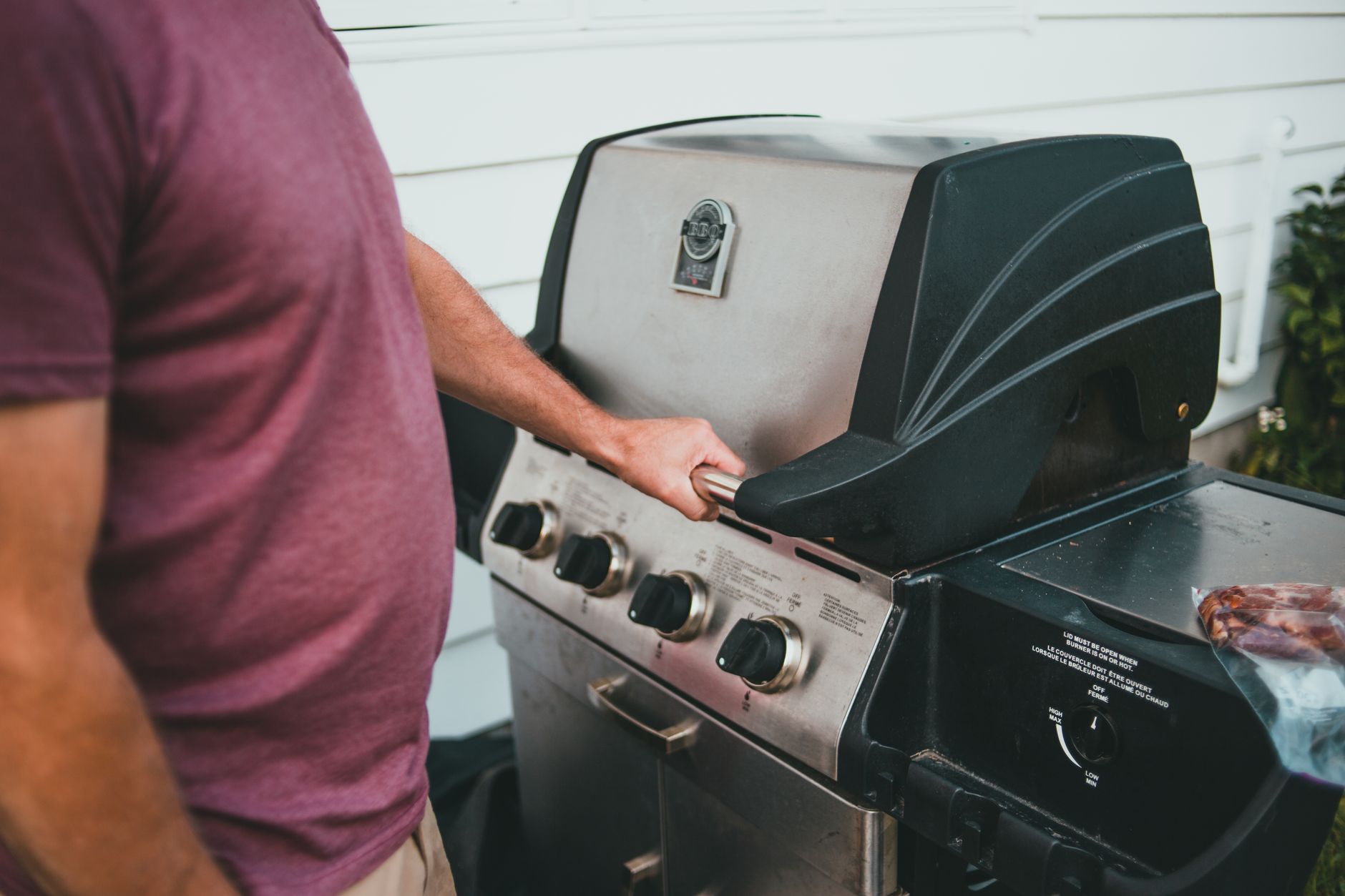
The best patio prep happens in spring, long before a storm is anywhere near the Gulf. Contractors, shutter installers, and rental storage units all get booked solid once a hurricane watch is issued, so anything structural should be handled in April or May. This is also a natural time to revisit your patio design itself, since proper drainage slope, durable materials, and well-anchored structures built in from the start make every later phase easier.
Start with an honest inventory of everything sitting on your patio that isn’t bolted down. Furniture, planters, umbrellas, string lights, wind chimes, and grills can all turn into projectiles in sustained winds well below hurricane strength.
Look for pieces with real weight and durable materials such as teak, wrought iron, or poly lumber, since these hold up better in storage and shrug off humidity the rest of the year. If you don’t have garage space, stack lightweight chairs and tie them together with rope or cargo straps so they can’t scatter. Patio umbrellas should come out of their base entirely, with the canopy closed and tied.
If outdoor lighting is part of your setup, and for many New Orleans backyards it is, walk the property and note which fixtures are hardwired versus simply plugged in. Our guide to outdoor lighting for backyard entertaining covers fixture placement that also makes storm season easier, since well-anchored, properly wired lighting is far less likely to become a hazard once the wind picks up.
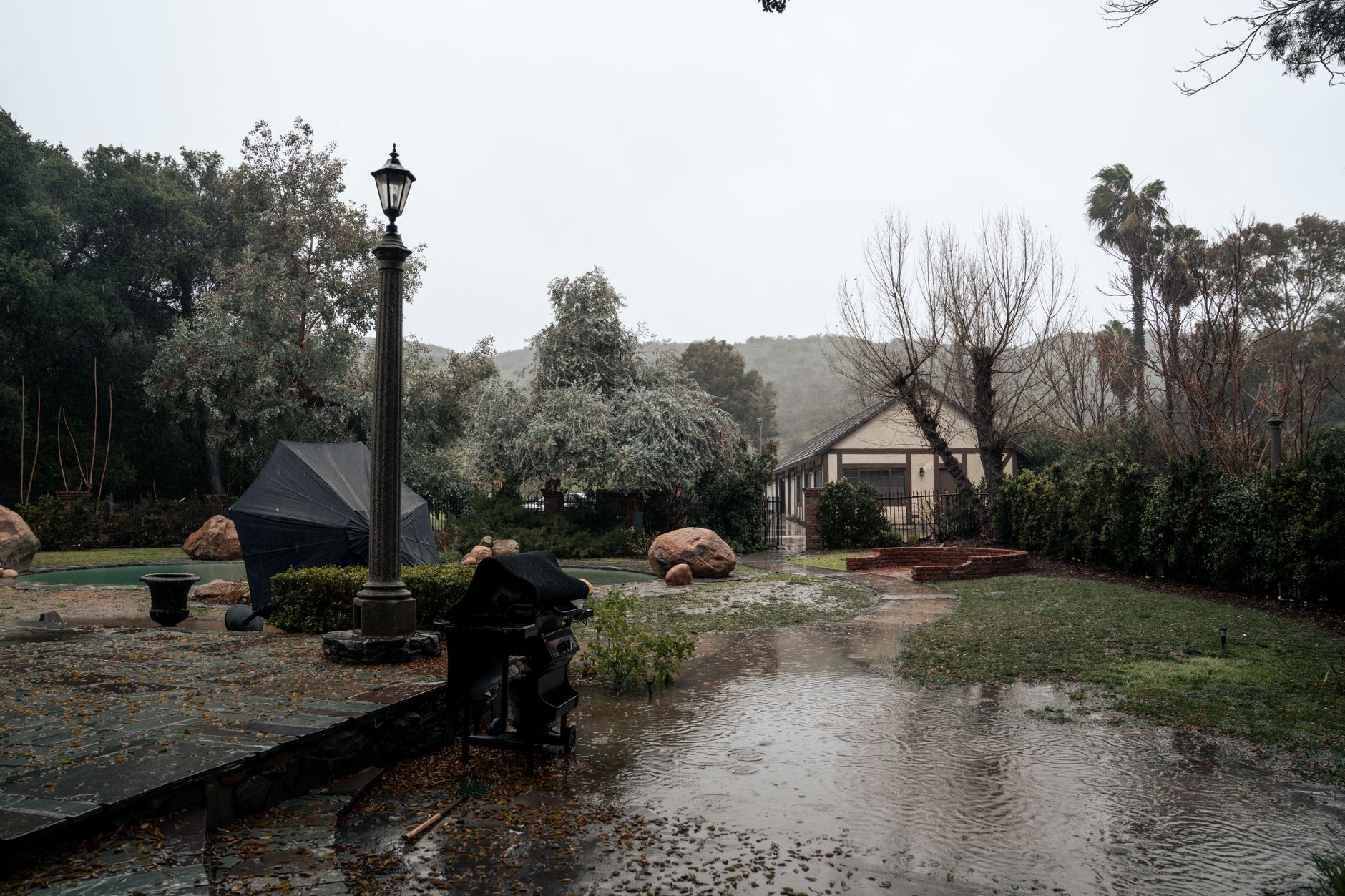
Outdoor kitchens and built-in features can’t be carried indoors, so they need a different kind of protection. Grill hoods, cabinet doors, and any exposed electronics benefit from marine-grade covers rated for wind and rain, not just dust. Propane tanks should be disconnected and stored upright in a shaded, ventilated spot away from the house.
Pergolas, arbors, and other overhead structures deserve a close inspection every spring. Check for loose fasteners, corroded hardware, or soft wood at the connection points where posts meet beams. These are the spots that fail first in high wind, and catching a weak joint in May is far cheaper than replacing a collapsed structure in September.
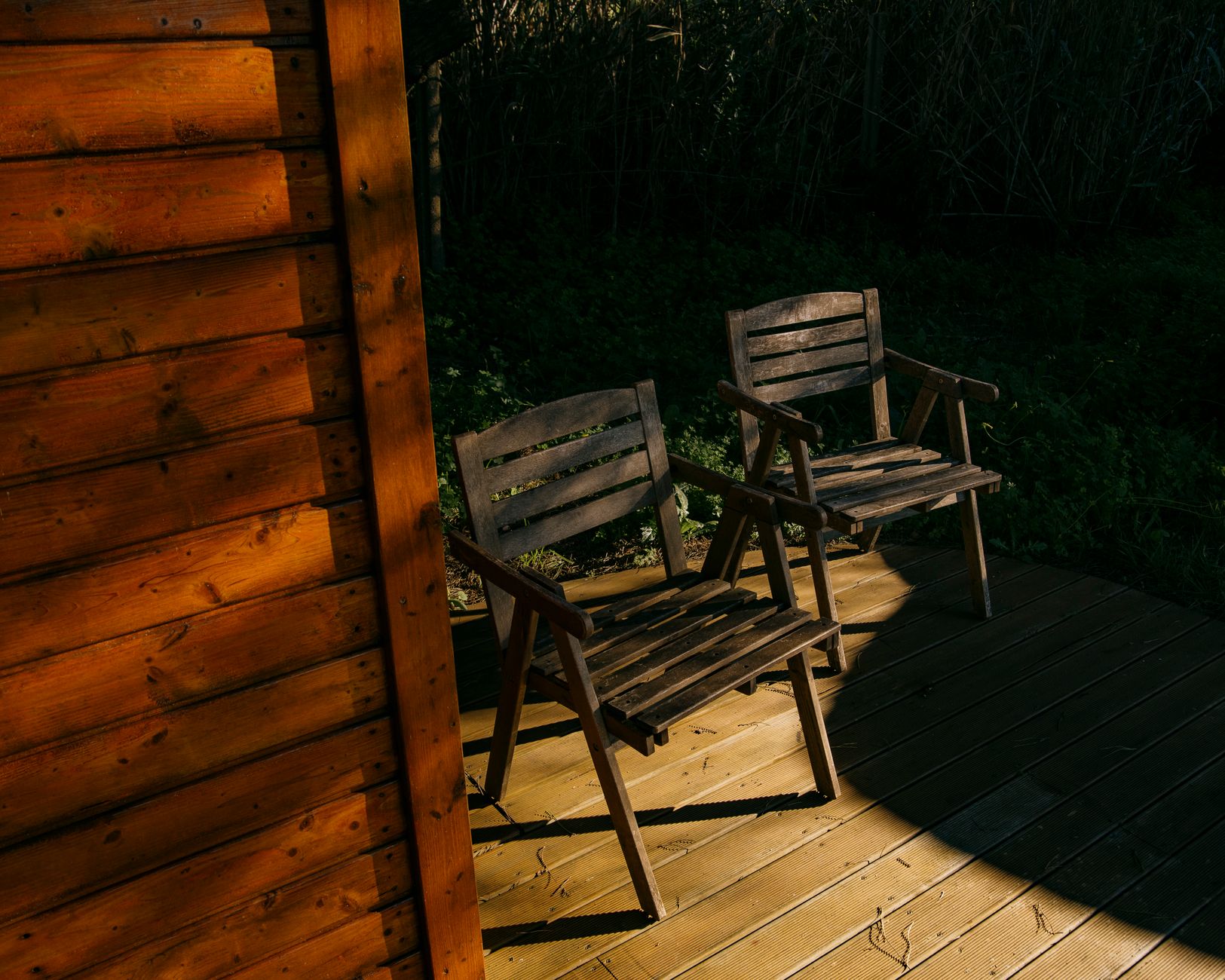
If your outdoor living space includes both a patio and a deck, the same logic applies to both. Wood decking that has been neglected is more vulnerable to wind-driven rain and rot, so it’s worth reviewing our wood deck maintenance guide for New Orleans alongside your patio checklist. A deck and patio built with hurricane-region materials and proper fastening from the start will weather a season better.
Once the National Hurricane Center starts tracking a system that could affect southeast Louisiana, the plan shifts from general readiness to a countdown. This is not the time to shop for straps or move furniture for the first time, whether you handled your original prep yourself or worked with Big Easy Outdoor Design from the start.
At 72 hours out, bring in every loose item you haven’t already stored, including cushions, small planters, and anything sitting on shelves or tables. At 48 hours, use hurricane straps or heavy-duty cord to anchor anything too large to move. Tie it to a sturdy fixture such as a deck post or a heavy, water-filled planter rather than a fence panel that could itself blow over.
At 24 hours, do a final walk of the yard. Trim or remove any weak tree limbs hanging over the patio, since falling branches cause a large share of storm damage to outdoor structures. Clear gutters and downspouts one more time, and make sure patio drains and yard swales are free of leaves and debris so rain has somewhere to go instead of pooling against the house.
If your patio layout includes low spots or areas where water already tends to collect during a regular Louisiana downpour, address that drainage before the storm, not during it. Our post on creating a simple patio layout touches on grading and slope, both of which matter even more once tropical rain starts falling by the inch per hour.
Once local officials confirm it’s safe to go outside, resist the urge to immediately drag furniture back out or fire up the grill. Walk the patio first and look for downed power lines, standing water near outlets, and any structural movement in pergolas, railings, or steps.
Standing water that lingers for more than a day or two around the patio or foundation is worth addressing right away. New Orleans clay soil drains slowly even in good conditions, and pooled water invites mosquitoes and mold. Clear any debris blocking drains or swales so the yard can finish draining on its own.
Inspect fixed structures for loose fasteners, cracked footings, or wood that has started to swell, and photograph anything you find before you touch it, in case you need it for an insurance claim. Furniture and grills can come back out once everything is dry and you’ve confirmed nothing shifted or cracked during the storm.
If your patio came through with visible damage, from cracked pavers to a pergola post that’s no longer plumb, it’s worth having it assessed rather than patched over. Many homeowners use this moment to finally address the drainage or layout issues that caused problems for years. If cost is part of that conversation, our breakdown of patio cost in New Orleans is a useful starting point.
Landscaping recovers too. Storm-battered beds are a natural opportunity to shift toward the kind of low-maintenance backyard plantings that hold up better against wind and heavy rain the next time a storm rolls through, reducing both the debris and the recovery work down the line.
Start in spring, ideally April or May, well before the Atlantic hurricane season officially begins on June 1. Handling furniture storage, structural inspections, and drainage checks early avoids the rush that hits contractors and suppliers once a storm is being tracked.
Bring lightweight and loose items indoors first, including cushions, planters, and umbrellas. Anything too large to move should be anchored with hurricane straps or heavy-duty cord to a sturdy, fixed point rather than left loose.
Cover grills, cabinets, and exposed electronics with marine-grade, wind-rated covers, and disconnect and store propane tanks upright in a ventilated spot. Fixed structures like a pergola over an outdoor kitchen should be inspected for loose fasteners before the season starts.
Clogged gutters, downspouts, and yard swales are the most common culprits, since they force rainwater to pool against the house or the patio surface instead of draining away. Clearing debris and confirming proper grading before hurricane season begins prevents most of this damage.
A well-built, properly anchored pergola can typically stay in place, but any fabric shade, canopy, or loose attachment should be removed first. Structures with loose fasteners, corroded hardware, or wood rot at the joints are the ones most likely to fail in high wind.
Look first for standing water, downed lines, and any movement in railings, posts, or footings before touching anything. Photograph damage for insurance purposes and wait until surfaces are dry before returning furniture and grills to the patio.
A patio built with the right materials, slope, and anchoring handles hurricane season with far less stress every single year. Schedule a free consultation to talk through storm-ready upgrades or a brand new outdoor living space. Contact Big Easy Outdoor Design or call (504) 596-8647.
 By Admin
 Wood deck maintenance in New Orleans requires cleaning twice a year, sealing ...
Read More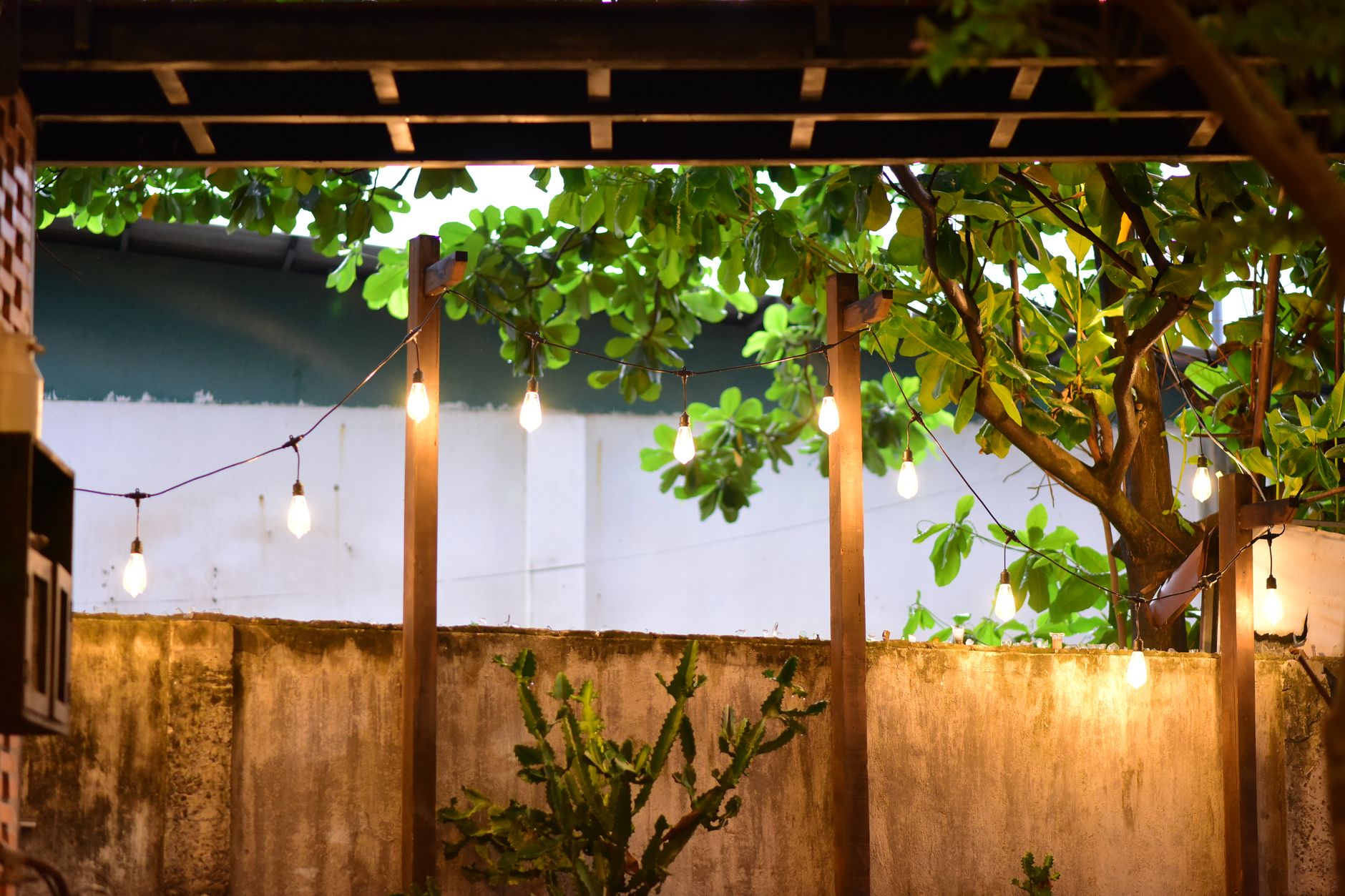
The best outdoor lighting for backyard entertaining combines warm string ligh...
Read More
There's something about cooking outside in New Orleans that just makes sense....
Read More
Building an outdoor kitchen in New Orleans isn't the same as building one in ...
Read More
The best patio material for a New Orleans home depends on budget, structural ...
Read More
In most cases, yes, a pergola in New Orleans may require a building permit, e...
Read More