Deciding between a gas and a wood-burning fire pit shapes almost everything else about the project, from where it can sit in the yard to how much upkeep it needs once it is built. Both options work well in a New Orleans backyard, but they solve different problems and fit different lifestyles.
Big Easy Outdoor Design builds fire pit lounges across New Orleans and helps homeowners weigh gas against wood-burning options early in the design process, since the choice affects placement, materials, and long-term maintenance. The homepage at bigeasyoutdoordesign.com shows the range of outdoor features the team designs, and a free design consultation is the best way to talk through which option fits your yard.
How Do Gas and Wood-Burning Fire Pits Actually Differ?
A gas fire pit connects to a buried natural gas line or a propane tank and ignites with the push of a button, while a wood-burning fire pit burns actual firewood and needs to be built and lit manually each time it is used. That core difference drives nearly every other tradeoff between the two options.
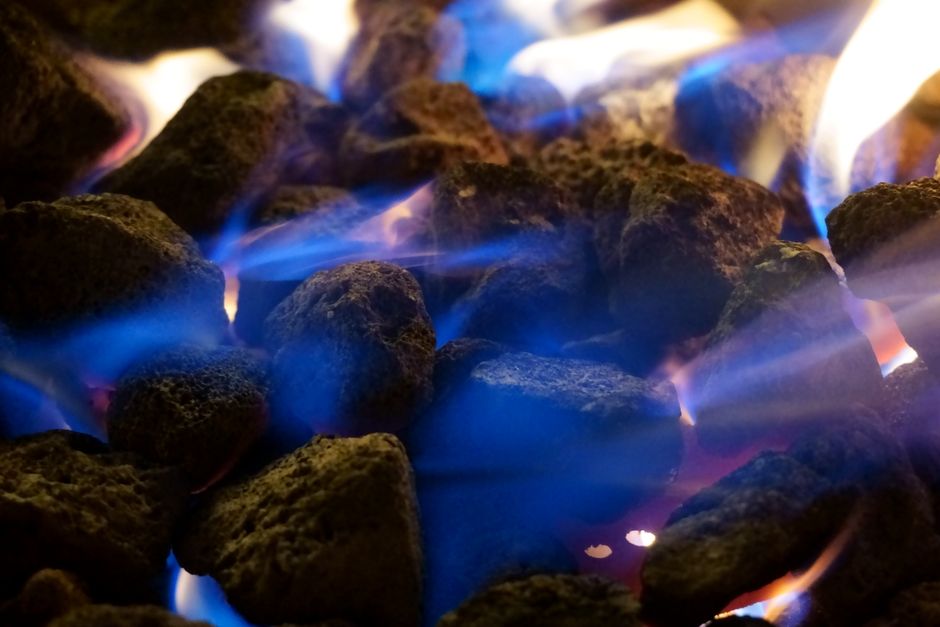
Gas fire pits typically use lava rock, glass rocks, or ceramic logs to hide the burner while still giving off a visible flame. Wood-burning pits rely on real logs and produce the crackling sound, wood smell, and higher flame variability that many homeowners associate with a traditional fire experience.
Flame height also behaves differently between the two. A gas fire pit maintains a fairly consistent flame that can often be adjusted with a control knob, while a wood-burning fire’s height and intensity shift naturally as logs burn down and get added. Some homeowners see this variability as part of the appeal, while others prefer the steady, predictable output gas provides.
Which Option Costs More to Own Over Time?
Wood-burning fire pits generally cost less to install but more to operate over time, since firewood is an ongoing expense, while gas fire pits cost more upfront to install but have lower ongoing costs, especially with a natural gas connection. Propane sits in between, since tanks need periodic refilling but installation is usually simpler than running a buried gas line.
Firewood cost varies by region and season, and homeowners who use a fire pit frequently can spend a meaningful amount over a year buying or sourcing wood. Gas fire pits avoid this recurring cost almost entirely once installed, particularly when connected to an existing natural gas line rather than propane tanks that still need replacing.
Installation cost also depends heavily on distance from the house. A gas fire pit set far from the existing gas meter needs a longer trenched line, which adds labor cost regardless of whether the final connection is natural gas or propane. Wood-burning pits skip this consideration entirely, since they need only a proper base and clearance, not a fuel connection of any kind.
How Much Maintenance Does Each Option Need?
Wood-burning fire pits need regular ash removal and occasional cleaning of soot buildup on surrounding materials, while gas fire pits need periodic burner inspection and cleaning but skip the ash cleanup entirely. Neither option is maintenance-free, but the type of upkeep differs significantly.
Gas fire pits benefit from an annual check of the gas line, burner, and ignition system, similar to maintaining any gas appliance. Wood-burning pits need less technical maintenance but more frequent physical cleaning after each use, along with a dry, covered spot to store firewood away from moisture and pests.
New Orleans humidity adds a wrinkle to wood storage specifically. Firewood kept exposed to consistent moisture can develop mold or become difficult to light, so a covered rack or storage area set off the ground protects both the wood’s burn quality and the surrounding patio from pest issues that damp wood can attract.
Which Option Is Safer for a New Orleans Backyard?
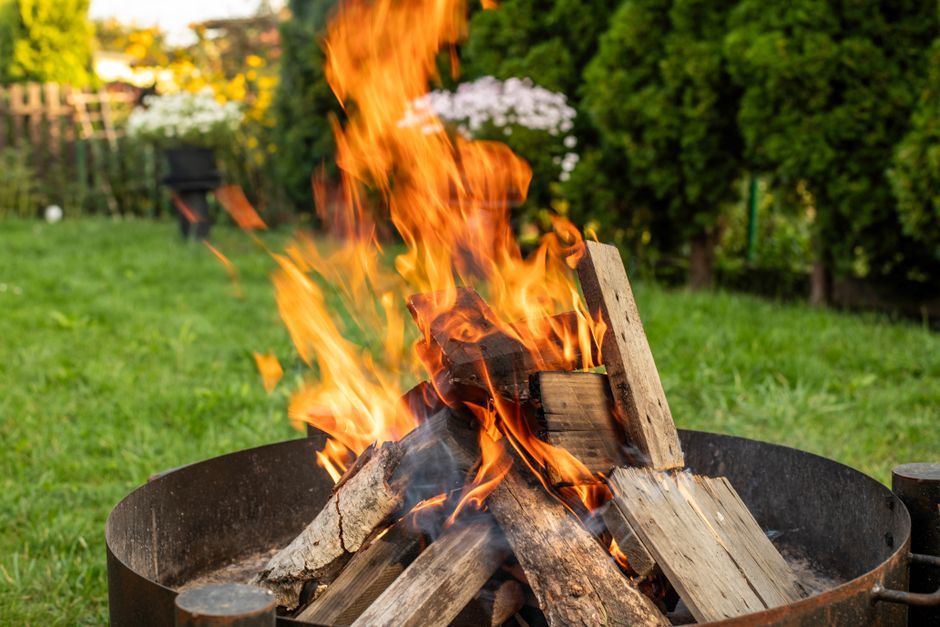
Gas fire pits produce a more controlled, predictable flame with an easy shutoff, which many homeowners consider safer for a yard with kids or pets, while wood-burning pits carry more risk from sparks, embers, and unpredictable flame height. Both require the same basic clearance from structures and overhanging trees regardless of fuel type.
Wind is a bigger safety factor for wood-burning fire pits specifically, since sparks and embers can travel further in gusty conditions than a gas flame does. New Orleans homeowners near St. Tammany Parish or Jefferson Parish tree lines should weigh this more heavily than someone with a more open, treeless yard.
A spark screen is a simple, low-cost way to reduce wood-burning fire pit risk without giving up the traditional experience entirely. It will not eliminate every ember, but it meaningfully cuts down on the chance of a stray spark reaching nearby dry grass, furniture, or landscaping during a windy evening.
Which Option Should You Choose for a Fire Pit Lounge?
The right choice comes down to how often the fire pit will be used, how much ongoing maintenance a homeowner wants to take on, and how central the traditional wood-burning experience is to what they want from the space. Frequent users who value convenience tend to prefer gas, while those who see fire pit nights as a specific, occasional experience often prefer wood.
Big Easy Outdoor Design walks through this decision as part of every fire pit lounge project, since the fuel choice affects placement, gas line planning, and the materials used around the fire feature. There is no universally correct answer, only the option that matches how a specific family plans to use the space.
Choosing between gas and wood-burning comes down to weighing convenience against tradition, and both options can anchor a great fire pit lounge when planned correctly. Big Easy Outdoor Design helps New Orleans homeowners make this call as part of a complete backyard design.
If you are ready to plan a fire pit for your backyard, contact Big Easy Outdoor Design to schedule a free design consultation.
Frequently Asked Questions
Is a gas fire pit cheaper than a wood-burning one to install?
Wood-burning fire pits are typically cheaper to install upfront, since they do not require a gas line connection or burner components. Gas fire pits cost more initially but reduce ongoing costs, particularly when connected to a natural gas line rather than propane.
Which fire pit type needs less cleaning?
Gas fire pits need less physical cleaning since they skip the ash and soot that come with burning real wood. They still require periodic burner and gas line inspection, which wood-burning pits do not need.
Are wood-burning fire pits banned in New Orleans?
There is no citywide ban on wood-burning fire pits, but local burn restrictions can apply during dry conditions or air quality advisories. Checking current local guidance before use is a good practice regardless of fuel type.
Can a gas fire pit be converted to wood-burning later?
Converting a gas fire pit to wood-burning is generally not straightforward, since the burner components and surrounding materials are built specifically for gas use. This is worth deciding upfront rather than planning to switch fuel types later.
Do gas fire pits produce real heat like a wood fire?
Yes, gas fire pits produce genuine radiant heat comparable to a wood fire of similar size, though some homeowners feel wood fires burn hotter and more variably. Both options provide effective warmth for a fire pit lounge on a cool evening.
Which fire pit option is better for frequent entertaining?
Gas fire pits tend to suit frequent entertaining better, since they light instantly and require no setup or ash cleanup between uses. Wood-burning pits can still work well for regular entertaining but require more preparation and cleanup around each gathering.
Get Expert Help Choosing Your Fire Pit in New Orleans
Whether gas or wood-burning fits your backyard best comes down to how often you will use it, how much upkeep you want to take on, and how central the traditional fire experience is to what you are after.
Big Easy Outdoor Design designs and builds outdoor living spaces across New Orleans, Metairie, Kenner, Slidell, Jefferson Parish, and St. Tammany Parish. Visit the homepage to see the full range of projects the team builds.
Ready to get started? Reach out or call 504-596-8647 to schedule your free design consultation.