Stamped concrete gets brought up in almost every patio conversation because it promises the look of stone or brick at a lower cost than the real material. That promise holds up in a lot of cases, but stamped concrete also comes with tradeoffs that matter more in a humid, storm-prone city like New Orleans than they might elsewhere.
Big Easy Outdoor Design builds patios across New Orleans using a range of materials, and stamped concrete is one of the options homeowners weigh most often against pavers and natural stone. The homepage at bigeasyoutdoordesign.com covers the patio service in full, and a free design consultation helps compare stamped concrete against other materials for your specific yard.
What Exactly Is Stamped Concrete?
Stamped concrete is poured concrete that gets textured and patterned with stamps while still wet, creating the look of stone, brick, tile, or wood at a fraction of the cost of those real materials. Color can be added through integral pigment mixed into the concrete or applied to the surface, giving homeowners a wide range of finish options.
The result is a single, continuous slab rather than individual units like pavers or natural stone tiles. That continuity gives stamped concrete a smooth, uninterrupted look that some homeowners prefer, though it also changes how the material behaves when repairs are eventually needed.
How Does Stamped Concrete Hold Up in New Orleans Humidity?
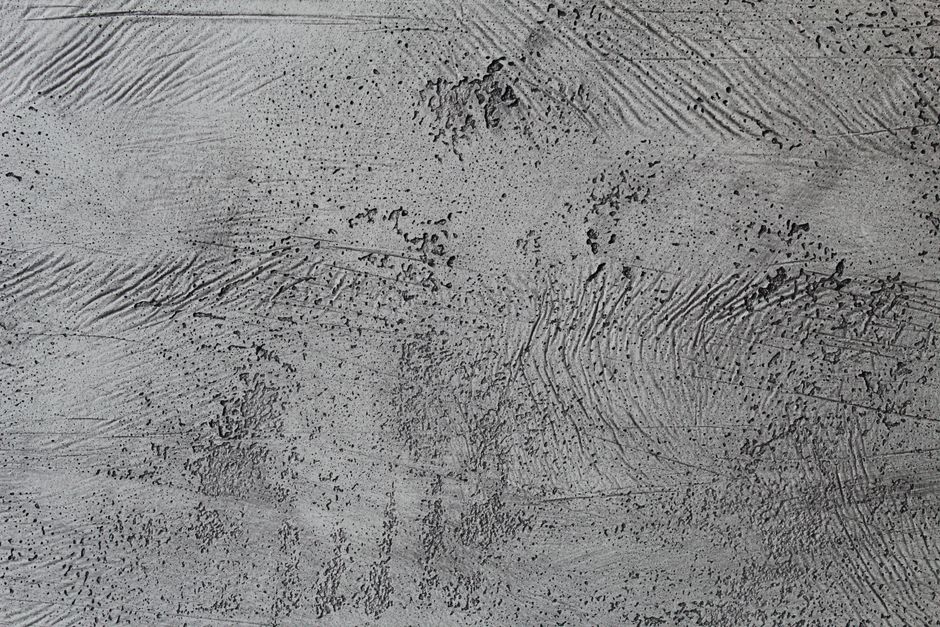
Properly sealed stamped concrete handles New Orleans humidity reasonably well, but the sealant needs reapplication every two to three years to prevent moisture from working into the surface and causing discoloration or scaling. Without regular sealing, humidity and standing water can gradually degrade the surface finish faster than in a drier climate.
Ground movement is a bigger long-term concern than humidity alone. New Orleans soil shifts more than soil in many other regions, and a concrete slab can develop cracks over time as the ground beneath it settles unevenly. A well-prepared base with proper compaction reduces this risk but does not eliminate it completely.
Standing water is another factor worth planning around. Concrete that does not slope properly away from the home can trap water against the slab’s edge, and repeated soaking speeds up the wear on both the sealant and the concrete underneath. Correct grading during installation matters just as much for stamped concrete as it does for any other patio material in a city that sees heavy rainfall regularly.
What Happens When Stamped Concrete Cracks?
A crack in stamped concrete is harder to repair invisibly than a cracked paver, since the entire slab is one continuous piece and color matching an aging patch to sun-faded original concrete rarely blends in cleanly. This is one of the most significant tradeoffs against pavers, where a single damaged piece can be swapped out individually.
Some cracking in concrete is considered normal over a long enough timeline, and control joints are placed during installation specifically to guide where cracks form if they happen, keeping them less visible. Still, homeowners considering stamped concrete should know that repairs are more visible than with a modular material like pavers.
The pattern chosen at installation can also affect how noticeable future cracks become. A busier, more textured pattern tends to hide small imperfections better than a simple, large-format pattern with fewer lines to break up a crack visually. This is worth discussing during the design phase if long-term appearance is a priority.
Is Stamped Concrete Slippery When Wet?
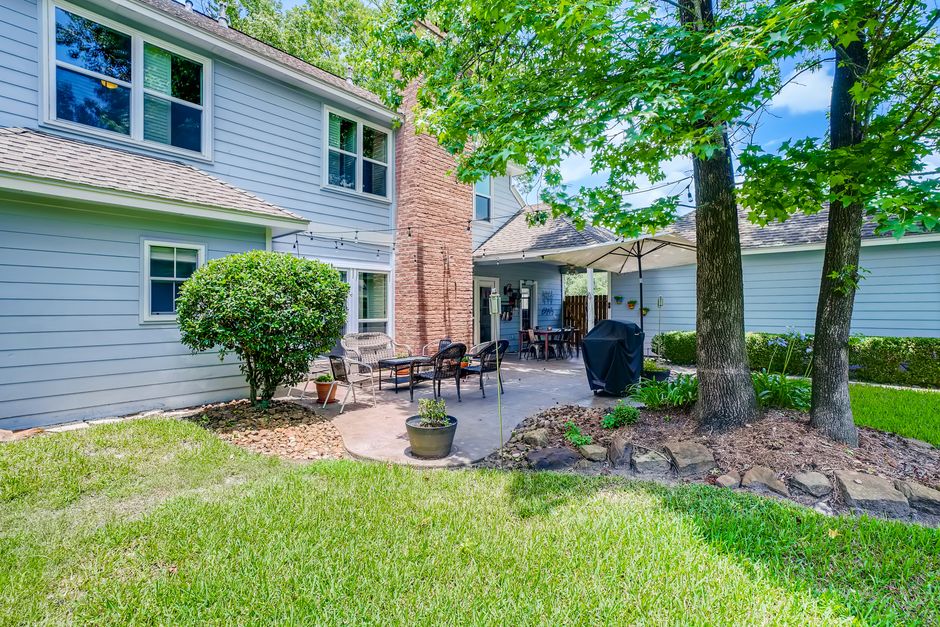
A properly finished stamped concrete surface includes texture from the stamping process itself, which provides meaningfully better traction than smooth poured concrete, though a topcoat sealer can reduce slip resistance if it is too glossy. Choosing a matte or low-sheen sealer over a high-gloss finish keeps the surface safer when wet.
This matters specifically around pool decks or any patio area that regularly gets wet, since a decorative finish that looks great dry can become a hazard after rain or splashing. Asking about the specific sealer’s slip rating before installation is a reasonable question for any patio contractor working with stamped concrete.
Some homeowners add a fine aggregate additive to the sealer for extra grip in high-traffic wet areas, which slightly changes the surface feel but noticeably improves traction. This is worth requesting specifically for any stamped concrete near a pool, outdoor kitchen sink, or other area that sees regular water exposure.
How Does Stamped Concrete Compare to Pavers on Cost?
Stamped concrete generally costs less upfront than pavers for a comparable patio size, since it avoids the labor of setting individual units, though the long-term cost gap narrows once resealing and potential crack repair are factored in. Pavers cost more initially but offer easier, cheaper spot repairs over the life of the patio.
The right choice often comes down to how a homeowner weighs upfront cost against long-term maintenance and repair flexibility. A homeowner planning to stay in a home for decades might value the easier repairs pavers offer, while someone focused on initial budget may prefer stamped concrete’s lower starting cost.
Installation timeline is another practical difference worth noting. A stamped concrete patio typically goes in faster than a comparable paver patio, since pouring and stamping a slab takes less time than setting individual units by hand. For homeowners on a tighter timeline, that speed can be a real factor alongside cost.
Stamped concrete offers a real, cost-effective way to get a decorative patio look, but it comes with maintenance and repair tradeoffs worth understanding upfront. Big Easy Outdoor Design walks through these tradeoffs honestly during every patio consultation, comparing stamped concrete against pavers and stone for your specific yard and budget.
If you are weighing stamped concrete against other patio materials, contact Big Easy Outdoor Design to schedule a free design consultation.
Frequently Asked Questions
How long does a stamped concrete patio last in New Orleans?
With proper sealing and maintenance, a stamped concrete patio can last several decades, though the exact lifespan depends on soil conditions, drainage, and how consistently it gets resealed. New Orleans ground movement makes proper base preparation especially important for longevity.
Does stamped concrete need to be resealed regularly?
Yes, most stamped concrete needs resealing every two to three years to protect the color and surface from humidity, sun exposure, and foot traffic. Skipping resealing accelerates fading and can lead to surface degradation over time.
Can a cracked stamped concrete patio be repaired?
Cracks can be patched, but matching the color and texture of aging, sun-faded concrete is difficult, so repairs are often visible. This is a key tradeoff to weigh against pavers, which allow individual pieces to be replaced more discreetly.
Is stamped concrete cheaper than pavers?
Stamped concrete typically costs less upfront than pavers for the same patio size, though pavers can be more cost-effective long term due to easier spot repairs. The better choice depends on your budget priorities and how long you plan to stay in the home.
Can stamped concrete be installed around a pool?
Yes, stamped concrete is a common choice around pools, but a matte or low-sheen sealer should be used to maintain slip resistance when the surface is wet. A high-gloss sealer can make the surface more hazardous near water.
What colors and patterns are available for stamped concrete?
Stamped concrete can mimic natural stone, brick, tile, or wood plank patterns, with color added through integral pigment or surface stains in a wide range of tones. Big Easy Outdoor Design can walk through pattern and color samples during a design consultation.
Get Expert Help Choosing Your Patio Material in New Orleans
Comparing stamped concrete against pavers and natural stone upfront helps you pick a patio material that fits your budget and how much upkeep you want to take on long term.
Big Easy Outdoor Design designs and builds outdoor living spaces across New Orleans, Metairie, Kenner, Slidell, Jefferson Parish, and St. Tammany Parish. Visit the homepage to see the full range of projects the team builds.
Ready to get started? Reach out or call 504-596-8647 to schedule your free design consultation.