 Jul 20, 2026
 Top Sunroom Design Trends for 2025 in New Orleans, LA
-
 By Admin
2025 sunroom design trends emphasize a smooth integration of indoor comfort w...
Read More
Talk to an Expert 504-596-8647

Choosing a patio material starts with matching your New Orleans home’s color palette, texture, and architectural style, not the other way around. Paver size and pattern change how large or intimate a space feels, while material formality should echo whether your home reads as a traditional shotgun cottage or a clean modern build. Climate and cost matter, but they come second to design fit.
At Big Easy Outdoor Design, we start every patio conversation with a question most homeowners skip: what does your house already tell you about the right material? A patio that ignores your home’s color, texture, and architectural style ends up reading like an afterthought bolted onto the house instead of a natural extension of it.
Homeowners often start with a material they like from a photo, then try to make it work with a home style it was never designed for. Working backward from your home’s existing design, instead of forward from a material sample, produces a patio that looks like it belongs, not one that competes for attention.
This guide walks through the design fundamentals, color and texture coordination, paver scale and pattern, and architectural style matching, that should shape your material decision before cost or durability enter the conversation. Contact us today to talk through your home’s style and the materials that will genuinely complement it.
Most patio projects start with a material search: browse pavers, compare stone finishes, pick a favorite from a supplier catalog. Design-led selection reverses that order, starting with what your home already tells you before any material gets shortlisted.
Your home’s brick, siding, trim, and roofline already carry a color story and a texture story. A patio material chosen without reading those cues risks competing with the house instead of completing it.
Warm brick or wood siding pairs naturally with warm-toned pavers in tan, red, or brown; grey or white siding opens the door to cooler tones like charcoal or blue-grey.
The goal is not an exact match, since a dead-on match can read flat. Staying in the same warm-or-cool family, a shade or two off, keeps the patio in visual conversation with the house.
Before any material gets picked, the patio’s purpose should be settled: a dining space, a lounge area, a walkway connector, or a combination. Function sets the footprint, which then determines which materials are practical.
A small dining patio off a kitchen door has different scale needs than a sprawling entertaining space built around an outdoor kitchen. Locking down purpose first, often mapped out through our patio design services, prevents the mistake of falling in love with a material and then forcing a layout to accommodate it.
The most common design misstep is choosing a material because it looked good in a showroom or on social media, then discovering it clashes with the home once installed. A pale, cool-toned porcelain paver can look striking in photos but feel out of place against a warm brick shotgun house. Working from the home outward, not the material inward, is what separates a custom-designed patio from one that looks dropped in.
Color and texture do more design work than most homeowners expect, often more than the material type itself. Getting these two elements right is what makes a patio feel intentional rather than accidental.
The most reliable color strategy pulls from what already exists on the home’s exterior. Brick, siding, trim, and roofline color all offer cues a patio material can echo.
A warm red-brick exterior calls for pavers in similar red, tan, or brown tones rather than cool grey. Homes with grey or white siding have more flexibility, since cooler paver tones read as complementary, not clashing.
This single principle, relate rather than replicate, resolves most color-matching questions before a single material sample gets ordered.
Two textures create depth; three or more competing textures usually create visual clutter. A smooth paver field paired with a rougher natural-stone border or accent band adds interest without overwhelming the eye.
The safest approach uses one primary texture for the bulk of the patio and reserves a second texture for edges, borders, or a single focal feature like a fire pit surround. Restraint matters more than variety here, since a busy surface competes with the architecture instead of supporting it.
Rougher, more irregular textures, like tumbled pavers or natural flagstone, soften a space and suit homes with organic, historic character. Smoother, more uniform textures, like honed concrete or large-format porcelain, sharpen a space and suit clean-lined, contemporary builds.
Neither option is inherently better; the right choice depends on whether the home’s existing architecture reads as soft and historic or crisp and modern. Matching texture to architecture keeps the whole property feeling like one cohesive design.
Pattern and size are design tools, not just installation details. The same material laid two different ways can make an identical patio feel larger, smaller, more formal, or more casual.
Large-format pavers and slabs reduce the number of visible joint lines, so a patio reads as one continuous, more open plane rather than a grid of small pieces. This effect suits smaller patios that need to feel bigger and pairs naturally with contemporary architecture, where clean lines and minimal detail are already part of the design language.
Smaller pavers, like cobble or traditional brick, allow tighter, more intricate patterns that read as classic and detailed rather than minimal. They suit homes with more ornamentation, like historic New Orleans cottages, where a busier, more textured ground plane complements the architecture instead of contrasting with it. The tradeoff is more visible joint lines, which can make a very small patio feel enclosed.
A running-bond or linear pattern laid parallel to the home extends the sense of length or width and tends to look calm and orderly. Herringbone and basketweave patterns run in multiple directions, adding visual energy and a cozier, more intimate feel that suits smaller patios wanting personality.
Diagonal layouts create a sense of movement and can make a rectangular space feel less boxy. The pattern choice should match the mood the rest of the home already sets.
New Orleans homes span a wide range of styles, from raised shotgun cottages to clean modern new-builds, and material formality should track that range.
| Home Style | Material Character That Fits | Example Pairing |
|---|---|---|
| Traditional shotgun or Creole cottage | Warm, irregular, detailed | Tumbled brick in a herringbone pattern |
| Brick or craftsman bungalow | Warm-toned, moderately textured | Clay-toned paver in a running-bond layout |
| Contemporary or modern build | Cool or neutral, minimal joints | Large-format concrete or porcelain slab |
| Raised Acadian-style home | Natural, varied, informal | Irregular flagstone with soft edges |
Square-cut layouts generally read more formal, while curved edges and irregular natural stone read more informal. If you are unsure which category your home falls into, our design team can walk the property with you before any material gets ordered.
Every material decision on this list, color, texture, scale, and formality, exists to make your patio feel like it was always meant to be there. At Big Easy Outdoor Design, we’ve walked New Orleans homeowners through this exact process, from raised shotgun cottages to newer builds, so the finished space reads as part of the house rather than an addition tacked onto it.
Getting the design right before the material gets ordered saves time, money, and the disappointment of a patio that never quite matches the house around it. Call us today to start with a design conversation about your home’s style, not just a materials list.
Start with your home’s existing brick, siding, and trim colors, then choose a paver or stone tone in the same warm or cool family rather than an exact match. Pair traditional homes with irregular stone or brick patterns and modern homes with large-format, clean-edged pavers for a cohesive look.
No, an exact color match often looks flat and unintentional. The stronger approach stays within the same warm or cool color family as your siding or brick, landing a shade or two off so the patio relates to the house without disappearing into it.
Large-format pavers or slabs reduce visible joint lines, which makes a small patio read as more open and continuous. Fewer seams create less visual interruption, so the eye reads the surface as one connected plane instead of a busy grid of small pieces.
Yes, material formality should generally match architectural formality rather than following personal preference alone. Contemporary homes pair well with large-format concrete or porcelain in clean, square-cut layouts, while older or ornamented homes typically suit irregular flagstone, tumbled pavers, or traditional running-bond brick patterns.
Yes, mixing two materials, like a paver field with a natural-stone border or accent band, can add depth without looking busy. Limiting a design to two textures rather than three or more keeps the space cohesive instead of visually cluttered.
Choose a patio material that relates to your interior flooring in tone, scale, or texture rather than matching it exactly, and keep the sightline from your main living area to the patio clear of bulky furniture or obstructions. That visual continuity is what makes the space feel like one extended room.
Traditional shotgun cottages and Creole-style homes generally pair well with brick running-bond or herringbone patterns, since smaller units and busier joint lines echo the home’s historic detailing. These patterns also suit narrower New Orleans lots, where a more intricate ground plane adds visual interest.
A commonly used design guideline caps a patio at roughly 10 to 20 percent of the total backyard area, though the right size ultimately depends on how the space will be used. A dining-only patio needs less room than a combined lounge and outdoor kitchen layout.
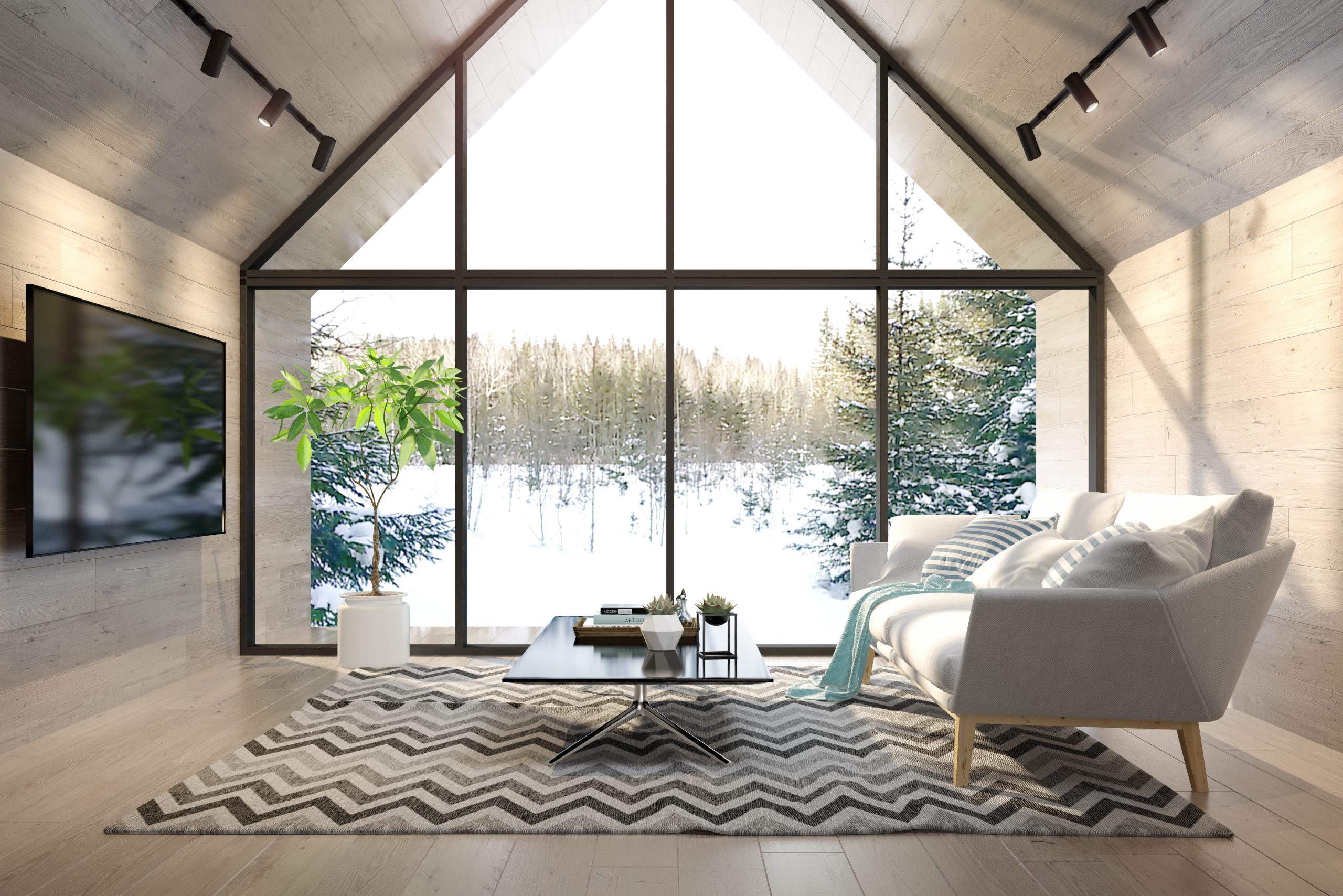 By Admin
 2025 sunroom design trends emphasize a smooth integration of indoor comfort w...
Read More
Small backyards in New Orleans can be transformed into functional, stylish ou...
Read More
Wood deck maintenance in New Orleans requires cleaning twice a year, sealing ...
Read More
A sunroom expands living space while bringing in natural light, making it a c...
Read More
New Orleans is made for outdoor living. Long warm evenings, lush garden...
Read More
In most cases, yes, a pergola in New Orleans may require a building permit, e...
Read More