 Jul 20, 2026
 Top Outdoor Design Trends for 2024: Creating a Stylish and Functional Backyard in New Orleans, LA
-
 By Admin
As 2024 nears, outdoor spaces are getting a major makeover, ditching old styl...
Read More
Talk to an Expert 504-596-8647

In most cases, yes, a pergola in New Orleans may require a building permit, especially if it is attached to your home or exceeds certain size and height thresholds set by local code. Requirements vary by parish and structure type, so you should always verify with the City of New Orleans Department of Safety and Permits or a licensed contractor before you build.
A pergola can transform a plain backyard into a shaded retreat, but before the first post goes in the ground, one question comes up again and again: do you need a permit? The honest answer is that it depends. New Orleans follows the Louisiana State Uniform Construction Code along with local ordinances, and whether your pergola needs a permit hinges on factors like size, height, whether it attaches to your house, and where it sits on your property.
Because permit rules are enforced at the city and parish level, two neighbors in different parishes can face different requirements for nearly identical structures. That is why the safest path is to treat every project as if it may need review. At Big Easy Outdoor Design, we build outdoor structures across the greater New Orleans area, and we always confirm local requirements before breaking ground. If you want a professional read on your specific lot, you can reach our team through our contact page.
Permits are not just paperwork. In a city that sits below sea level and takes regular hits from tropical storms and hurricanes, structural rules protect your investment and your safety. Wind load requirements, footing depth, and anchoring standards all matter when a summer storm rolls through. A pergola that meets code is far more likely to survive a gusty afternoon than one thrown together without oversight.
Permitting also protects your property value and your future sale. Unpermitted work can surface during a home inspection or appraisal, complicating a sale and sometimes forcing costly retroactive corrections. Louisiana building code exists to keep backyard structures safe, and following it keeps your records clean. If you are weighing several backyard upgrades at once, our guide to design ideas for compact New Orleans backyards can help you prioritize.
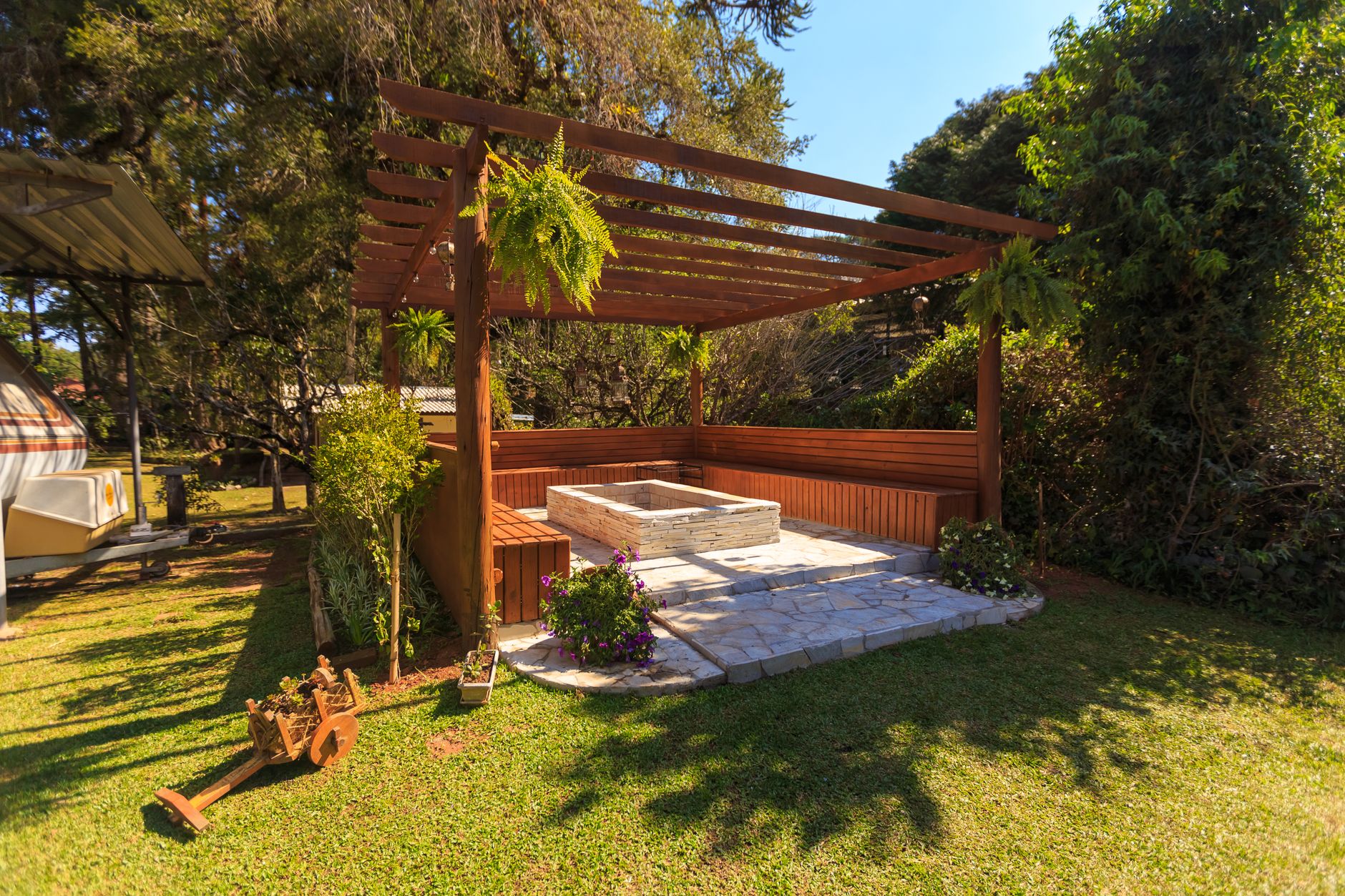
Several variables push a pergola from “no permit needed” into “permit required” territory. The most common triggers include:
Attachment to your home. A pergola bolted to your house is generally treated as an addition and almost always requires a permit, since it affects the existing structure and its load paths.
Size and height. Many jurisdictions exempt small, low freestanding structures below a certain square footage, but larger pergolas usually need review. Height near or above a defined threshold often triggers a permit as well.
Foundations and electrical. If your pergola sits on concrete footings, includes wiring for lights or fans, or ties into gas for a heater, those elements typically require permits and inspections on their own.
Setbacks, easements, and historic districts. New Orleans has many historic neighborhoods with additional design review through bodies like the Historic District Landmarks Commission. Placement relative to property lines and easements matters too.
Different backyard structures carry different permit expectations. A freestanding arbor is a much lighter lift than a fully framed gazebo with a solid roof. The table below offers a general guide, but remember that these are starting points, not guarantees. Local codes vary, and you should verify with the city before you build. If you are still comparing structure styles, our team covers the design differences on our pergolas and gazebos service page.
| Structure Type | Typically Requires Permit | Key Factors |
|---|---|---|
| Attached pergola | Usually yes | Connects to home structure, affects load paths, treated like an addition |
| Freestanding pergola | Often, depends on size | Square footage, height, footings, electrical, setbacks |
| Arbor | Often no | Small footprint and low height may fall under exemptions |
| Gazebo | Usually yes | Solid roof, larger footprint, foundation, sometimes electrical |
| Shade sail | Often no | Depends on anchoring, size, and whether posts are permanent |
Use this as a conversation starter with your contractor or the permit office, not as a final ruling. The details of your lot, your neighborhood, and your design can shift the answer. When in doubt, ask before you build.
The cleanest path starts with a plan. Sketch your pergola with dimensions, note the location on your lot, and identify whether it will attach to the house or include electrical. With those details in hand, a call to the City of New Orleans Department of Safety and Permits gets you a straight answer on what is required. Timelines and fees vary depending on the scope of work and current workload, so we avoid quoting exact numbers and instead recommend confirming directly with the city.
Working with a licensed contractor takes the guesswork out of the process. A pro who builds in the area regularly already understands local wind load standards, footing requirements, and the review steps for historic districts. That experience helps your project move faster and pass inspection the first time. Many homeowners pair a pergola with other upgrades, and our work on patios often begins with the same code conversation. The team at Big Easy Outdoor Design handles permitting details as part of a full design build, so you are not left decoding ordinances alone.
If you are drawing inspiration before committing, browsing current styles helps. Our roundup of outdoor design trends and our steps for creating a simple patio layout both pair naturally with a pergola project. With a smart plan and the right partner, Big Easy Outdoor Design makes the permit path feel far less intimidating, and you can call us anytime at (504) 596-8647.
In many cases yes, particularly for attached pergolas or larger freestanding structures. Requirements depend on size, height, attachment, and location, so you should confirm with the City of New Orleans Department of Safety and Permits or a licensed contractor before building.
Many jurisdictions exempt small, low freestanding structures below a certain square footage and height, but the exact threshold varies by parish. Because these limits differ locally, you should verify the current exemption size with the city before assuming your pergola qualifies.
Permit fees vary based on project scope, valuation, and the parish handling the review. We do not quote a fixed figure because rates change, so contact the permit office or your contractor for a current estimate tied to your specific plans.
Timelines range from a few days to several weeks depending on the review type, whether historic district approval is needed, and the current workload at the permit office. A licensed contractor familiar with local processes can often help the application move more smoothly.
Only if your structure clearly falls under a local exemption, such as a very small freestanding pergola with no electrical or foundation. Building without a required permit can lead to fines, forced removal, or problems when selling your home, so verify first.
Yes, permit requirements are enforced locally, so two parishes can have different rules for similar structures. Always confirm the specific regulations for your address, since historic districts and neighborhood associations may add further review.
 By Admin
 As 2024 nears, outdoor spaces are getting a major makeover, ditching old styl...
Read More
The best patio material for a New Orleans home depends on budget, structural ...
Read More
Creating a sunroom is about maximizing natural light while maintaining energy...
Read More
Creating a beautiful patio layout requires thoughtful design and planning. A ...
Read More
Choosing a patio material starts with matching your New Orleans home's color ...
Read More
The easiest way to build a low maintenance backyard in New Orleans is to redu...
Read More