
If your pressure-treated deck was built before 2004, it may contain CCA treated wood, a preservative made with chromium, copper, and arsenic. The EPA says manufacturers stopped making CCA-treated wood for homeowner uses in December 2003, and it does not require existing decks to be removed. Sealing the wood regularly may reduce leaching, and old boards should never be burned or turned into mulch.
Plenty of older New Orleans homes have a wood deck that has seen a few decades of sun and rain. If yours is one of them, you may have heard that older pressure-treated lumber contains arsenic. The concern is real enough to understand, and simple enough to manage once you know the facts.
At Big Easy Outdoor Design, we often talk with homeowners who are deciding whether to repair an aging deck or start over. This guide uses the EPA’s own guidance to explain what CCA is, how to handle it, and what to consider for a replacement.
What Is CCA Treated Wood?
CCA stands for chromated copper arsenate. The EPA describes chromated arsenicals as pesticides containing chromium, copper, and/or arsenic that protect wood against termites, fungi, and other pests. They have been used as wood preservatives since the 1940s.
The preservative is not brushed on at a job site. According to the EPA, it is applied with high-pressure equipment in wood treatment facilities, which is where the term pressure-treated comes from.
Today, CCA-treated wood is still made for commercial products such as utility poles, posts, pilings, and permanent foundation support beams. It is no longer sold for the decks, playsets, and other home projects where it was once common.
How Can You Tell If Your Deck Might Contain CCA?
The build date is the most useful clue. The EPA says CCA-treated wood was used in residential structures such as decks and playsets before 2004. In December 2003, manufacturers voluntarily stopped making CCA-treated wood products for homeowner uses.
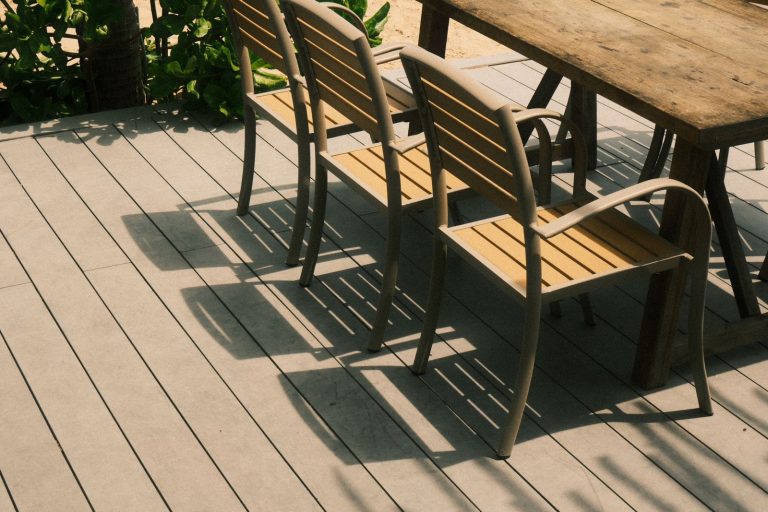
A pressure-treated deck built in 2004 or later is unlikely to be CCA lumber bought new for the job. A deck from the 1990s or earlier is a different story, especially if the original boards and framing are still in place.
Some decks have also been patched over the years. A newer set of boards can sit on top of original framing, so the posts and joists may be older than the surface you walk on.
Look for paperwork if you have it. Permit records, a past inspection report, or notes from the previous owner can help date the deck. If you cannot pin down the age, treat old pressure-treated wood with the same care the EPA recommends for CCA.
Do You Have to Tear Out an Older CCA Deck?
No. The EPA does not require the removal of existing structures made with CCA-treated wood, or of the soil around them. The agency also says it did not find health risks of concern for the general public in its review.
The EPA’s worker concerns center on wood treatment facilities, where chromated arsenicals pose cancer and non-cancer risks to the people applying them. For homeowners, the agency’s advice focuses on upkeep, careful handling, and proper disposal.
The bigger question for most older decks is structural. Soft boards, loose railings, and rusted fasteners are reasons to act no matter what preservative was used. Our list of signs your deck needs repair or replacement covers what to look for.
How Should You Care for an Older Treated Deck?
Keep it sealed. The EPA says that applying a penetrating protective coating, such as an oil-based or water-based stain, on a regular basis may reduce the leaching of chemicals from CCA-treated wood.
A few habits round out the EPA’s guidance for homeowners:
- Wash your hands after handling treated wood.
- Wear goggles and a dust mask when sawing CCA-treated wood.
- Do not burn CCA or other treated wood at home, since the smoke and ash can carry toxic chemicals.
- Do not reuse old treated wood in products such as mulch.
The same care applies to other older treated wood in the yard. The EPA names playsets alongside decks as residential uses before 2004, so an aging wooden play structure deserves the same sealing and hand-washing habits.
Routine maintenance matters for any wood deck in this climate. Our guide on how to maint