
Building an outdoor kitchen in New Orleans isn’t the same as building one in Phoenix or Denver. Louisiana’s climate is its own beast — relentless summer heat, extreme humidity that hovers near 90% for months on end, heavy seasonal rainfall, UV radiation that fades and warps lesser materials, and the occasional hurricane that puts every outdoor structure to the test. If you want your outdoor kitchen to last and look great for decades, material selection isn’t just important — it’s everything.
At Big Easy Outdoor Design, we work exclusively in Southeast Louisiana, and we’ve seen firsthand which materials hold up and which ones fail. This guide breaks down the best choices for every component of your outdoor kitchen, so you can invest wisely and enjoy your space year after year.
Why Louisiana’s Climate Demands Special Attention
Before diving into materials, it helps to understand what you’re actually protecting against:
- Humidity: New Orleans regularly sees relative humidity levels of 73–79% during summer months, with peak humidity in July. Moisture is the enemy of wood, certain metals, and porous stone that isn’t properly sealed.
- Heat: Summer temperatures routinely reach the upper 80s to low 90s°F, with heat indices that can push past 105°F. Materials need to resist thermal expansion, UV fading, and surface degradation.
- Rainfall: The city averages around 62 inches of rain per year — nearly double the national average. Standing water and repeated wet-dry cycles stress materials that aren’t fully weatherproof.
- Salt Air: Homes closer to Lake Pontchartrain, the Gulf, or the bayous deal with salt-laden air that accelerates corrosion on metals and finishes.
- Hurricanes and Tropical Storms: Wind-driven rain and debris require structural integrity and water-tight finishes throughout.
The right materials check all of these boxes. Here’s what we recommend.
Best Frame and Structure Materials
The frame is the foundation of your outdoor kitchen. Get this wrong, and nothing else matters.
Concrete Masonry Units (CMU / Concrete Block)
Concrete masonry is the gold standard for outdoor kitchens in Louisiana. CMU block construction is impervious to moisture, won’t corrode, won’t rot, and has essentially no climate vulnerability. Unlike wood-framed structures, there’s no risk of mold spreading through the framing, and CMU can bear significant weight — important for heavy granite or concrete countertops.
CMU is also structurally sound enough to withstand the wind loads associated with tropical storms when properly built and anchored. For a permanent, heirloom-quality outdoor kitchen in Southeast Louisiana, masonry construction is the recommended choice.
Galvanized Steel Studs
Steel stud framing is a faster, lighter alternative that works well when properly treated and finished. The key word is galvanized — untreated metal framing in Louisiana’s humidity will corrode over time. Galvanized or powder-coated steel studs resist rust far better and are a viable option for modular or semi-permanent setups. That said, even galvanized steel requires a high-quality exterior finish (stucco, stone veneer, or cement board) to prevent moisture infiltration into the structure.
For the humid Louisiana environment, we generally recommend masonry framing for its unmatched longevity, with galvanized steel as a practical alternative for certain designs.
Best Countertop Materials
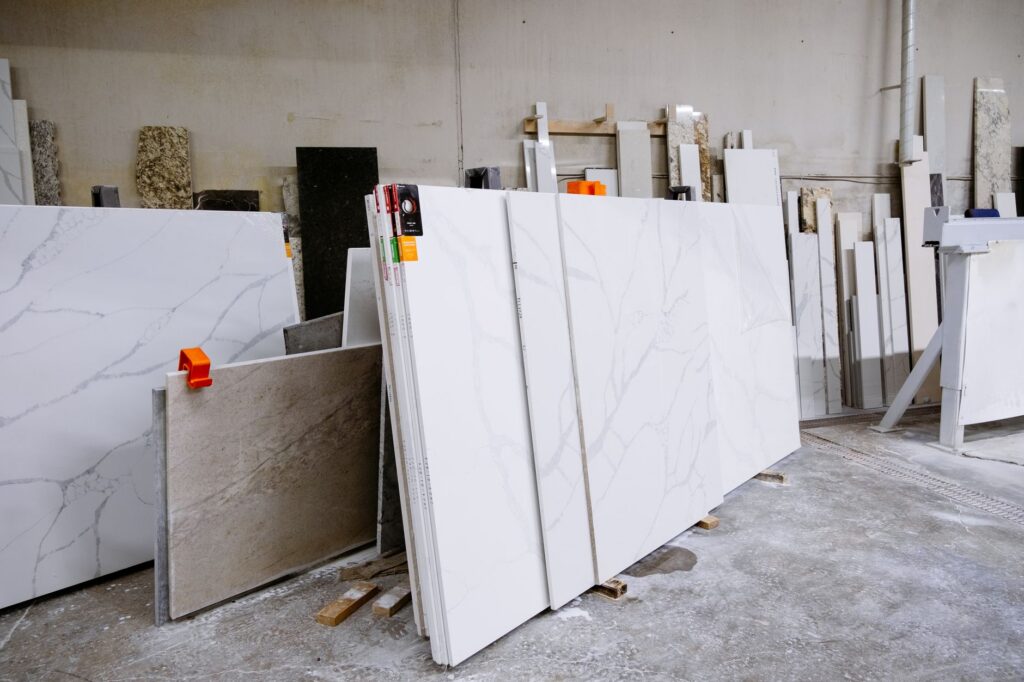
Your countertop takes the brunt of heat, UV rays, moisture, food prep, and the occasional dropped cast iron skillet. In Louisiana, these are our top picks.
Porcelain Slabs (Including Dekton and Similar Ultra-Compact Surfaces)
Porcelain slabs — and engineered ultra-compact surfaces like Dekton — have become among the most popular outdoor countertop choices for good reason. They are completely non-porous, meaning humidity, mold, mildew, and bacteria have nowhere to take hold. They resist UV fading, handle extreme temperature changes without cracking, and require virtually no maintenance beyond wiping them clean.
For Louisiana homeowners who want a low-maintenance, high-performance surface that looks stunning, porcelain or ultra-compact slabs are a top-tier choice.
Granite
Granite remains one of the most popular outdoor countertop materials for good reason. It’s exceptionally hard, heat-resistant, scratch-resistant, and — when properly sealed — holds up beautifully against Louisiana’s humidity and rainfall. Most outdoor granite installations should be resealed approximately once a year to maintain their non-porous protection against staining and mold.
Granite offers a natural aesthetic that complements both traditional and modern outdoor kitchen designs, and it’s widely available through local suppliers in the New Orleans metro area.
Concrete
Poured-in-place concrete countertops offer a custom, artisanal look that many homeowners love. However, concrete is porous and requires regular sealing — typically every one to two years — to prevent staining, chipping, and moisture penetration in humid climates. When properly maintained, concrete countertops are durable and beautiful. If you’re not prepared for the upkeep, consider porcelain or granite instead.
What to Avoid
Natural quartzite (not to be confused with engineered quartz) can perform well outdoors but varies significantly by stone quality. Engineered quartz (like Silestone or Caesarstone) is generally not recommended for outdoor use in direct sun — resins in the material can degrade under prolonged UV exposure, causing discoloration and structural breakdown.
Best Cabinet and Storage Materials
Outdoor cabinets in Louisiana face constant humidity, direct rain, and UV exposure. Standard indoor cabinetry — even sealed wood — will warp, delaminate, and rot within a few years.
Marine-Grade HDPE (High-Density Polyethylene)
HDPE is an exceptional cabinet material for Louisiana’s climate. Originally developed for marine applications (hence “marine-grade”), HDPE resists mold, mildew, fungi, moisture, and UV rays without any sealing or treatment required. It’s virtually maintenance-free, won’t swell or crack, and is available in a range of colors and finishes. For homeowners who want hassle-free outdoor cabinetry, HDPE is hard to beat.
316 Stainless Steel
Stainless steel cabinetry — particularly 316-grade, which contains molybdenum for extra corrosion resistance — thrives in coastal and humid environments. It won’t rust, won’t absorb moisture, and is easy to sanitize. It pairs naturally with outdoor grills and appliances for a clean, professional kitchen aesthetic. The trade-off: stainless steel can show fingerprints and water spots easily and may feel hot to the touch in direct summer sun.
Powder-Coated Aluminum
Aluminum frames with powder-coated finishes offer a lightweight, rust-resistant option that performs well outdoors. The powder coat protects the metal from corrosion and UV degradation. This material is commonly used in high-end outdoor kitchen systems and furniture throughout the Gulf Coast region.
Best Flooring Materials
The floor beneath your outdoor kitchen needs to handle spills, heavy furniture, foot traffic, and Louisiana’s relentless rain without becoming a slip hazard or deteriorating.
Porcelain Pavers
Porcelain pavers are one of the best flooring choices for outdoor kitchens in Southeast Louisiana. Non-porous and manufactured at high temperatures, they resist staining, moisture penetration, and UV fading. Most outdoor porcelain is available with textured surfaces that provide excellent slip resistance — essential in a region where wet conditions are frequent. Porcelain pavers are also frost-resistant, though that’s less of a concern in the New Orleans area.
Travertine
Travertine is a naturally beautiful paver that’s popular in Louisiana for patios and outdoor kitchens. Its permeable surface and natural texturing provide natural slip resistance and stays cooler underfoot than darker materials in direct sun. The caveat: travertine is porous and should be sealed in humid climates to prevent moss, mold, and staining from taking hold in the stone’s natural pits.
Concrete Pavers
Concrete pavers are a cost-effective, durable, and widely available option for outdoor kitchen flooring. Available in countless colors and patterns, they stand up well to Louisiana’s climate when properly installed with appropriate drainage. They’re easy to replace individually if one becomes damaged — a practical advantage for long-term outdoor spaces.
Finishing and Cladding Materials
Once the frame is built, the exterior finish protects it from the elements and defines the look of your outdoor kitchen.
- Stucco is a classic and practical choice for CMU-framed kitchens — weather-resistant, paintable, and well-suited to Louisiana’s architectural traditions.
- Stone veneer (natural or manufactured) adds texture and character, standing up well to outdoor conditions when properly installed with weather-resistant mortar and sealant.
- Cement board panels offer a clean, modern look and are 100% moisture-resistant — ideal for steel-framed structures that need a weather barrier before the finish layer is applied.
Build Your Outdoor Kitchen the Right Way with Big Easy Outdoor Design
Louisiana’s climate is demanding — but it doesn’t have to limit your outdoor living dreams. With the right materials and expert guidance, you can have an outdoor kitchen that looks stunning on day one and remains beautiful and functional for twenty years.
Ready to start planning? The team at Big Easy Outdoor Design specializes in outdoor kitchens built specifically for the New Orleans climate. We know which materials perform, which ones fail, and how to design a space that suits your lifestyle and your lot. Schedule a free design consultation today and let’s build something that lasts.
Frequently Asked Questions
Does granite hold up in Louisiana’s humidity?
Yes — granite is one of the best countertop choices for Louisiana outdoor kitchens. It’s naturally dense and heat-resistant. The key is annual resealing to maintain its non-porous surface and protect against mold and staining in humid conditions.
What’s the most low-maintenance outdoor kitchen material for New Orleans?
For countertops, porcelain slabs or ultra-compact surfaces like Dekton require the least maintenance — no sealing needed. For cabinets, marine-grade HDPE is virtually maintenance-free. Combine these with a CMU frame and porcelain paver flooring for an outdoor kitchen that practically takes care of itself.
Can I use wood in my outdoor kitchen?
Natural wood is generally not recommended for structural or cabinetry use in Louisiana’s climate. Even treated wood can warp, rot, or become a mold host over time. If you love the wood aesthetic, consider composite decking materials or teak — both of which resist moisture far better than traditional lumber.
How do I protect my outdoor kitchen from hurricane season?
Material selection is your first line of defense. CMU construction, stainless steel or HDPE cabinets, and porcelain countertops and flooring are all highly weather-resistant. You should also invest in quality covers for appliances, ensure proper drainage around the structure, and consider a pergola or roof covering to reduce direct exposure.
Is stainless steel good for outdoor countertops in Louisiana?
Stainless steel performs better as an appliance material than a countertop surface in Louisiana. While it’s non-porous and corrosion-resistant (especially 316-grade), it absorbs and radiates heat in direct sun, can become dangerously hot to the touch, and shows every fingerprint and water spot. We recommend stainless steel for grill surrounds and appliances, and porcelain or granite for countertops.
There’s something about cooking outside in New Orleans that just makes sense. Between the long, warm evenings, the culture of gathering around good food, and backyards that beg to be used year-round, an outdoor kitchen feels less like a luxury and more like a natural extension of how we live down here. Whether you’re flipping burgers for a casual crawfish boil crowd or plating a full Creole spread under the stars, the right outdoor kitchen turns your backyard into the best room in the house.
The good news? You don’t need a massive budget to make it happen. Outdoor kitchens work at every price point, and with smart planning, even a modest setup can deliver serious results. Here’s a look at outdoor kitchen ideas for New Orleans homes — from budget-friendly builds to full luxury installations — along with what to consider when designing for our unique Louisiana climate.
Budget-Friendly Outdoor Kitchens (Under $5,000)
Starting an outdoor kitchen doesn’t require a second mortgage. A well-planned budget setup in the $3,000 to $5,000 range can give you a functional cooking station that handles everything from weeknight dinners to weekend get-togethers.
At this level, you’re looking at a prefabricated grill island paired with a quality gas or charcoal grill. Prefab islands come ready to assemble and often include built-in storage, a countertop surface, and space for a small refrigerator. Materials like ceramic tile countertops and stucco-finished bases keep costs low while still holding up well in New Orleans’ humid, rain-prone climate.
Tips for Stretching Your Budget
Keep your layout simple with a single straight-line or L-shaped counter. Focus your spending on a reliable grill — it’s the workhorse of any outdoor kitchen — and save on accessories you can always add later. A portable outdoor bar cart, string lighting, and a few weather-resistant bar stools can round out the space without breaking the bank.
Even at this price point, make sure your setup includes a cover or shade structure. New Orleans gets roughly 64 inches of rain per year, so a basic patio umbrella or a simple corrugated metal roof over your grill area protects your investment and keeps you cooking through afternoon storms.
Mid-Range Outdoor Kitchens ($10,000–$25,000)
This is where things get exciting. A mid-range outdoor kitchen in the $10,000 to $25,000 range opens up custom layouts, better materials, and room for the extras that make outdoor cooking genuinely enjoyable.
At this level, expect a custom-built island with durable construction — typically a steel or concrete block frame finished with natural stone, brick, or stacked stone veneer. For countertops, granite and sealed concrete are popular choices in Southeast Louisiana because they resist moisture absorption and stand up to heat without cracking or staining.
What a Mid-Range Budget Gets You
A solid mid-range setup typically includes a built-in gas grill (brands like Weber, Bull, or Blaze are popular in this tier), an outdoor-rated refrigerator, a sink with running water, and ample counter space for prep work. You might also add a side burner — perfect for boiling crawfish or simmering a pot of gumbo right alongside your main cooking station.
This budget also allows for better layout options. An L-shaped or U-shaped island creates natural flow between cooking and serving areas, and you can incorporate a raised bar top for casual seating. If your backyard space is smaller — which is common in neighborhoods like the Garden District, Mid-City, and Lakeview — a galley-style layout maximizes every square foot.
Don’t forget about lighting and electrical. Running a dedicated circuit to your outdoor kitchen powers everything from refrigerators to accent lighting, and it’s much easier to include during the build than to retrofit later.
Luxury Outdoor Kitchens ($30,000 and Up)
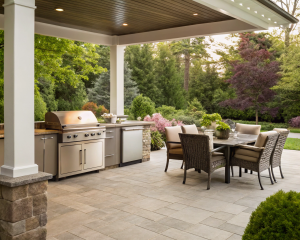 For homeowners ready to create a true showpiece, a luxury outdoor kitchen transforms your backyard into an entertainer’s paradise. At $30,000 to $65,000 or more, these builds are fully custom and designed to rival — or surpass — your indoor kitchen in both form and function.
Luxury outdoor kitchens in the New Orleans area often feature premium natural stone countertops like soapstone or quartzite, commercial-grade stainless steel appliances, built-in pizza ovens, smokers, kegerators, and full wet bars. High-end cabinetry built from marine-grade polymer or stainless steel ensures everything holds up against Louisiana’s humidity without warping, rusting, or deteriorating.
Designing for New Orleans Entertaining
New Orleans homeowners who invest at this level typically integrate the kitchen into a complete outdoor living space — think covered pavilions with ceiling fans, outdoor fireplaces, sound systems, and comfortable lounge areas. A pergola or fully roofed structure with a vaulted ceiling adds architectural drama while providing critical protection from both sun and rain.
Smart technology is also making its way into high-end outdoor kitchens. Wi-Fi-enabled grills, app-controlled lighting, and built-in Bluetooth speakers let you manage everything from your phone while you entertain. Automated retractable screens can close off the space during cooler months or stormy weather, extending your usable season even further.
Designing for New Orleans’ Climate
No matter your budget, the single most important factor in designing an outdoor kitchen in New Orleans is planning for the weather. Our subtropical climate delivers high humidity, intense summer heat, heavy rainfall, and the occasional hurricane — all of which affect material choices, layout, and long-term durability.
Material Recommendations for Louisiana
Stainless steel is the gold standard for outdoor kitchen appliances and hardware in humid climates because it resists rust and corrosion. For structural elements, stone, brick, and sealed concrete are top performers. They handle heat well and hold up against moisture, though they do require periodic sealing to prevent water absorption — especially important given our average annual rainfall.
Avoid materials that trap moisture or degrade quickly in humidity. Untreated wood, laminate countertops, and standard indoor cabinetry will deteriorate fast in a New Orleans backyard. Instead, opt for weather-resistant composites, marine-grade polymers, or naturally rot-resistant hardwoods like cypress — a Louisiana favorite that’s both beautiful and durable.
Drainage and Ventilation
Proper drainage around your outdoor kitchen prevents standing water, which accelerates wear on any material and creates mosquito-breeding conditions nobody wants. Make sure your design professional accounts for grading, drainage channels, and adequate ventilation around enclosed cooking areas, especially if you’re building under a covered structure.
2026 Outdoor Kitchen Trends Worth Considering
Whether you’re building on a budget or going all-out, a few current trends are shaping how New Orleans homeowners approach outdoor kitchens this year. Modular systems are gaining popularity for their flexibility — you can start small and expand over time as your budget allows. Sustainable materials like recycled concrete and reclaimed wood are also trending, reducing environmental impact while delivering a distinctive aesthetic.
The biggest shift, though, is the move toward fully integrated outdoor living spaces. The outdoor kitchen of 2026 isn’t a standalone island sitting on a patio — it’s the anchor of a complete entertainment zone that flows naturally from your indoor space to your backyard.
Ready to Design Your Dream Outdoor Kitchen?
Whether you’re starting with a simple grill station or envisioning a fully loaded outdoor living space, Big Easy Outdoor Design can help bring your vision to life. We specialize in outdoor kitchens designed specifically for New Orleans homes and built to thrive in Louisiana’s climate. Contact us today for a free design consultation and let’s start planning the backyard you’ve always wanted.
Frequently Asked Questions
How much does an outdoor kitchen cost in New Orleans?
Outdoor kitchen costs in New Orleans vary widely based on size, materials, and features. Budget setups start around $3,000 to $5,000 for a prefab island and grill. Mid-range custom builds typically run $10,000 to $25,000, while luxury installations with premium materials and full amenities can range from $30,000 to $65,000 or more. Labor costs in the Southeast generally run lower than coastal markets in the Northeast or West Coast.
What materials work best for outdoor kitchens in Louisiana’s humidity?
Stainless steel, natural stone, sealed concrete, and weather-resistant composites are the best choices for Louisiana’s humid climate. These materials resist rust, corrosion, and mildew. For cabinetry, marine-grade polymer or stainless steel outperforms wood in high-humidity environments. If you prefer a wood look, cypress is a locally sourced hardwood with natural rot resistance.
Do I need a covered structure for my outdoor kitchen in New Orleans?
A covered structure is highly recommended for any outdoor kitchen in the New Orleans area. With approximately 64 inches of annual rainfall and intense summer sun, a pergola, pavilion, or patio cover protects your appliances, extends the life of your countertops, and makes the space usable in virtually any weather condition.
Can I build an outdoor kitchen in a small New Orleans backyard?
Absolutely. Many New Orleans neighborhoods feature compact lots, but a well-designed galley-style or straight-line outdoor kitchen can fit in surprisingly tight spaces. A single island with a built-in grill, small refrigerator, and prep counter can work in a space as narrow as 4 feet deep by 8 feet wide.
What’s the best time of year to build an outdoor kitchen in New Orleans?
Fall and early spring are ideal for outdoor kitchen construction in Southeast Louisiana. The weather is mild, humidity is lower, and you’ll have the space ready for peak entertaining season. Building during summer is possible but can involve weather delays from afternoon thunderstorms and extreme heat.
Small backyards in New Orleans can be transformed into functional, stylish outdoor spaces with the right design strategies. By maximizing space, incorporating vertical elements, and choosing climate-appropriate features, homeowners can create high-impact outdoor environments. This guide explores practical and creative solutions tailored for compact urban yards.
Designing a small backyard in New Orleans presents a unique opportunity rather than a limitation. With the city’s vibrant culture, subtropical climate, and emphasis on outdoor living, even the most compact spaces can be transformed into inviting, high-functioning retreats. At Big Easy Outdoor Design, we specialize in turning tight outdoor areas into beautiful extensions of your home that reflect both personality and practicality.
Whether you’re working with a narrow courtyard in the French Quarter or a modest backyard in a residential neighborhood, strategic planning and smart design choices can help you maximize every square foot.
This guide will walk you through innovative ideas and expert strategies to help you achieve a stunning outdoor space without compromising on comfort or style.
Understanding the Challenges of Small New Orleans Yards
New Orleans backyards often come with spatial and environmental constraints. Limited square footage, humidity, heavy rainfall, and occasional flooding all play a role in how outdoor spaces should be designed. Homes in historic districts may also face zoning or preservation guidelines, which can restrict structural changes.
Despite these challenges, compact yards offer an advantage: they are easier to maintain and can be designed with greater intention. The key is to approach the space with a focus on efficiency, layering, and adaptability.
Designing for Function First
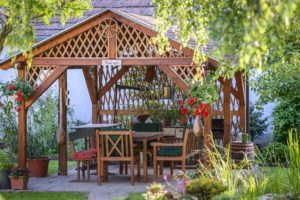 Before selecting materials or décor, it’s essential to define how you want to use your backyard. A well-designed small space prioritizes function, ensuring that every element serves a purpose.
Instead of trying to fit everything into a limited area, focus on one or two primary uses—such as outdoor dining, lounging, or gardening. This approach prevents overcrowding and creates a more cohesive layout.
Multi-functional features, such as built-in seating with hidden storage or foldable furniture, can further enhance usability without taking up additional space.
By clearly identifying your priorities, you create a strong foundation for all design decisions that follow.
Maximizing Vertical Space
When horizontal space is limited, vertical design becomes essential. Utilizing walls, fences, and even overhead structures allows you to expand your usable area without increasing your footprint.
Vertical gardens are an excellent solution for adding greenery without sacrificing ground space. Climbing plants, hanging planters, and wall-mounted garden systems can transform plain surfaces into lush, living features. In New Orleans’ climate, plants like ferns, jasmine, and philodendrons thrive in vertical arrangements.
Pergolas and trellises also add dimension while providing shade and structure. These elements help define the space visually, making it feel larger and more dynamic.
Creating the Illusion of Space
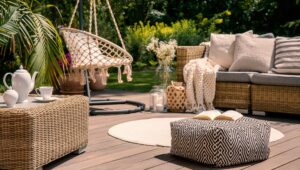 A small yard doesn’t have to feel cramped. Thoughtful design techniques can make your outdoor area appear larger and more open.
One effective strategy is to use consistent materials throughout the space. For example, extending the same paving or decking from your indoor area to the outdoors creates a seamless transition, visually expanding the environment. Light-colored surfaces and reflective materials, such as mirrors or glass accents, can also enhance brightness and depth.
Strategic placement of plants and furniture plays a critical role as well. Keeping sightlines open and avoiding bulky items helps maintain a sense of flow and openness.
Smart Landscaping for Compact Spaces
Landscaping in a small yard should focus on quality over quantity. Instead of overcrowding the area with numerous plant varieties, opt for a curated selection that complements your design.
Layering is a powerful technique that adds depth without clutter. By combining ground covers, mid-height plants, and taller elements, you create visual interest while maintaining balance. Native and climate-adapted plants are particularly beneficial in New Orleans, as they require less maintenance and are more resilient to local conditions.
Raised planters or built-in garden beds can define planting areas and keep the layout organized. These features also add structure, making the space feel intentional and well-designed.
Incorporating Water Features and Focal Points
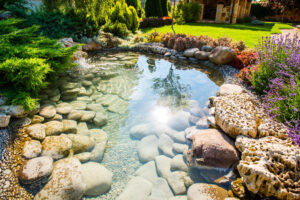 A well-placed focal point can elevate a small backyard and draw attention away from its size. In New Orleans, water features are especially popular due to their cooling effect and soothing ambiance.
Compact fountains or wall-mounted water features provide visual and auditory appeal without taking up significant space. These elements can serve as the centerpiece of your design, anchoring the layout and creating a sense of tranquility.
Lighting can further enhance focal points, highlighting key features and extending usability into the evening hours.
Outdoor Living in Limited Space
Creating a comfortable outdoor living area in a small yard requires careful selection of furniture and layout. Scale is critical—oversized pieces can overwhelm the space, while appropriately sized furniture maintains balance and functionality.
Choose streamlined, space-efficient designs that align with your overall aesthetic. Built-in benches or corner seating can maximize seating capacity without cluttering the area. Weather-resistant materials are essential in New Orleans’ humid climate, ensuring longevity and ease of maintenance.
Incorporating soft elements like cushions, rugs, and textiles adds warmth and personality, making the space feel like a true extension of your home.
Lighting for Ambiance and Functionality
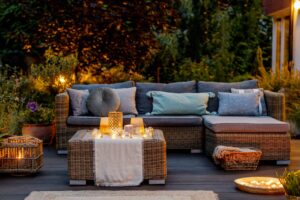 Lighting is often overlooked in small backyard design, yet it plays a crucial role in both aesthetics and usability. A well-lit space feels larger, safer, and more inviting.
Layered lighting works best in compact areas. Combining ambient, task, and accent lighting allows you to create depth and flexibility. String lights, wall sconces, and pathway lighting can be used together to enhance the overall atmosphere.
In New Orleans, where outdoor entertaining is a way of life, effective lighting ensures that your backyard remains functional and welcoming long after the sun sets.
Durable Materials for New Orleans Climate
Selecting the right materials is essential for maintaining your outdoor space in New Orleans’ challenging climate. High humidity, intense sun, and heavy rain require durable, weather-resistant options.
Materials such as treated wood, composite decking, and natural stone are excellent choices for longevity and performance. These materials not only withstand environmental conditions but also contribute to the overall aesthetic of your design.
Proper drainage is another critical consideration. Ensuring that your yard is designed to handle water efficiently helps prevent damage and prolongs the life of your outdoor features.
Personalizing Your Outdoor Space
A small backyard should reflect your personal style and lifestyle. Thoughtful details can make a significant impact, transforming a functional space into a unique retreat.
Incorporating local influences, such as New Orleans-inspired décor, colors, or architectural elements, adds character and authenticity. Whether it’s wrought iron accents, vibrant planters, or artistic touches, these details bring your outdoor space to life.
The goal is to create an environment that feels both comfortable and distinctive—a place where you can relax, entertain, and enjoy the outdoors.
Transform Your Small Yard with Big Ideas
A compact backyard doesn’t limit your possibilities—it challenges you to design with intention and creativity. By focusing on functionality, maximizing vertical space, and choosing the right materials, you can create an outdoor area that feels spacious, stylish, and highly functional.
At Big Easy Outdoor Design, we understand the nuances of designing for New Orleans homes. Our team is dedicated to helping you turn even the smallest yard into a stunning outdoor living space tailored to your needs. If you’re ready to elevate your backyard, contact Big Easy Outdoor Design today and let us bring your vision to life.
Frequently Asked Questions (FAQ)
What is the best layout for a small backyard in New Orleans?
The best layout focuses on one or two primary functions, such as dining or lounging, while maintaining open space. Multi-functional furniture and built-in features help maximize efficiency without overcrowding.
How can I make my small yard look bigger?
Using consistent materials, incorporating vertical elements, and maintaining clear sightlines can create the illusion of a larger space. Light colors and strategic lighting also enhance openness.
What plants work best for small New Orleans backyards?
Native and climate-adapted plants such as ferns, jasmine, and philodendrons thrive in New Orleans. These plants are resilient, low-maintenance, and well-suited for vertical and compact landscaping.
Are water features suitable for small spaces?
Yes, compact or wall-mounted water features are ideal for small yards. They add visual interest and a calming atmosphere without taking up valuable space.
How do I protect my outdoor design from New Orleans weather?
Choosing durable materials, ensuring proper drainage, and using weather-resistant furniture are essential steps. Regular maintenance also helps preserve your outdoor space over time.
Creating a sunroom is about maximizing natural light while maintaining energy efficiency and durability. Large picture or floor-to-ceiling windows enhance views, while double-pane or Low-E glass improves insulation. Frame materials like vinyl, aluminum, and wood offer different benefits, from low maintenance to classic appeal.
Casement or sliding windows enhance airflow, keeping the space comfortable. Big Easy Outdoor Design provides expert solutions to ensure a sunroom that remains inviting and functional year-round.
Why Choose a Sunroom?
The sunroom is an excellent place for relaxing, entertaining, and enjoying an indoor garden. It all blends in as part of the house with careful planning. A sunroom, properly planned and with appropriate material, becomes a favorite room for relaxation and daily work.
Expand Living Space
Sunbathing in a sunroom is very convenient for relaxation, entertainment, and indoor gardening. Clever planning makes all of it blend as a part of the home.
Multi-purpose furniture, like storage daybeds or collapsible dinner tables, uses every available square inch. Comforting: Window treatments, which can be shifted to permit cross ventilation year-round.
Enjoy Natural Light
Thousands of people could fit in the sunroom due to floor-to-ceiling windows with lots of natural light. Low-E or Argon gas-filled glass improves temperature control without blocking views. The SmartSun glass helps block UV light, preventing furniture and floor fades.
Increase Home Value
A good design helps improve the attraction of the sidewalk and increase the value of the property. Energy-efficient windows make the house more attractive to buyers of ecology. The combination of additional space, natural light, and flexibility makes the porch a combination feature when selling a house.
How to Choose the Best Windows for Your Sunroom
Selecting the ideal windows for your sunroom requires thinking about design, climate, and function. Proper choices enhance comfort and beauty, and the room becomes a pleasure in any season.
1. Determine Sunroom Layout and Window Placement
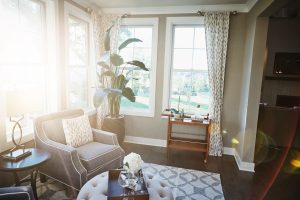 Placing windows strategically enhances natural light and showcases outdoor views. Taller windows highlight garden scenery, while smaller windows above seating maintain daylight without sacrificing privacy. Thoughtful furniture arrangement ensures an open, balanced feel.
2. Explore Window Style Options
Every style of window has a specific purpose. Casement windows are excellent for ventilation, but fixed windows provide unobstructed views. Double-hung windows facilitate cross-ventilation and hence are appropriate for tropical weather. Proper selection relies on the ventilation requirement, budget, and interior look.
3. Prioritize Energy Efficiency Features
Energy-efficient windows keep one warm and cozy and save on heating and cooling bills. Double-pane and triple-pane glass insulates, and Low-E coatings reflect heat but pass light. SmartSun glass blocks an additional 95% of UV rays, further increasing efficiency.
4. Compare Window Frame Materials
Each window frame material offers distinct advantages:
- Wood Frames: Timeless and insulating, but need constant upkeep.
- Vinyl Frames: Low-cost, low-maintenance, and energy-efficient.
- Aluminum Frames: Strong and rust-proof, the best for use in humid regions.
- Fiberglass Frames: Durable, energy-saving, and long-lasting.
Window Styles for Sunrooms
Window styles influence a sunroom’s look and function. Sliding and picture windows maximize light, while casement and awning windows enhance airflow. Bay, bow, and double-hung options add character and versatility.
Sliding Windows: Space-Saving Design
Sliding windows glide from side to side, conserving space without sacrificing style. They are well-suited to tiny sunrooms and areas where furniture can intrude on classic window openings.
Picture Windows: Maximize Views
Fixed picture windows encapsulate outside views while introducing lots of natural light. Coupled with Low-E glass, it preserves indoor comfort while minimizing exposure to UV light.
Casement Windows: Optimal Ventilation
Pivoted on the side and opened with a crank, casement windows provide excellent airflow. They also create a tight seal when closed, improving energy efficiency.
Awning Windows: Weather Protection
Top-hinged awning windows allow ventilation even during rain, making them ideal for upper walls where privacy is a concern.
Bay and Bow Windows: Architectural Interest
Extending outward, these windows create depth and visual appeal. They work well for reading nooks or indoor plant displays, adding charm to the sunroom.
Double-Hung Windows: Classic Style
With openable top and bottom sashes, double-hung windows allow flexibility and ease of cleaning. Paired with Low-E glass, they make windows both beautiful and energy efficient.
Energy Efficiency Considerations
Energy-efficient windows discourage heat loss and enhance comfort. Adequate insulation and wise use of materials achieve energy savings as well as sustainability in a dwelling.
Understand U-Factor and SHGC
- U-Factor: Insulation tests. Smaller numbers are more energy efficient.
- Solar Heat Gain Coefficient (SHGC): How much heat is transferred via the glass? Lower values are preferable for warm climates, and higher ratings do best in colder climates.
Select Energy-Efficient Glass
Low-E coatings reduce glare and shield furnishings while reflecting heat and blocking dangerous UV rays. Luxury homes have windows filled with argon gas for improved insulation, so triple-pane windows are an energy-efficient option.
Consider Window Orientation
Natural light and heat are accessed through south windows, while natural light from north windows decreases glare and distraction. The positioning of the house is such that it offers the best temperature regulation and plenty of natural light during the entire year.
Frame Materials Comparison
Selecting the appropriate frame material accommodates form, function, and durability. Each has its advantages and care requirements, so take into account your fashion sense and climate.
Window Frame Materials Comparison
Choosing the right window frame impacts durability as well as aesthetics. All materials possess unique benefits and maintenance needs, so consider your climate and style.
Vinyl: Affordable & Low-Maintenance
Vinyl frames are energy-efficient, weather-resistant, and inexpensive. They are lightweight and flexible with a fashionable appearance at a reduced price. Triple-pane glass offers additional insulation.
Wood: Classic & Insulating
Wood frames offer warmth, insulation, and a timeless style. Pine, cedar, and mahogany add character while others require maintenance.
Aluminum: Strong and Durable
The aluminum frames are corrosion-proof, can fit big glass panels, and suit climates with humidity. Although they are strong, light, and easy to clean up after, they provide less insulation than wood.
Fiberglass: Energy-Efficient & Sturdy
Fiberglass frames do not warp, can withstand severe weather, and contain energy-efficient glass, and they offer strength, durability, and a modern look.
Additional Considerations
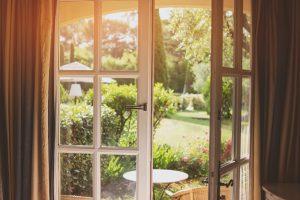 In addition to functionality, the correct decisions add comfort, efficiency, and style, making a sunroom look good and functional for years.
Window Treatments for Sunrooms
Managing light and privacy is essential. Options include:
- Cellular shades: Improve insulation.
- UV-blocking films: Protect against fading.
- Motorized shades: Provide effortless light control.
UV Protection
Extended sun exposure can lead to the fading of floors and furniture. Utilizing Low-E glass, SmartSun glass, or window films that block UV reduces damage while preserving luminous and warm spaces.
Aesthetic Appeal
Windows must match the architectural style of the house. Whether using modern floor-to-ceiling glass or traditional appearances, the best selections bring beauty and functionality.
Professional Installation
Appropriate installation is fundamental for energy savings and durability. When hired, experienced professionals guarantee safe seals and avoid loss of heat.
Bringing Your Sunroom Vision to Life
Choosing the right windows means finding the ideal balance of style, efficiency, and durability. A well-designed sunroom not only enhances your home’s charm but also creates a bright, comfortable space to enjoy year-round.
Let us help bring your vision to life! At Big Easy Outdoor Design, we provide expert guidance and tailored solutions to match your style and budget. Reach out today to start creating a sunroom that blends beauty, comfort, and lasting value.
A sunroom expands living space while bringing in natural light, making it a cozy retreat or an inviting area for guests. Beyond aesthetics, it increases property value, reduces reliance on artificial lighting, and connects indoor and outdoor spaces without exposure to harsh weather.
Big Easy Outdoor Design specializes in crafting beautiful sunrooms that enhance homes with functional, light-filled spaces.
What is a Sunroom?
A sunroom is a bright, open space with wide windows or glass-paneled walls that bring the outdoors within. These rooms can be used as family areas, home offices, or guest rooms, and they are both functional and attractive.
Sunrooms come in various designs:
- Three-season rooms: Ideal for spring, summer, and fall, providing an airy escape during milder months.
- Four-season rooms: Built with insulated glass and thermally engineered frames for year-round comfort.
- Solariums: Featuring full glass enclosures for panoramic outdoor views.
- Screen rooms: Providing open-air relaxation while keeping bugs out.
More than a stylish addition, sunrooms enhance property appeal and can sometimes boost home value up to 30% for every additional 1,000 square feet.
The Benefits of Adding a Sunroom
A sunroom offers practical advantages beyond its beauty. Homeowners gain a functional, adaptable space while boosting home value.
1. Expand Living Space Affordably
 A sunroom is an efficient square footage add-on without the heavy work of a home addition. A sunroom can serve as a den for the family, a guest room, or a home office. A sunroom requires fewer materials and less work than traditional room additions and is, therefore, a cost-saving addition.
2. Increase Natural Light Exposure
With windows from floor to ceiling, sunrooms bring sunshine into interior spaces, reducing the necessity of artificial lighting. Additional sunlight increases feelings of happiness and energy, making areas more inviting. The additional light also helps indoor plants, and the home becomes more vibrant.
3. Boost Home’s Market Value
Properties with sunrooms fetch higher prices in the market. Sunroom can add at least 30% to the sale price of a home for each 1,000 square feet. Buyers love both the functionality and aesthetics of a sunroom.
4. Provide a Relaxing Environment
The sunroom is a peaceful haven for relaxation, reading, or meditation. Furniture, plants, and ornaments carefully placed contribute to its ambiance, and it appears to be the ultimate haven from daily commotion.
Sunroom Design and Functionality
A properly designed sunroom balances comfort, elegance, and functionality together. Each element, whether material or appearance, lends support to its use.
Optimizing Comfort and Style
Furniture needs to support both utility and lounging. Durable seating, padded cushions, and modular shelving optimize storage space. Modulate lighting, like dimmable LED bulbs or reading lamps, grades the space between day and evening. Innovative storage solutions enable an organized appearance with ease of cleanliness.
Adapting to Regional Climate
Climate influences sunroom design. Four-season sunrooms with insulated glass and energy-efficient frames work well in colder regions. In hot and humid regions such as New Orleans, passive ventilation and reflective glass ensure comfort. Vinyl-clad aluminum, being a hard-wearing material, can resist weather fluctuations while still needing less maintenance.
Innovative Materials and Smart Technology
Modern sunrooms utilize energy-efficient materials such as low-emissivity glass to manage temperature. Intelligent features like zonal heating and auto-shades raise comfort levels. The transition between the internal and outdoor spaces is smooth thanks to retractable screens and sliding glass walls.
Sunroom’s Impact on Property Value
A sunroom adds appeal and long-term value to a house. Purchasers see these rooms as a valuable commodity, and homes become more distinctive in tight markets.
Assess the ROI of the Sunroom Addition
A sunroom addition will return an average of 70% investment, with construction quality, location, and the market trend determining resale value. In states where outdoor living is the trend, such as California and Florida, returns are more likely to be higher. It can cost from $15,000 for a small sunroom to $45,000 for a large sunroom, and the value will reflect the 70% ROI figure.
Enhancing Resale Potential
Sunrooms appeal to buyers seeking flexible spaces. Elements such as UV-resistant windows and a smooth transition between indoor and outdoor areas make them more desirable. Properties with high-quality sunrooms often receive multiple offers and sell at higher prices.
Maintaining a Sunroom for Longevity
For its upkeep to be perpetually clean, operational, and cozy every time of the year, a sunroom should be taken care of every day. Its periodic cleansing, sealing, and protection against damaging ultraviolet radiation will keep it long.
Essential Maintenance Tasks
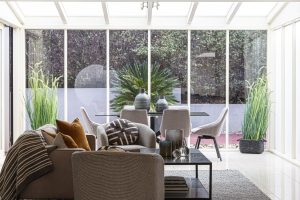 Daily maintenance keeps windows free of dirt, maintaining clarity. Soothing cleaning agents guard glass surfaces against scratches. Checking seals and frames helps avoid air leaks and water entry, keeping them energy efficient. Furniture protection with UV-resistant treatments helps prevent fading over time.
Seasonal Considerations
In colder months, sealing and insulation checks help conserve energy. During warmer seasons, strategic ventilation and sun-blocking solutions maintain comfort.
Homeowner Experiences
Actual homeowners tell of how their sunrooms changed their lives. From warm winter havens to lively areas for entertaining, these additions enrich both daily life and long-term use.
Lessons from Sunroom Owners
Experienced homeowners emphasize the importance of selecting high-quality materials and skilled contractors. Many highlight the versatility of sunrooms, from hosting family brunches to serving as serene reading nooks. Some report unexpected returns on investment, with their sunrooms becoming major selling points when listing their homes.
Sunroom Costs and Investment Considerations
The cost of sunrooms ranges from $15,000 to $50,000 based on their size, material used, and placement, with high-end ones being pricier. Four-track vinyl rooms are accessible at $10,000 to $25,000, and traditional glass sunrooms can range from $30,000 to $70,000, with luxury sunrooms ranging from $60,000. It will cost more to buy energy-efficient ones, but the ultimate savings on utilities will be beneficial. Home equity loans can be a source of funding costs.
Is a Sunroom a Good Investment?
A sunroom adds comfort and value, with an average 70% return at resale. In states like Florida and California, returns can be even higher. Quality materials and design ensure lasting benefits.
At Big Easy Outdoor Design, we craft sunrooms that enhance homes and lifestyles. Let’s create a space you’ll love—contact us today!
2025 sunroom design trends emphasize a smooth integration of indoor comfort with outdoor tranquility. Homeowners are gravitating toward energy-saving windows, wood and stone, and biophilic features to maximize exposure to nature. Practical layouts, intelligent climate management, and comfortable furniture are redefining sunrooms as full-year retreats. Sustainability, practicality, and style define these evolving spaces, making them more welcoming and versatile.
Big Easy Outdoor Design explores the latest trends shaping sunrooms in 2025, ensuring they are beautiful and functional.
What Defines a Sunroom?
A solarium or conservatory is an alternative name for a sunroom. It’s glassed in to bring natural light and open the world outside. It’s a flexible space ideal for morning coffee, reading, snuggling, or even going out on the town. If done correctly, a sunroom can be converted into a warm lounge or an elegant entertaining space.
Natural colors, including earthy greens and warm browns, help create a serene environment. The windows are also large and let in plenty of sunlight.
Factors Influencing Sunroom Trends in 2025
Sustainability, lifestyle changes, and technology are all important factors that influence sunroom trends. Households desire areas that are greener, more efficient, and customized.
Sustainability and Climate Considerations
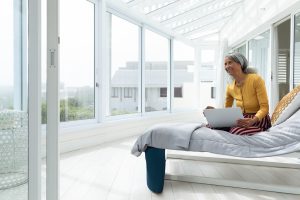 To save energy, owners select materials such as energy-saving glass, recovered wood, and natural ventilation. Strategic positioning windows to maximize air circulation and adjust the temperature to avoid, and cool the artificial cooling are not necessary. Native landscaping around sunrooms increases biodiversity and requires less maintenance.
Remote Work Influence
With remote work now a standard, sunrooms are doubling as home offices. Ergonomic chairs, plenty of natural light, and smart technology integration make the spaces conducive for both work and leisure. Such amenities as soundproofing, extra outlets, and high-speed Wi-Fi cater to contemporary work demands.
Wellness-Oriented Designs
Sunrooms in 2025 are all about wellness through well-designed spaces. Soothing color palettes, natural materials, and open floor plans promote relaxation and consciousness. The incorporation of plants not only cleanses the air but also contributes to the atmosphere, reinforcing the feeling of nature.
Smart Technology Integration
Automation is a significant aspect of modern sunrooms. Smart thermostats, motorized blinds, and voice-operated lighting systems are convenient and energy-efficient. Built-in sound systems and climate control features ensure a comfortable environment year-round.
2025’s Must-Have Sunroom Design Trends
Homeowners want sunrooms that blend style, function, and sustainability. These top trends are shaping the future of sunroom design:
Maximizing Natural Light
In high-performance glass, bright wells and large windows invite natural light while keeping heat under control. Light color decoration, surface reflective brightness, and openness. Adjust the window treatment that provide privacy without having to sacrifice vision.
Embrace Biophilic Design
Natural materials such as wood and stone, as well as the characteristics of trees and water, create an internal connection without seams. Biological furniture improves this flow, which means that the space feels easy to suit nature.
Smart Technology Enhancements
Smart climate control, remote lighting, and energy-saving equipment make the porch more comfortable and practical. Automatic window treatment helps manage sunlight while adding a little luxury.
Energy Efficiency
Better insulation, efficient windows, and solar panels help reduce energy costs and environmental impact. A durable floor like bamboo or wood increases sustainability and style.
Sunroom Styles to Inspire You
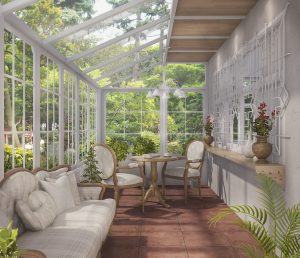 From minimalist chic to country character, 2025 sunroom design styles have something for all homeowners. These styles combine beauty and functionality, creating a personalized retreat:
Minimalist Sunrooms
Clean lines, neutral tones, and uncluttered areas contribute to a relaxing, open atmosphere that makes use of natural light.
Coastal Retreats
Soft hues, organic textures, and coastal-inspired features help to create a peaceful, breezy atmosphere.
Rustic Elegance
Rich wood tones, stone, and vintage furnishings create a comfortable, earthy atmosphere.
Farmhouse Chic
The combination of modern and antique furniture, shiplap, and barn doors creates a warm, timeless atmosphere.
Eclectic Spaces
Rich materials, vibrant colors, and well-chosen old objects allow creative self-expression.
Mid-Century Modern
Smooth furniture, abstract shapes, and the combination of wood and metal features create a fashionable and practical look.
Beyond Relaxation: Sunroom Functionality
Sunrooms in 2025 go beyond relaxation; they serve as versatile extensions of the home, offering multiple functions:
Dedicated Home Office Spaces
Ergonomic furniture, lighting that minimizes glare, and sound insulation create ideal environments for productive workspaces in sunrooms.
Elegant Dining Areas
Skewed designs, elegant tableware, and cozy seating bring about memorable dining experiences filled with nature’s beauty.
Cozy Reading Nooks
Soft textiles, warm lighting, and well-placed bookshelves create a cozy reading retreat in any sunroom.
Play Spaces for Kids
Colorful furniture, organized toy storage, and open layouts encourage creativity while keeping the area neat and functional.
Art Studios & Indoor Gardens
Light, tidy storage, and inventive decor make sunrooms ideal for the creative arts. Sunroom gardening retreats with integrated planters and abundant sunlight exposure offer a peaceful, nature-filled retreat.
Essential Sunroom Features
Combining comfort with function, the sunroom is meticulously planned. The addition of thoughtfully designed lighting, seating areas, and storage enhances its functionality and charm.
Statement Lighting Solutions
Pendant lights, chandeliers, and LED strips provide functionality and visual interest, supporting natural light sources.
Unique Ceiling Designs
Skylights, exposed beams, and textured ceilings create an enhanced atmosphere and maximize natural lighting.
Comfortable Seating and Storage
Built-in window seats with storage drawers add both comfort and convenience. Multi-functional furniture pieces like storage ottomans maintain an organized space.
Fireplace Focal Points
Stone or timber fireplaces create a cozy gathering space, making sunrooms enjoyable year-round.
Accent Walls for Personality
Bold wallpapers, wood paneling with texture, or painted accent walls create visual interest and make the space personal.
Bringing 2025’s Sunroom Trends to Life
Using sunroom design ideas in 2025, you can create a new, useful inside hiding place connected to a large space. Owners can create a calm reserve bathed in the sun while combining smart and environmentally friendly solutions.
- Assess their needs: Decide on the main purpose of the sunroom and design accordingly.
- Pick a design: Choose ‘A look that fits with the style of the house and my taste.
- Choose durable and eco-friendly materials: Invest in environmentally friendly materials.
- Invest in energy-efficient solutions such as efficient windows, intelligent climate control, and renewable power.
- Make the most of the space with strategically placed furniture and defined areas for relaxation, work, or play.
- Choose stylish yet practical furnishings: Add cozy chairs and adaptable lighting, and adorn the sunroom with decorative touches.
2025 Sunroom Trends: Blending Nature, Comfort, and Smart Design
Let’s bring your dream sunroom to life with the ideal balance of style, comfort, and sustainability. At Big Easy Outdoor Design, we take care of every detail, creating a space that feels like an extension of nature while meeting your unique needs. Reach out to us today, and let’s craft a sunroom you’ll love for years.